How to use dinotefuran-containing household insecticide spray against aphids?
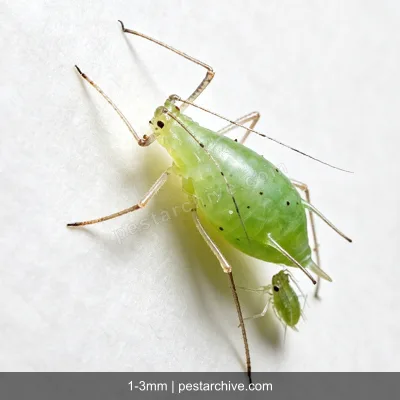
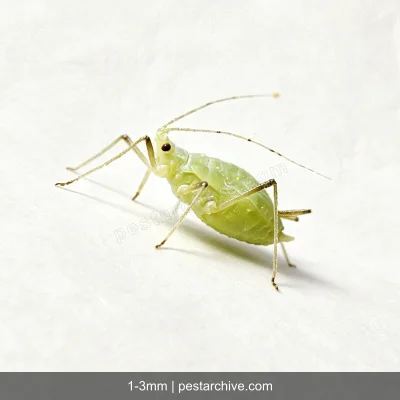
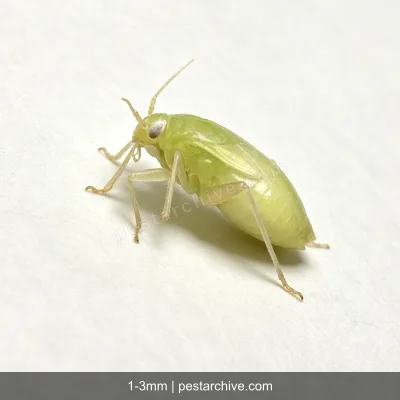
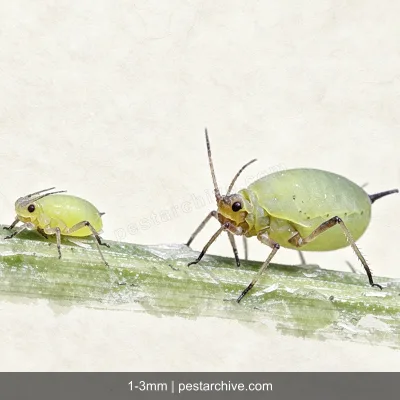
How to use dinotefuran-containing household insecticide spray against aphids? Dinotefuran spray is highly effective against aphids. Proper use can quickly control outbreaks.
Spray locations (most critical)
- Leaf undersides — aphids prefer hiding on undersides; always lift leaves and spray the undersides.
- Tender shoots and terminal buds — where aphids are most concentrated; spray thoroughly.
- Flower buds and pedicels — aphids on flowers must also be sprayed.
- Curled leaves — unfold curled leaves and spray inside.
Spraying technique
- Hold nozzle 30-40 cm from leaves.
- Spray from below upward to ensure leaf undersides are covered.
- Spray extra where aphids are dense to ensure thorough wetting.
- Don't miss the older leaves at the bottom of the plant — aphids may be there too.
Application frequency
- Recheck 5-7 days after the first spray.
- If any aphids remain, spot-spray again.
- 2-3 consecutive treatments can basically bring aphids under control.
- For severe outbreaks, spray every 5 days, 2-3 times consecutively.
Rotate spraying locations
- Don't always spray the same spot.
- Rotate between different locations to ensure full coverage.
- Newly grown tender leaves should also be protected promptly.
Precautions
- Systemic principle: dinotefuran is absorbed by the plant after leaf application; aphids feeding on the sap are poisoned. Even areas not directly sprayed (such as newly grown leaves) are protected for 7-14 days.
- For vegetables, wait the recommended pre-harvest interval before harvesting.
- Do not spray during flowering to avoid affecting pollination.
- Wear gloves and a mask when spraying.
- Store in a cool, dry place.
- Protect natural enemies (ladybugs, lacewings); minimize use of broad-spectrum insecticides.