How to effectively eliminate aphids?
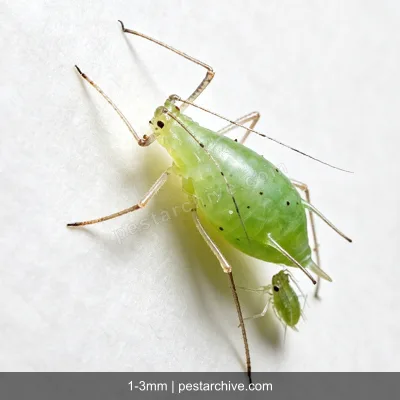
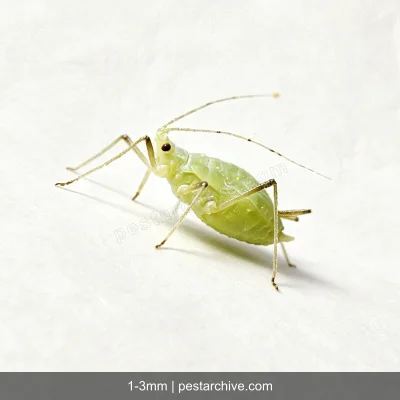
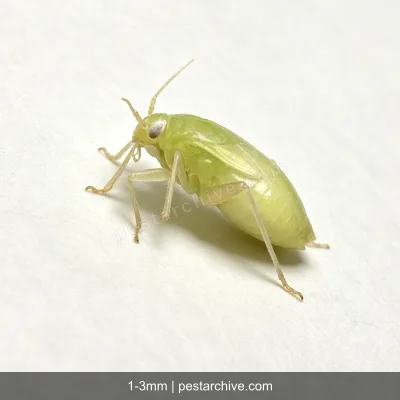
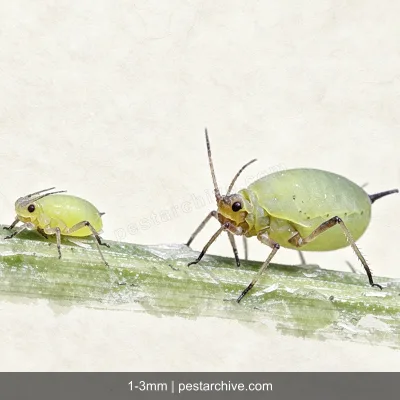
How to effectively eliminate aphids?
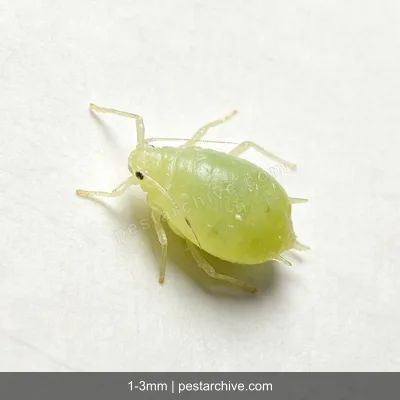
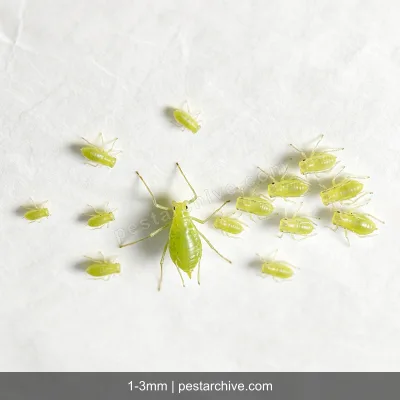
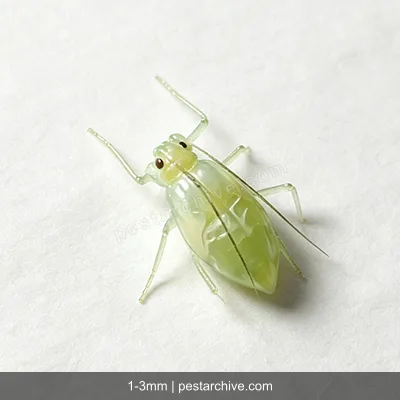
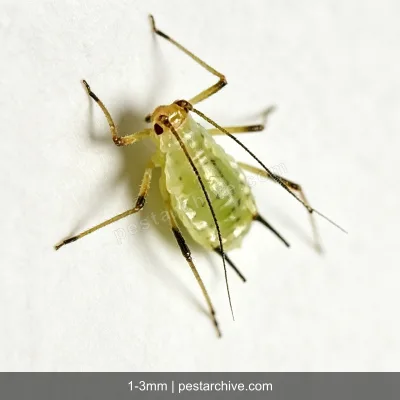
Aphids reproduce extremely quickly. Immediate action is required upon detection — even a few days' delay can double their numbers.
Physical methods (for small numbers)
- Hand wiping — wipe aphids off with fingers or a damp cloth, simple and direct.
- Prune infested branches — cut off young branches with heavy aphid concentrations and seal for disposal.
- High-pressure water spray — spray water at aphid clusters with a spray bottle to wash them off.
- Sticky tape — use sticky insect tape to remove aphids.
Chemical methods (dinotefuran spray)
- When aphids occur in large numbers, spray with dinotefuran-containing household insecticide.
- Focus on leaf undersides and tender shoots — where aphids prefer to gather.
- Also spray flower buds and pedicels.
- For curled leaves, open them up and spray inside.
- Systemic principle: dinotefuran is absorbed by the plant; aphids feeding on the sap are poisoned. Even new leaves not directly sprayed are protected for about 7-14 days.
- If ants are active on the plants, treat the ants simultaneously, otherwise they will bring aphids back.
Spraying technique
- Hold nozzle 30-40 cm from leaves.
- Spray from below upward to ensure coverage of leaf undersides.
- Spray extra where aphids are dense to ensure thorough wetting.
- Recheck after 5-7 days and spot-spray any missed areas.
Biological control with natural enemies
- Ladybugs — both adults and larvae eat aphids; one ladybug can eat dozens of aphids per day.
- Green lacewings — lacewing larvae are also aphid predators, known as "aphid lions."
- Hoverflies — larvae specialize in eating aphids.
- If you see these beneficial insects, preserve them and minimize use of broad-spectrum insecticides.