Natural Aphid Control: Soap, Neem Oil, and Beneficial Insects
Do Aphids Fly?
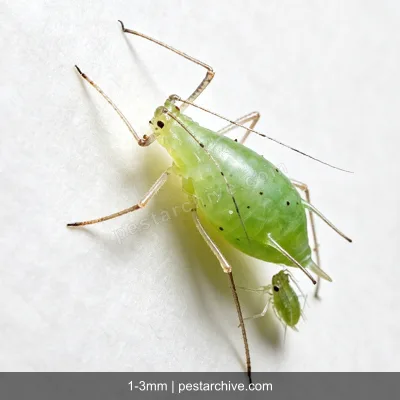
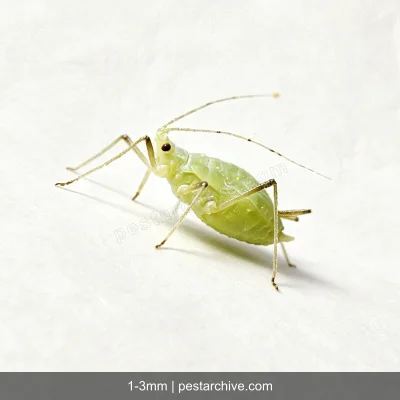
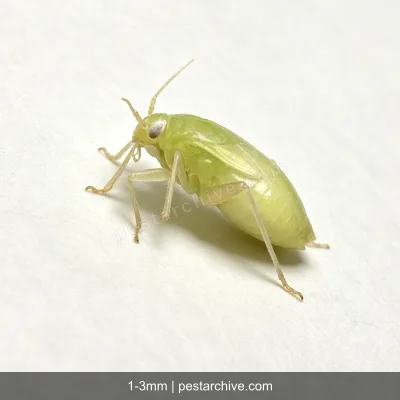
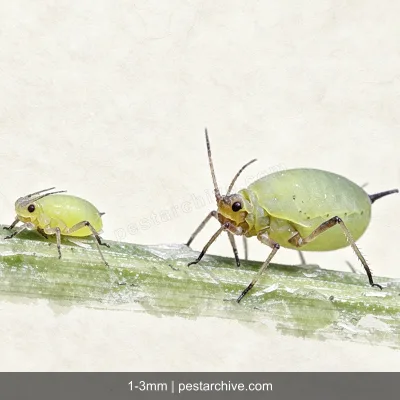
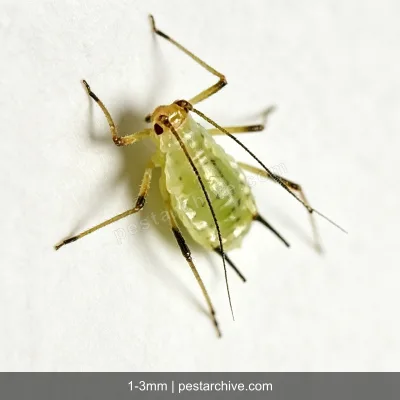
An aphid's ability to fly depends on its form — some aphids can't fly, others can.
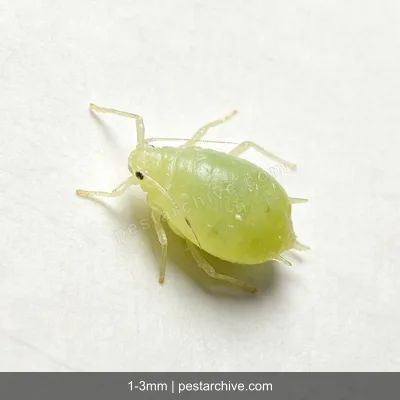
Wingless Aphids (Can't Fly)
- Most aphids clustered on leaves are wingless
- They have no wings and can't fly
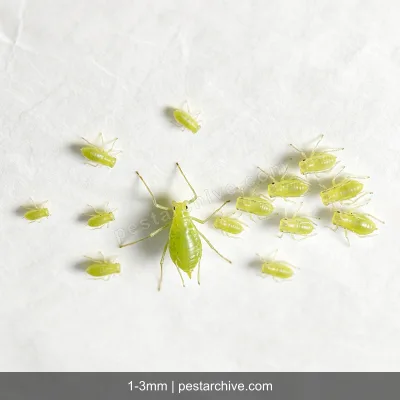
- They spend their entire lives on a single plant, constantly reproducing
- This is why aphids are always packed tightly together
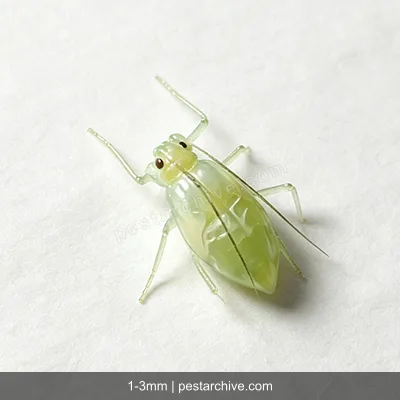
Winged Aphids (Can Fly)
- When aphid numbers get too high or environmental conditions deteriorate, winged aphids are produced
- Winged aphids have two pairs of transparent wings and can fly to other plants
- After landing on a new plant, they start a new aphid colony
- This is the main way aphids spread and disperse
- Winged aphids themselves are weak fliers and primarily rely on wind for passive dispersal. They can travel several kilometers downwind. Winged aphids are most active in the morning and evening when winds are lighter — this is also why aphids can suddenly appear on rooftop balconies
What Triggers Winged Aphid Production?
- Overcrowding — Too many aphids packed on the leaves
- Plant decline — The plant has been drained of too much sap and can't support the colony
- Increased natural enemies — Sensing pressure from predators
- Seasonal change — Preparing for overwintering in autumn
What This Means for Control
- If you find aphids on one plant, check neighboring plants too
- Winged aphids can fly to and spread to other plants
- Don't crowd balcony plants too tightly
- Isolate newly purchased plants and observe them first
- Deal with even a few aphids promptly to prevent winged aphids from being produced and dispersing