How to Prevent Aphids from Coming Back
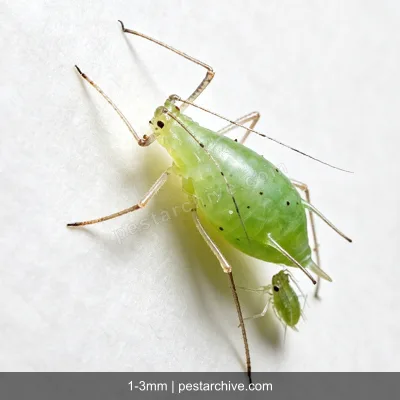
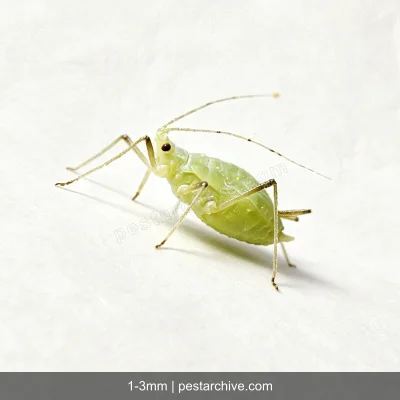
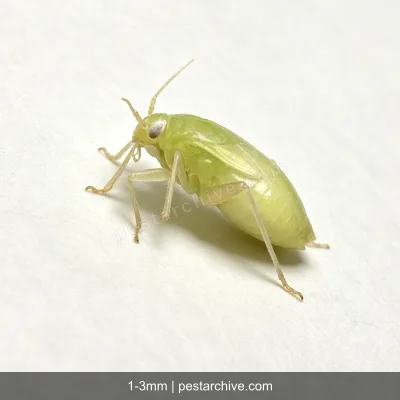
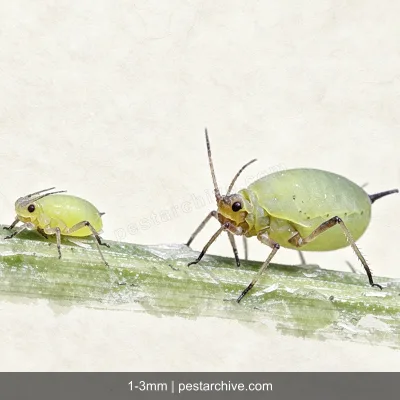
What Damage Do Aphids Cause?
Although aphids are tiny, the damage they cause to plants is comprehensive — from direct sap-sucking to indirect virus transmission.
Direct Damage
- Sap feeding — Aphids insert their piercing-sucking mouthparts into plant tissue and drain large amounts of nutrients
- Leaf curling — Affected young leaves curl, wrinkle, and become distorted
- Stunted growth — In severe cases, plant growth stalls and plants become dwarfed
- Shoot dieback — Tender buds and terminal shoots may die after infestation
- Premature leaf drop — Older leaves turn yellow and drop early
Honeydew and Sooty Mold
- Aphids excrete large amounts of honeydew (sugar-rich waste) while feeding
- Honeydew drips onto leaves and the ground, making everything sticky
- Sooty mold fungi readily grow on honeydew, forming a black mold layer
- Leaves covered in black mold can't photosynthesize
- In severe sooty mold cases, the entire plant turns black
Plant Virus Transmission (Most Serious Indirect Damage)
- Aphids transmit dozens of plant viruses, such as Cucumber mosaic virus and Potato virus Y
- After feeding on an infected plant, aphids carry virus particles on their mouthparts
- When they fly to a healthy plant and feed, they inject the virus into the plant
- Once a plant is infected with a virus, there is essentially no cure
- This is the most frustrating type of aphid damage
- Aphid virus transmission is extremely fast: an aphid only needs to feed on an infected plant for a few seconds to acquire the virus, then fly to a healthy plant and make a brief probing puncture to transmit it. Winged aphids flying between plants have the highest transmission efficiency. Insecticides can kill aphids but cannot do anything about viruses already transmitted
Ant Attraction
Aphid honeydew is a delicacy for ants. Ants will protect aphids and drive away their natural enemies