How to treat sweet potatoes after harvest to prevent pests?
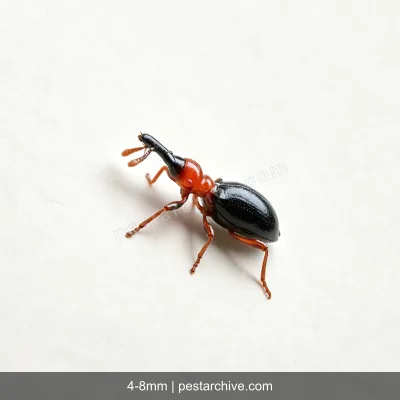
How to treat sweet potatoes after harvest to prevent pests?
Post-harvest treatment directly affects whether pests will develop during storage. Following these steps can significantly reduce sweet potato weevil damage:
Step 1: Careful harvesting to minimize damage
- Dig gently to avoid cutting or bruising tubers.
- Damaged tubers attract adult weevils for egg-laying and are prone to rot.
- Choose sunny days for harvesting; avoid digging on rainy days.
Step 2: Drying
- Place harvested sweet potatoes in a well-ventilated, shaded area for 2-3 days.
- Allow surface moisture to evaporate, wounds to heal, and a protective dry skin to form.
- Avoid direct sunlight, which can cause cracking.
- Turn them 1-2 times during drying to ensure all sides are exposed.
Step 3: Strict sorting
- Remove tubers with insect holes, wounds, or cracks.
- Remove any tubers that are already rotting or soft.
- Grade by size for easier management and handling.
- Tubers with suspicious holes should be stored separately for observation.
Step 4: Environmental disinfection
- Clean the storage room thoroughly in advance.
- Apply food-grade diatomaceous earth to the floor and corners for environmental treatment.
- Wait for the powder to dry completely before stacking tubers.
- Install screens on storage room windows and doors to prevent adult weevils from flying in.
Step 5: Proper storage
- Maintain temperature at 12-15°C and humidity at 80-90%.
- Layered storage with dry sand is most effective.
- Do not wash with water; do not seal in plastic bags.
- Inspect every 7-10 days; remove infested tubers promptly.