Dark Brown Bugs in Sweet Potatoes: What Are They?
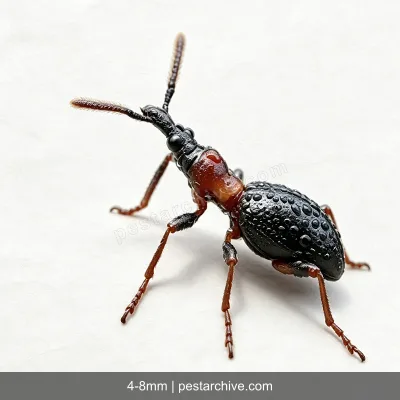
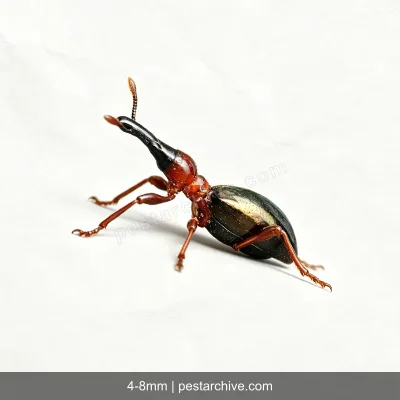
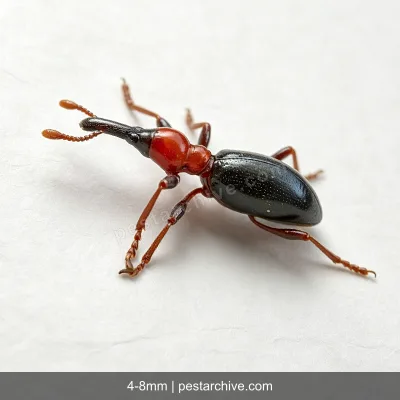
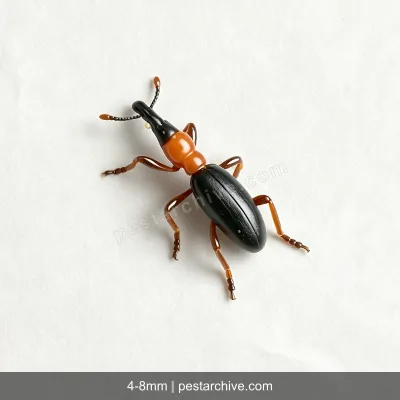
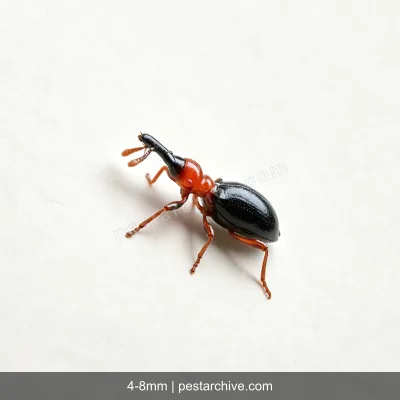
What Are the Blackish-Brown Bugs Inside My Sweet Potatoes?
If you cut open a sweet potato and find something blackish-brown inside, it's usually sweet potato weevil larvae or pupae, along with the tuber flesh deterioration they cause.
What Exactly Is Inside?
- White larvae — Sweet potato weevil larvae are milky white, legless, with a pale brown head, and the body is curled into a C-shape. The larvae burrow into the tuber flesh to feed, excavating winding tunnels inside.
- Brownish pupae — After the larva matures, it pupates inside the tuber. The pupa is yellowish-brown and resembles the adult but with undeveloped wings.
- Blackish-brown flesh — Tuber flesh fed on by larvae gradually turns blackish-brown. This happens because:
- Insect excrement and secretions contaminate the flesh
- The wounded tuber undergoes oxidation reactions, producing quinone compounds
- Secondary fungal or bacterial infection may accelerate browning
Can You Eat It?
Sweet potatoes damaged by weevils will:
- Turn bitter — bitter compounds from insect secretions and chemical reactions in the tuber seep into the flesh
- Develop a foul odor — severely infested tubers have a distinctive unpleasant smell
- Lose nutrition — the flesh is either eaten away or browned, destroying its nutritional value
Even if you cut away the blackened, foul-tasting parts and the surrounding area, it's not recommended to eat the rest. Bitter compounds and potential pathogens may have already spread into adjacent tissue. It's better to discard the entire tuber rather than risk your health to save a few cents.
How to Avoid This?
- When buying, carefully inspect tuber surfaces for pinhole-sized black dots (egg-laying holes)
- During storage, check regularly. Remove any tubers showing signs of infestation immediately
- Cut tubers open to inspect before cooking. If you find black tunnels or insects inside, discard the entire tuber