How to Choose Bug-Free Seed Potatoes?
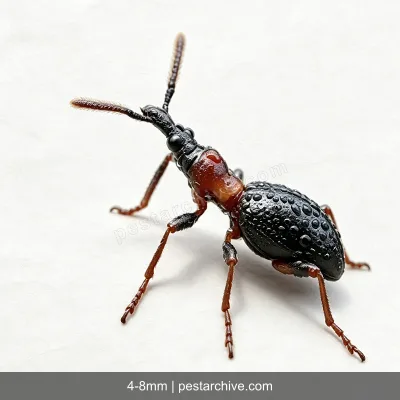
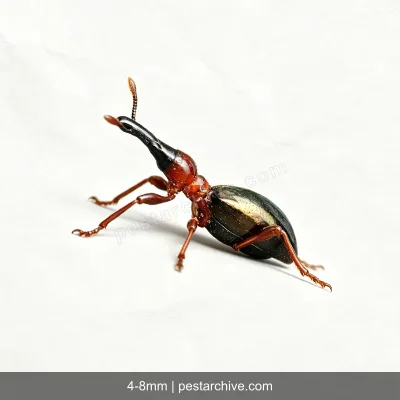
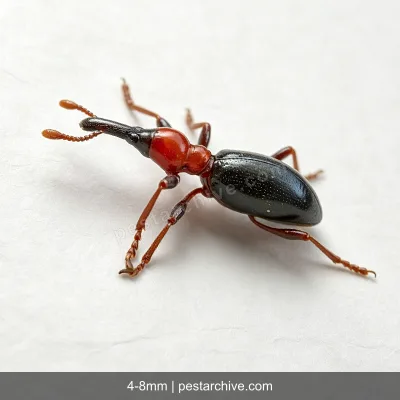
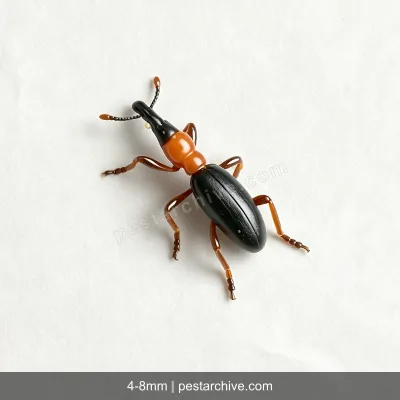
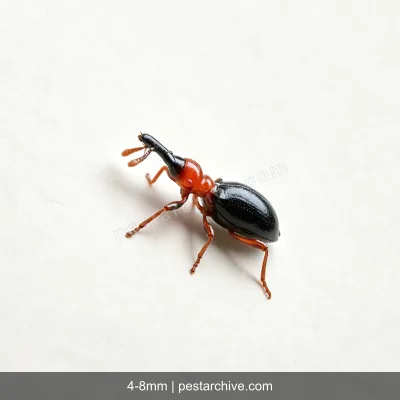
How to Select Pest-Free Seed Tubers?
Selecting healthy, pest-free seed tubers is the first and most important step in preventing sweet potato weevils. If the seed tubers themselves carry pests, no amount of later prevention will help.
The Five-Step Selection Method
Step 1: Check the Skin
- Good: Smooth skin, uniform color, no wounds
- Problematic: Black spots, dents, cracks, or scars on the skin
- Pay special attention to pinhole-sized black dots — these are very likely sweet potato weevil egg-laying holes. Larvae have already burrowed inside.
Step 2: Inspect for Holes
- Carefully examine both ends of the tuber and any areas that might be damaged
- Tiny round holes (about 1 mm) could be larval entry holes or adult emergence holes
- If the area around a small hole is blackish-brown, that's an even stronger warning sign
Step 3: Squeeze for Firmness
- Good: Firm and springy when squeezed
- Problematic: Soft or hollow-feeling when squeezed
- If one area is noticeably softer than the rest, the inside may already be hollowed out by larvae
Step 4: Weigh in Your Hand
- Hold tubers of similar size and compare their weight
- Hollowed-out tubers will be noticeably lighter than healthy ones of the same size
- This method is especially practical when selecting large quantities — one quick heft and you can screen them out
Step 5: Check Both Ends
- Sweet potato weevils most often enter through the root end and the tip
- Inspect these two areas with extra care
After Purchase
- Even with careful selection, you can't guarantee 100% pest-free. After purchase, let tubers air out in a ventilated spot for 2-3 days and observe
- For extra insurance, soak seed tubers in warm water at 46-48°C (115-118°F) for 20 minutes (warm water seed treatment) to kill any eggs that may be hiding
- After treatment, store or plant. This greatly reduces the likelihood of sweet potato weevil outbreaks