What damage do sweet potato weevils cause?
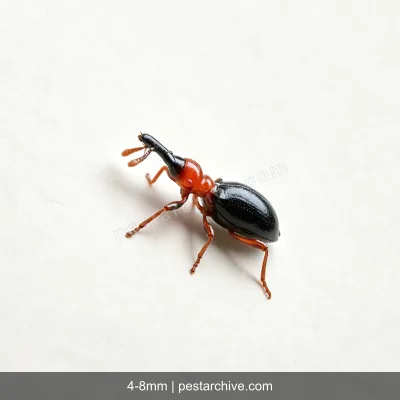
What damage do sweet potato weevils cause?
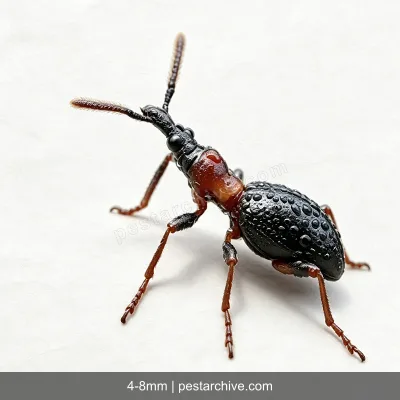
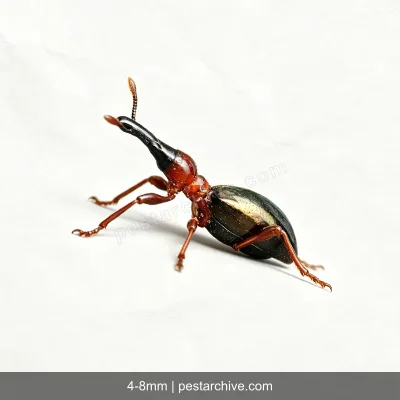
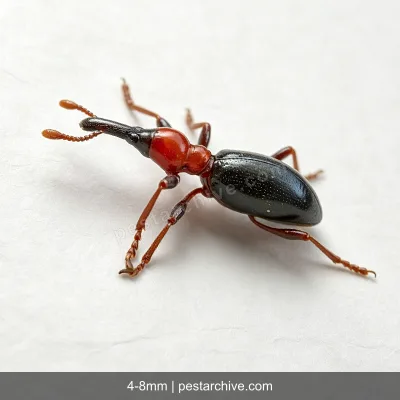
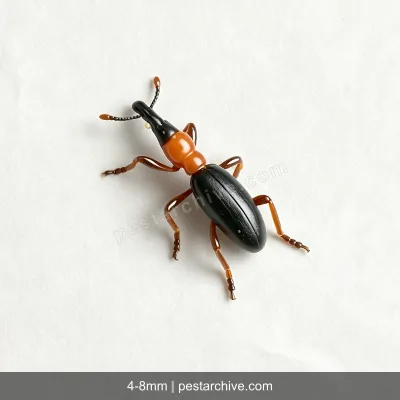
Sweet potato weevils are the most important pests of sweet potatoes, with damage occurring throughout the entire process from field growth to storage:
- Direct boring into tubers
Larvae bore into the tuber, feeding and excreting as they go, causing the flesh to turn black, harden, and develop a bitter, foul odor. Infested sweet potatoes completely lose their edible and commercial value. Worse, the larvae are hidden inside; only tiny pinholes may be visible on the surface, and the extent of internal damage cannot be seen without cutting open.
- Triggering chain reactions
Infested tubers emit a specific odor that attracts more adults to lay eggs, rapidly expanding the damage. If one infested tuber is not removed promptly, it can lead to egg-laying on neighboring healthy tubers within one to two weeks. At storage temperatures above 20°C, the spread accelerates significantly.
- Reducing storage quality
Even with only a few infested tubers, the bitter substances produced can gradually diffuse during storage, affecting surrounding intact tubers. Moreover, infested tubers are prone to mold and rot, and mold spores can spread to the entire pile. In severe cases, the entire batch of sweet potatoes may spoil within half a month.
- Economic losses
Sweet potato weevils are among the top pests of sweet potatoes. Severe field infestations can reduce yields by 20-50%. For households, if a basket of sweet potatoes has three or four infested tubers left unchecked, half the basket may become inedible within weeks.
What to do if infestation is found
- Immediately remove infested tubers, seal them in a plastic bag, and discard in an outdoor trash bin.
- Check surrounding tubers—break open suspicious ones to check for discoloration or tunnels.
- Move healthy tubers to a clean, ventilated area for restorage.
- Apply food-grade diatomaceous earth to the original storage container for disinfection.
- Thereafter, inspect weekly for early detection and treatment.
Prevention points
- Field rotation (avoid planting sweet potatoes in the same field for at least 2 years), and remove morning glory and other weeds from the field.
- Carefully sort at harvest; discard tubers with insect holes and do not bring them home.
- Dry in a shaded, ventilated area for 2-3 days before storage to allow the skin to dry.
- Maintain storage conditions at 12-15°C with good ventilation and shade.
- Apply food-grade diatomaceous earth to storage area floors and corners to prevent adult weevils from crawling in.