How to store sweet potatoes to prevent pests?
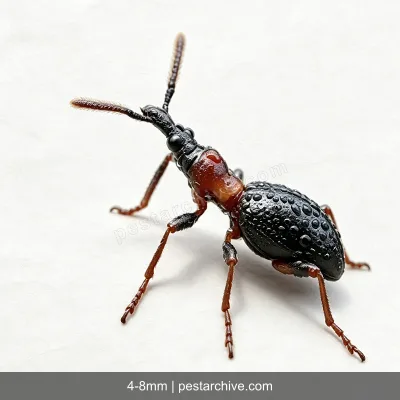
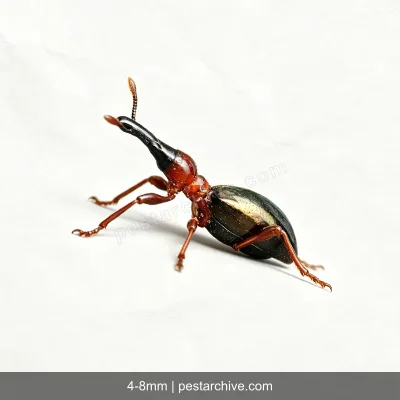
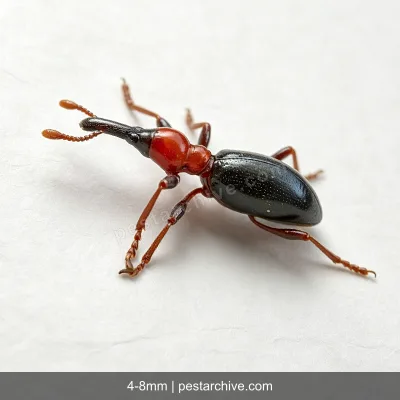
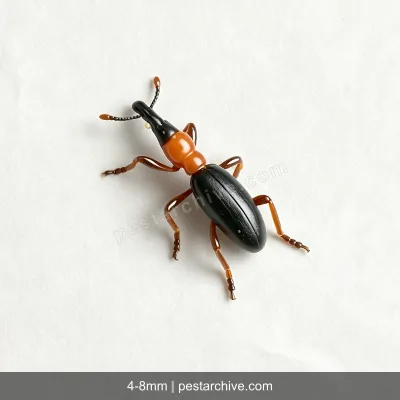
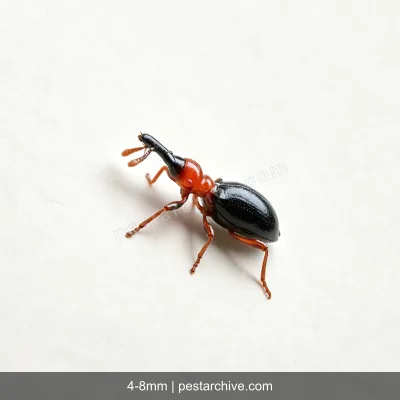
How to store sweet potatoes to prevent pests?
Proper storage of sweet potatoes (yams) is key to preventing sweet potato weevil infestation. Improper storage not only invites pests but also leads to rot and spoilage.
Post-harvest treatment
- Drying — Freshly dug sweet potatoes have high moisture content. Place them in a well-ventilated, shaded area for 2-3 days to allow surface moisture to evaporate and wounds to heal, forming a protective dry skin.
- Sorting — Separate tubers with wounds, insect holes, or signs of rot for individual handling; do not store them with good tubers.
- Do not wash with water — Never wash tubers before storage; washing removes the protective layer and increases humidity, making them more prone to rot and pests.
Storage environment control
- Temperature — Optimal storage temperature is 12-15°C. Too high (>20°C) promotes sprouting; too low (<10°C) causes chilling injury, leading to soft flesh and internal browning.
- Humidity — Relative humidity of 80-90% is ideal. Too dry causes shriveling; too wet causes rot.
- Ventilation — The storage area should have adequate ventilation to prevent carbon dioxide buildup and localized heating.
Storage methods
- Dry sand storage (most traditional and effective) — Place a layer of dry sand at the bottom of a box, add a layer of sweet potatoes, cover with another layer of sand, and repeat alternately. Dry sand insulates, retains moisture, and prevents pests from contacting tubers.
- Rack storage — Use bamboo or wooden racks to place sweet potatoes in layers with gaps between for ventilation.
- Indoor cardboard box method — Line the bottom of a cardboard box with dry straw or newspaper, place a layer of sweet potatoes, cover with a layer of paper, and store in a cool, ventilated area.
Key pest prevention measures
- Before storage, apply food-grade diatomaceous earth to storage boxes and surrounding environments (do not apply directly to sweet potatoes).
- Install fine-mesh screens on storage room doors and windows to prevent adult weevils from flying in to lay eggs.
- Inspect every 7-10 days; remove any infested or rotting tubers immediately to prevent spread.
- Store newly harvested tubers separately from older stock to avoid cross-contamination.