Can dinotefuran-containing household insecticide spray control wood borers?
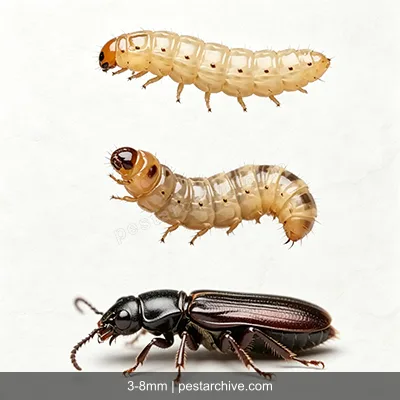
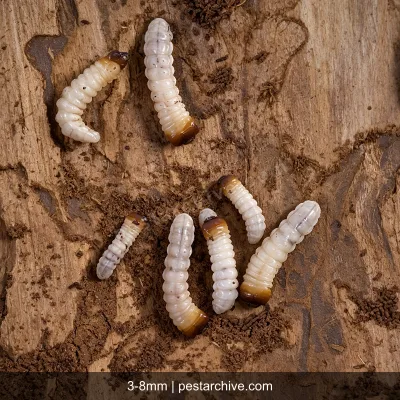
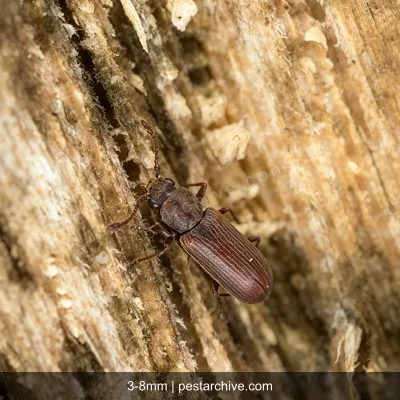
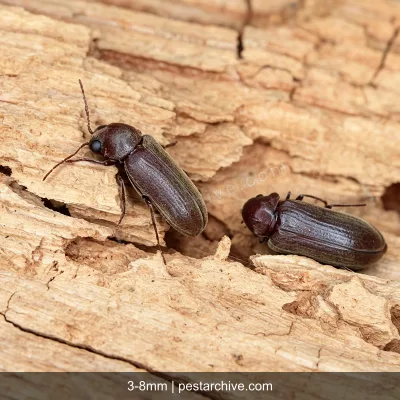
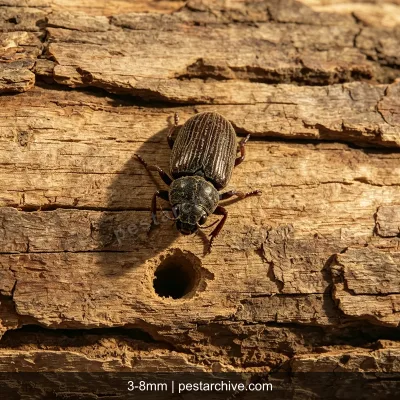
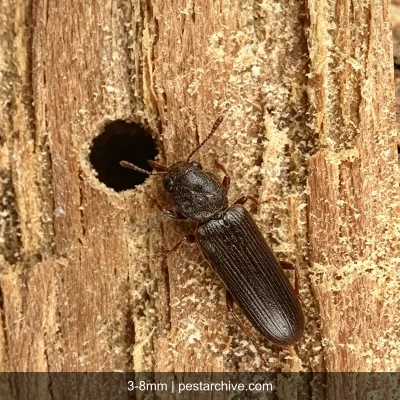
Can dinotefuran-containing household insecticide spray control wood borers? Dinotefuran spray can effectively control wood borers and has several clear advantages over other insecticides. Early treatment when only a few holes are found gives the best results; if holes are widespread, multiple generations have already bred and multiple treatments are needed for eradication.
Advantages of dinotefuran spray
- Good penetration — dinotefuran is water-based with good fluidity, allowing it to penetrate deep into the wood through fine tunnels to reach the borers.
- Good contact action — larvae moving inside the tunnels contact the insecticide-treated wood surface; it is absorbed through the body wall, disrupting the nervous system and causing death.
- Moderate residual effect — after treatment, effective concentrations remain in the wood for several weeks, killing larvae that hatch later.
- Broad-spectrum — effective against powderpost beetles, false powderpost beetles, furniture beetles, and other wood borers.
Application method
Injection method (most recommended)
Use a syringe to inject dinotefuran solution into each hole. This is the most precise and effective method:
- Inject 2-3 drops per hole.
- Allow the liquid to flow naturally into the tunnel.
- For vertical holes, inject in stages, waiting for the liquid to seep down before adding more.
Surface spray method
If there are too many holes or their locations are uncertain, spray over a large area:
- Spray dinotefuran-containing household insecticide evenly over the furniture surface.
- The liquid penetrates through micro-cracks and wood grain.
- Suitable for prevention or light infestations.
Spray suitability Dinotefuran spray is a ready-to-use liquid — no dilution or mixing required. Both spraying and injection are convenient. For small-scale wood borer problems at home, dinotefuran spray is a practical and economical choice.
Tip
After treating the borers, seal the holes with wax or wood putty to prevent new adults from emerging and to contain any insecticide odor.