How to prevent solid wood furniture from getting borers?
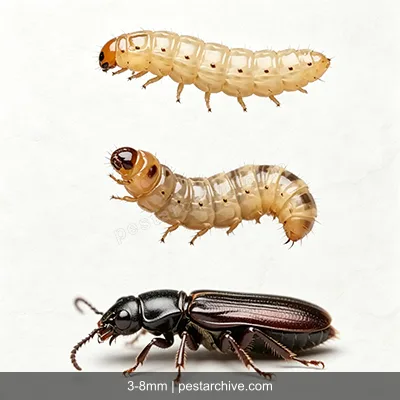
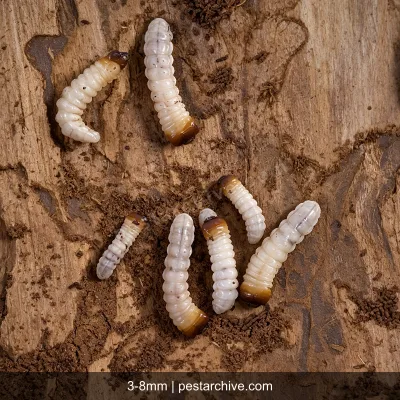
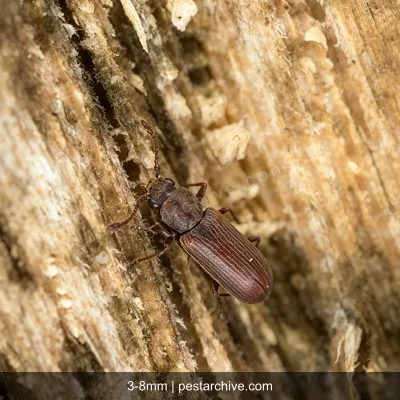
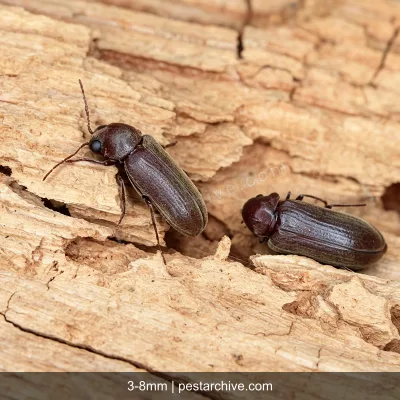
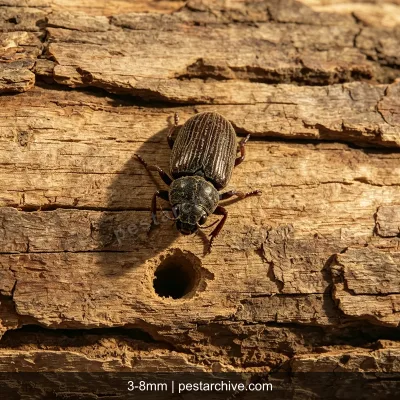
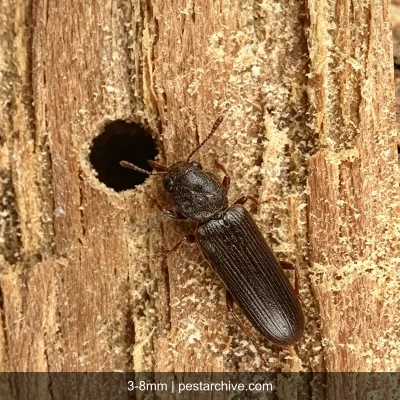
How to prevent solid wood furniture from getting borers?
Preventing borer infestation requires protection from the time of purchase and good daily maintenance habits.
Inspection at purchase
- Carefully check new furniture for holes and powder.
- Pay attention to the bottom, back, and joints — these areas are most prone to hiding borers.
- Smell for mustiness (damp wood is more susceptible to borers).
- Choose wood that has been kiln-dried (moisture content 8-12%).
Daily preventive measures
- Keep dry and ventilated
Borers survive and breed more readily in damp wood. Keep indoor areas ventilated and dry; leave 10-15 cm gaps between furniture bottoms and walls/floors to prevent moisture accumulation. Keep furniture away from moisture sources (bathrooms, kitchens, exterior walls). In southern humid seasons, use a dehumidifier.
- Regular cleaning
Regularly wipe furniture surfaces and backs with a dry cloth; do not let dust and debris accumulate in corners and crevices.
- Control indoor humidity
Aim to keep indoor humidity below 50%. Especially during humid seasons (southern rainy seasons, spring humidity), use air conditioning or a dehumidifier. Borers reproduce fastest at 20-30°C with humidity above 60%.
- Chemical prevention
If you live in a humid southern area, apply a small amount of dinotefuran-containing household insecticide to the back and underside of furniture (out of sight) as prevention; once dry, it forms a protective layer. The visible surfaces do not need spraying.
- Insect prevention for old furniture
When restoring or bringing in old furniture:
- Sand off old paint and check for borer damage.
- Treat any holes with injection and seal.
- Reapply varnish or wax to seal the wood surface.
Regular inspection
It is recommended to check furniture bottoms and backs twice a year, especially during spring and summer when borers are active. Treat promptly if powder or holes are found.