Can Clothes Moths Carry Germs or Diseases?
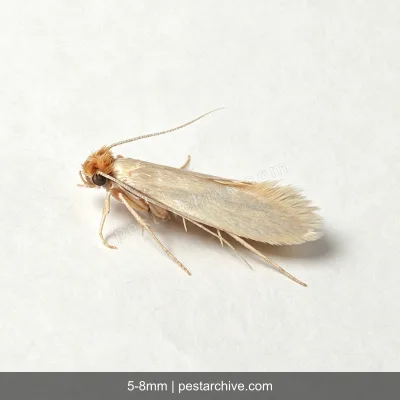
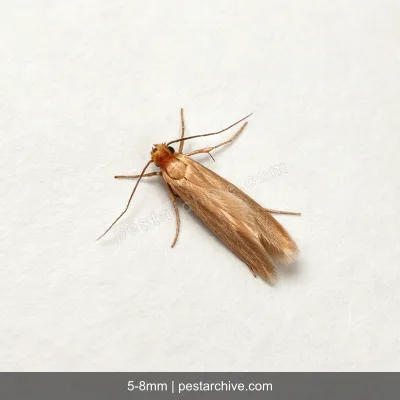
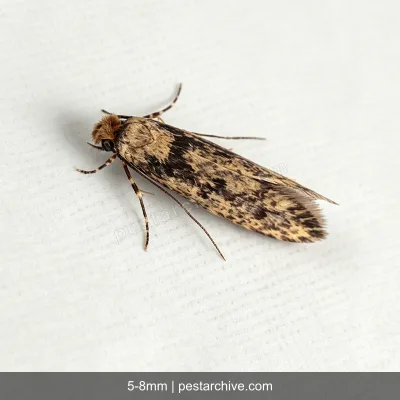
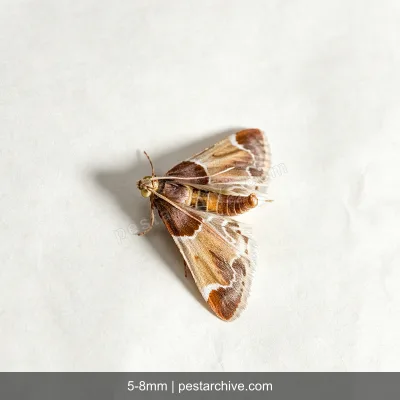
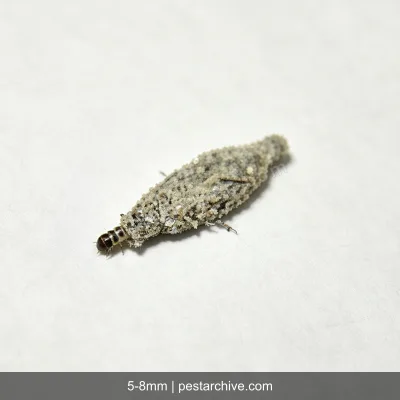
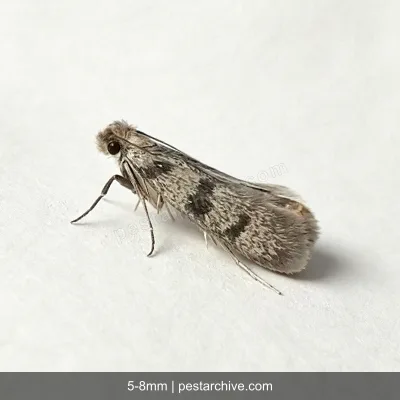
Do Clothes Moths Carry Germs?
Clothes moths themselves don't carry any notable disease-causing germs — unlike flies and cockroaches that pick up all sorts of bacteria. They mainly eat animal fibers (wool, cashmere, silk) and don't come into contact with rotting food or garbage, so the hygiene risk is much lower than with cockroaches or flies.
Possible Skin Issues
Clothes that have been fed on by moths will be contaminated with their droppings, shed skins, and silk webbing. These substances aren't disease-causing on their own, but if you have sensitive skin, wearing such clothes directly might cause itching or small red bumps — similar to mild contact dermatitis. This isn't an infection; it's physical irritation or a mild allergic reaction.
Hygiene Considerations
- Clothes heavily soiled with moth droppings and silk webbing can harbor dirt and grime.
- Damaged fabric fibers become loose and more likely to trap dust and mold.
- If someone in the household has asthma or allergic rhinitis, moth skin casings and droppings could act as allergens.
- However, these risks are relatively low and not worth excessive worry.
What to Do
- Always wash clothes thoroughly before wearing if they've been affected by moths. Hot water above 60°C (140°F) gives the best results. Dry cleaning also removes pest residues.
- Heavily damaged items are best thrown away — don't hold onto them.
- After discovering an infestation in the wardrobe, inspect all clothing before putting anything back.
- Overall, clothes moth control is mainly about protecting your garments. Don't stress about the health aspect. Proper washing eliminates any hygiene concerns.