How to Get Rid of Clothes Moths in Your Closet?
What's Eating the Sweaters in My Wardrobe?
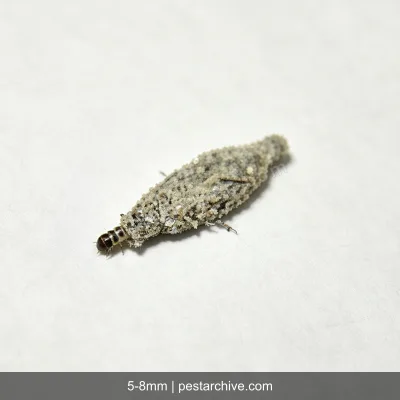
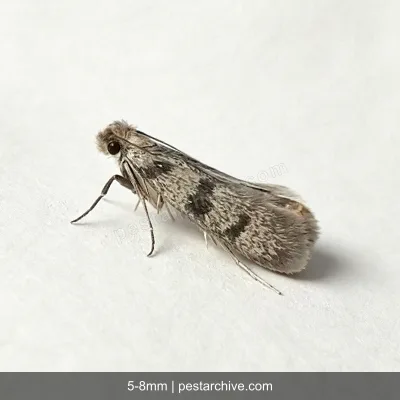
The culprit is clothes moth larvae, not silverfish. Many people think holes in clothes come from silverfish, but in reality, the vast majority of sweater damage at home is caused by clothes moth larvae. The larva is a tiny, rice-grain-sized grub (pale yellow or creamy white, 3-5mm long, reaching 7-10mm when fully mature). It carries a tube-shaped silk case made from fabric fibers and silk — its mobile home — and eats as it goes, feeding specifically on animal fibers. A single larva will keep feeding for 2-3 months before pupating and can damage multiple garments.
How to Confirm It's Clothes Moths?
- Irregular small holes in clothing with rough, uneven edges — not like scissors cut them.
- Rice-grain-like silk tubes found in wardrobe corners.
- Fine silk threads clinging to the surface of clothes, as if snagged by a spider web.
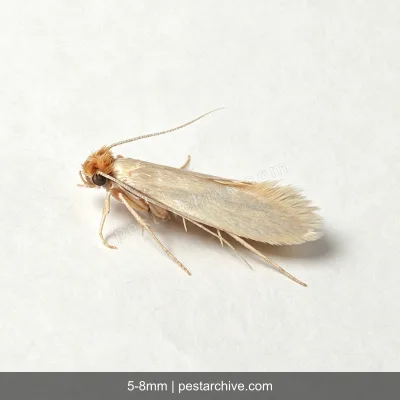
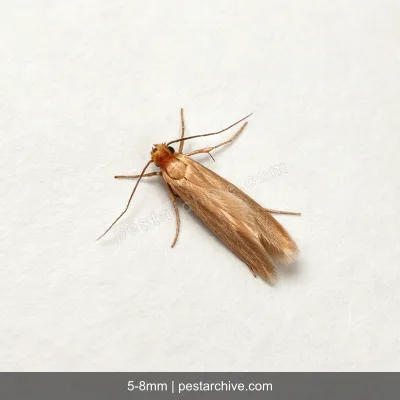
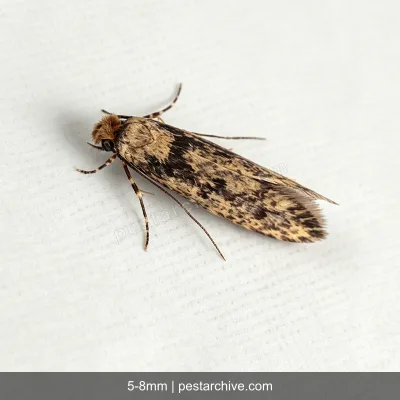
- Occasional pale yellow moths crawling or fluttering weakly near the wardrobe.
- Turn over the folds of a sweater — you may find the larva feeding there.
Clothes Moths vs. Silverfish
Clothes moth larvae carry a tube-shaped silk case and move slowly. Silverfish have flat bodies, are silvery-gray, move fast, and don't avoid light. Clothes moths eat animal fibers (wool, silk). Silverfish eat almost anything (including paper, dry food, cotton). You can also tell by the damage location — holes in wool and cashmere sweaters are almost certainly from clothes moths.
What Don't Clothes Moths Eat?
Clothes moth larvae won't eat synthetic fabrics (polyester, acrylic, nylon). They're not very interested in pure cotton either. Their favorites, in order: wool sweaters, cashmere coats, silk scarves, fur, wool blankets, and the feathers in down jackets. So if you find holes in synthetic clothing, it's probably not clothes moths — consider beetles or cockroaches instead.