How to Inspect Herbal Medicine for Bug Eggs?
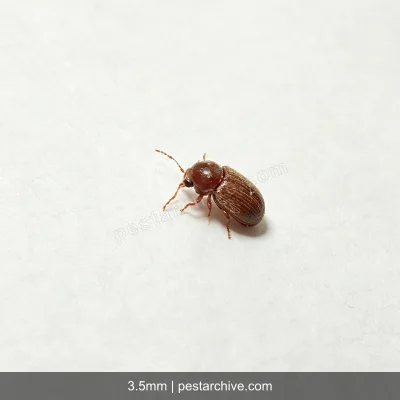
How to Check Herbs for Insect Eggs?
Checking herbs for insect eggs is difficult because drugstore beetle eggs are extremely tiny and virtually invisible to the naked eye. But you can make an assessment using indirect methods.
Why Are the Eggs So Hard to Find?
Drugstore beetle eggs are about 0.3–0.5 mm long — smaller than a pinhead — oval, and creamy white. They're laid in the crevices and folds of herbs. They're basically impossible to identify with the naked eye, and even with a magnifying glass, it's very hard to spot them among the herbs.
Indirect Detection Methods
Method 1: Look for Signs
While you can't see the eggs directly, you can spot signs of larval activity:
- Are there pinhole-sized holes on the herb surface?
- Is there fine powder around the herbs?
- Are there granular droppings at the bottom of the drawer or jar?
- Sift occasionally and check for any crawling live insects
Method 2: Tap Test
Place the herbs on a sheet of white paper and gently tap or shake:
- If there are larvae or droppings inside, they'll fall out onto the paper
- The white paper makes fallen debris easy to see
- If fine particles or tiny insects fall out, there's an infestation
Method 3: Break Open and Inspect
For herbs you suspect may be infested, break or cut them open:
- Check the interior for tunnels
- Look for larvae or droppings
- Check for discolored areas
Method 4: Freezer Egg-Kill Method
The safest approach: regardless of whether you can see eggs or not, freeze directly:
- Place the herbs in a sealed bag
- Freeze at -18°C (0°F) for 3–4 days
- The low temperature kills all eggs and larvae
- After taking them out, store in airtight containers
Regular Inspection Habits
- Take herbs out and look them over every 1–2 months
- Spread them out under sunlight and examine
- Give them a sniff — any off odors?
- Check that sealed container lids are still tight