How to Protect Herbs and Spices from Drugstore Beetles?
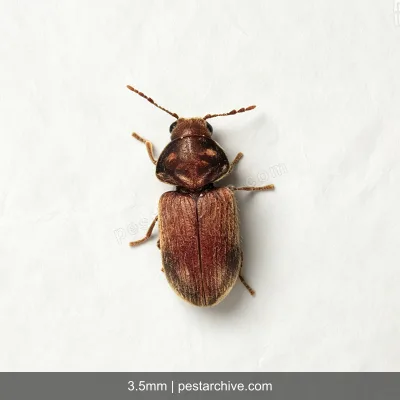
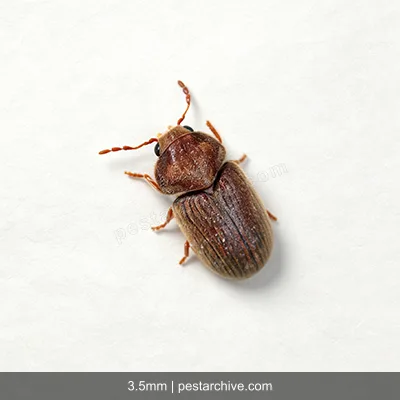
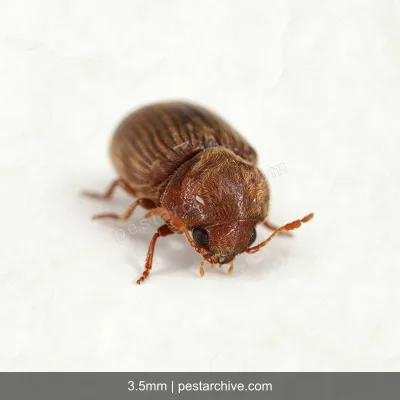
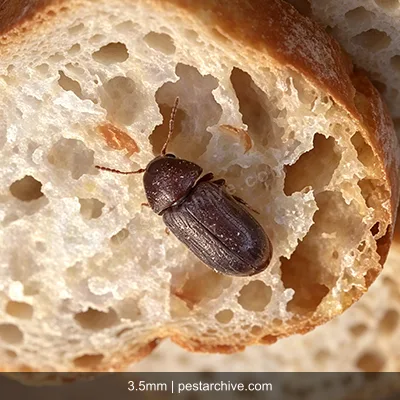
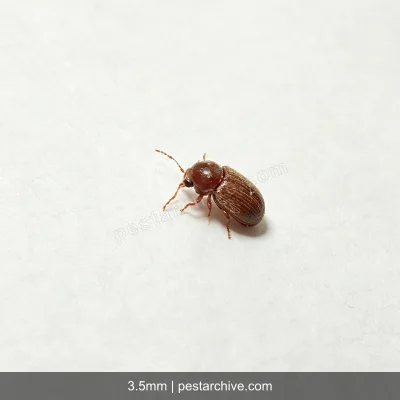
What Are the Tiny Beetles in My Chinese Medicinal Herbs?
Nine times out of ten, the tiny beetles in your dried herbs are drugstore beetles (Stegobium paniceum). They are a stored-product pest that specifically targets dried herbal materials and foods.
What Do Drugstore Beetles Look Like?
- Size: 2–3 mm, about the same size as a cigarette beetle
- Shape: oval and humpbacked
- Color: reddish-brown or dark brown
- Head: tucked under the thorax, so it's not easily visible from above
- Antennae: the last three segments are distinctly enlarged and flattened into a club (this is the most obvious difference from the cigarette beetle)
- Can fly
Drugstore Beetle vs. Cigarette Beetle
| Feature | Drugstore Beetle | Cigarette Beetle |
|------|--------|--------|
| Antennae | Last 3 segments clearly enlarged into a flat club | Saw-toothed (serrated), tip not noticeably enlarged |
| Body length | 2–3 mm | 2–3 mm |
| Color | Reddish-brown | Reddish-brown to yellowish-brown |
| Food preference | Primarily medicinal herbs | Tobacco, dried fruit, spices |
Drugstore Beetle Favorite Foods
- Goji berries, Chinese angelica root, Codonopsis root, astragalus root
- Dried longan, red dates
- Dried ginger, licorice
- Ginseng, American ginseng
- All types of plant-based dried herbs
- Dried fruit, spices
How Drugstore Beetles Cause Damage
Females lay eggs on the herb surface or in packaging crevices, producing dozens to over a hundred per batch. After hatching, the larvae burrow directly into the herb and feed, tunneling through it as they eat and defecate. By the time the adult emerges, the interior of the herb has usually been completely hollowed out. At 25–30°C (77–86°F), the entire life cycle takes about 30–50 days, and they can complete 3–4 generations per year.
Key Differences from Cigarette Beetles
Though they look similar, here's a practical way to tell them apart:
- Antennae differ: drugstore beetle antennae have the last three segments enlarged into a flat club (like a tiny fan); cigarette beetle antennae are saw-toothed/ serrated (like a tiny comb)
- Food preferences differ: drugstore beetles prefer medicinal herbs, especially sweet ones (red dates, goji berries); cigarette beetles prefer tobacco, dried fruit, and spices
- If both your herbs and tobacco snacks are infested, it's probably drugstore beetles — they have a broader diet than cigarette beetles
Why Are Medicinal Herbs So Prone to Drugstore Beetles?
dried herbs typically undergo no high-temperature sterilization during processing and storage (high heat would degrade their medicinal properties). Plus, herbs are exposed for long periods during transport and retail, making contamination with insect eggs highly likely. That's why you should never just put newly purchased herbs straight into storage — do preventive treatment first.
How to Handle Newly Purchased Herbs
- Inspect: look for infestation signs (powder, holes, droppings)
- Freeze: for items that look clean, freeze at -18°C (0°F) for 48 hours to kill hidden eggs
- Seal: after freezing, transfer to glass airtight jars for storage
- For valuable herbs (ginseng, American ginseng, etc.): store directly in the refrigerator — keeps them fresh and pest-free