Signs You Have Mice (Even If You Never See Them)





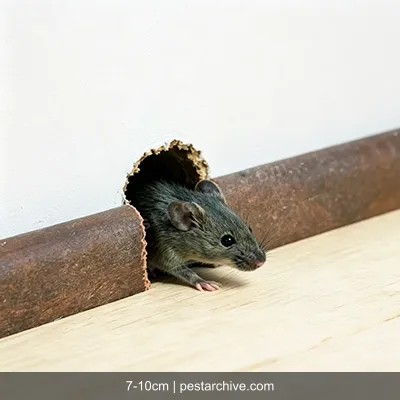
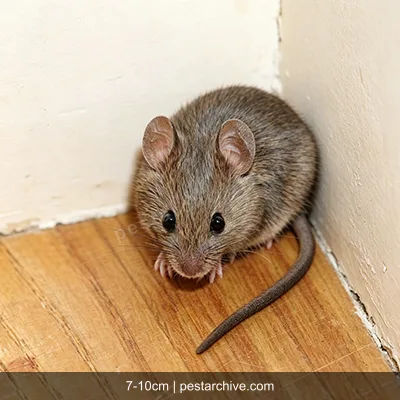


Mice are nocturnal and extremely secretive — most homeowners never see a live mouse until the infestation is severe. By the time you spot one running across the floor, there are likely 10–20 others you have not seen. Recognizing the early signs lets you intervene while the population is still manageable.
### Sign 1: Droppings — The #1 Indicator
Mouse droppings are:
- Size: 3–8 mm long, 1–2 mm thick — much smaller than rat droppings.
- Shape: Rod-shaped with pointed ends (rat droppings are blunt).
- Quantity: 50–75 droppings per mouse per night.
- Location: Found along baseboards, inside cabinets, behind appliances, in drawers, and on countertops.
Fresh droppings are dark and soft. Old droppings are gray and crumble. A high proportion of fresh droppings means active, growing infestation.
### Sign 2: Gnaw Marks
Mice gnaw constantly. Look for:
- Small, clean gnaw holes in food packaging, cardboard, and thin plastic.
- Gnawed wiring behind appliances and in walls — fire risk.
- Tooth marks (1–2 mm wide parallel grooves) on wood, plastic, and rubber.
### Sign 3: Grease Rub Marks
Mice have oily fur. Along their regular travel paths they leave dark smears:
- Thin dark streaks along baseboards at mouse height (1–2 inches above the floor — lower than rat rub marks).
- Smudges around pipe penetrations and gap edges.
### Sign 4: Noises
- Scratching and scurrying in walls, ceilings, and under floors at night.
- Light gnawing sounds — quieter than rat gnawing.
- Squeaking — mice vocalize more frequently than rats.
### Sign 5: Nesting Material
Mice shred paper, fabric, and insulation to build nests. Look for:
- Accumulations of shredded material in drawers, behind appliances, and in undisturbed corners.
- Small ball-shaped nests (4–6 cm diameter) made of mixed shredded material.
### Sign 6: Urine Odor and Stains
Mouse urine has a musty, ammonia-like smell. In enclosed spaces (cabinets, drawers, behind appliances):
- Visible urine stains on surfaces — fluoresce under UV light (use a $10 UV flashlight to detect hidden stains).
- Persistent musty odor that does not resolve with cleaning.
### Sign 7: Pet Behavior
Dogs and cats detect mice before humans:
- Fixated staring at walls, cabinets, or under appliances.
- Pawing at floor-level gaps.
- Bringing you a caught mouse.
### Sign 8: Damaged Food
- Torn bags, chewed boxes, and spillage in pantries.
- Food that tastes "off" — mouse urine and feces contamination.
- Seeds and grains with visible gnaw marks.
### What to Do After Confirmation
- Inspect for entry points ≥¼ inch and seal all of them.
- Set 10–15 snap traps along identified travel routes.
- Remove all accessible food and nesting material.
- Monitor daily for new droppings to track population decline.