How to Get Rid of Mice in Your House?

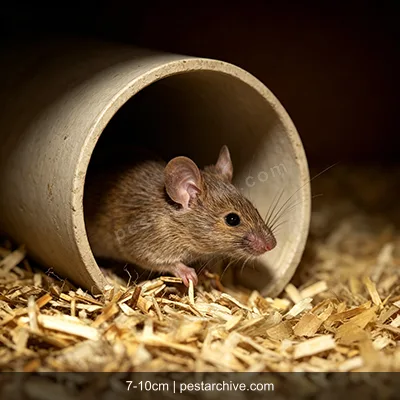
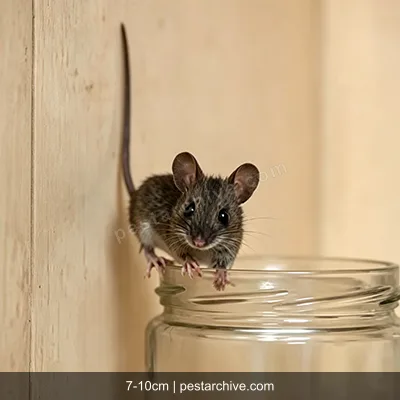

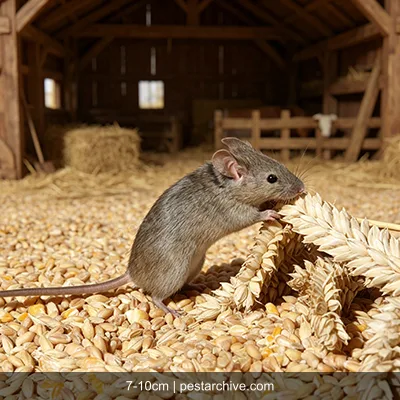
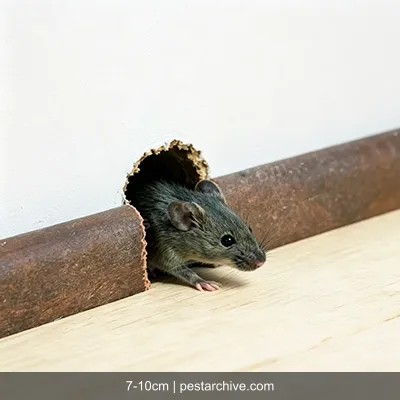
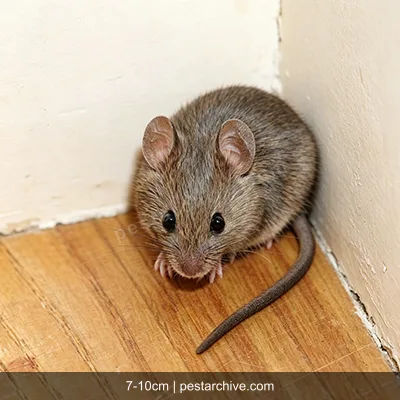
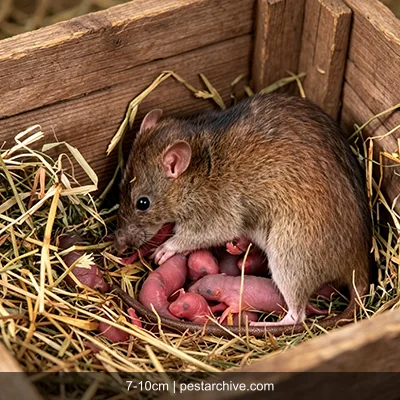

House Mice (*Mus musculus*) are the most common rodent infesting homes worldwide — far more prevalent than rats. Weighing only 15–30 g with a body length of 7–10 cm plus a thin tail, they can squeeze through gaps as small as ¼ inch (6 mm), climb vertical walls, jump 12 inches vertically, and reproduce at staggering speed (a single female produces 5–10 litters per year, 5–6 pups per litter).
Mice contaminate far more food than they eat — a single mouse deposits about 3,000 micro-droppings over its lifetime, urinating constantly as it travels. They gnaw wiring (fire risk), damage insulation, and spread salmonellosis and lymphocytic choriomeningitis.
### Phase 1: Exclusion — Seal Every Gap ≥¼ Inch
Mice exploit smaller openings than rats. Seal everything ¼ inch or larger:
- Foundation cracks and utility penetrations — fill with copper mesh + caulk (not foam alone — mice gnaw through it).
- Door sweeps — install metal sweeps on exterior doors; gaps under doors are the #1 entry route.
- Pipe and cable penetrations — where plumbing and wiring enters walls, seal gaps.
- Window gaps — caulk around window frames; check basement windows especially.
- Vent covers — screen crawl-space and attic vents with ¼-inch hardware cloth.
- Garage door seal — replace damaged bottom seals.
### Phase 2: Trapping — Kill Mice Already Inside
Snap traps (best method for homes):
- Use mouse-sized snap traps (smaller than rat traps).
- Bait with peanut butter (the universal top bait), chocolate, or nesting material (a small cotton ball — mice seek nesting material).
- Place along walls, behind appliances, and in cabinets where droppings are found. Bait end toward the wall.
- Set 10–15 traps at once — mice are less neophobic than rats but still benefit from multiple simultaneous traps.
- Check daily; dispose of dead mice in sealed bags.
Live traps (if you prefer catch-and-release):
- Place along walls with the entrance facing the wall.
- Release captured mice at least 1 mile from your home — closer release means they return.
- Note: catch-and-release has limited effectiveness — mice almost always re-enter homes in urban areas.
Do NOT use poison indoors — same risks as with rats: hidden carcasses, odor, secondary pests, pet/child exposure. In addition, mice cache (store) bait in walls and ceilings, creating hidden poison reservoirs that remain toxic long after you stop using the product.
### Phase 3: Sanitation — Deny Food and Harborage
Food:
- Store all food in sealed containers or the refrigerator — mice gnaw through cardboard, thin plastic, and paper.
- Clean up crumbs, spills, and food debris daily.
- Keep garbage in sealed cans.
- Do not leave pet food out overnight.
- Store birdseed, grass seed, and pet food in sealed metal or heavy plastic containers.
Harborage:
- Reduce clutter — mice nest in undisturbed piles of paper, fabric, boxes, and bags.
- Store items in sealed plastic bins rather than cardboard boxes.
- Keep storage areas organized and accessible for inspection.
- Move stored items away from walls by 12 inches to allow inspection and reduce nesting sites.
### Mouse-Proofing Specific Areas
Kitchen:
- Seal gaps behind and under cabinets, stoves, refrigerators, and dishwashers — mice travel behind appliances constantly.
- Store food in sealed containers; never leave food on open counters overnight.
- Clean under the stove and refrigerator monthly — accumulated grease and crumbs attract mice.
Basement/Crawl Space:
- Seal all foundation cracks and pipe penetrations.
- Screen vents with hardware cloth.
- Reduce clutter and store items in sealed bins.
- Check for water leaks — mice need water and exploit condensation.
Garage:
- Seal the garage door bottom gap.
- Store pet food and birdseed in sealed metal containers.
- Keep the garage organized and clutter-free.