How to eliminate ticks from the yard?
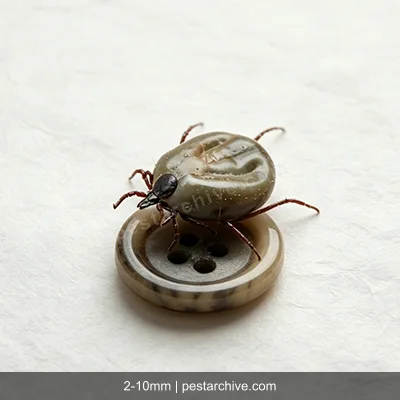
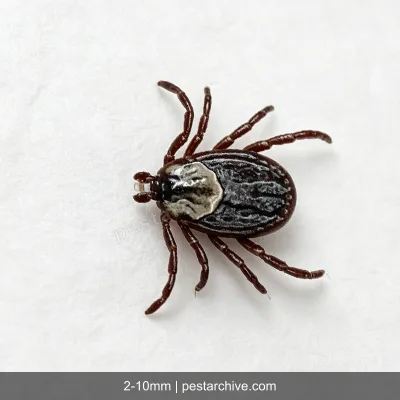
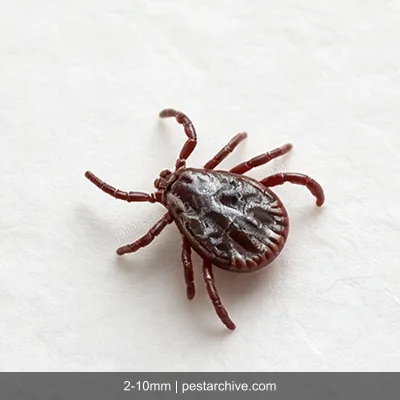
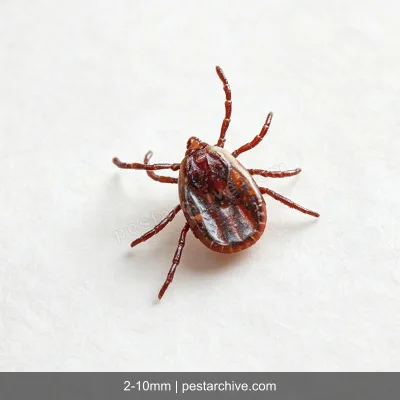

How to eliminate ticks from the yard?
If ticks are found in the yard, a multi-pronged approach combining environmental modification and chemical control is necessary for complete elimination. Spraying alone is only a temporary fix; habitat modification is key.
Step 1: Environmental modification (make the yard unsuitable for ticks)
- Mow grass short — ticks dislike dry, sunny conditions. Keep grass below 5 cm so sunlight reaches the ground, making it less favorable for ticks.
- Remove dead leaves and weeds — leaf litter and weeds along walls and fences are ideal tick habitats; remove them thoroughly.
- Trim shrubs — prune lower branches to allow sunlight to reach the ground beneath.
- Clear clutter — woodpiles, brick piles, and old furniture in the yard all provide hiding places for ticks.
Step 2: Create a barrier zone
- At the boundary between lawn and wooded/weedy areas, install a 60-100 cm wide barrier strip.
- Use wood chips, gravel, or bark mulch.
- Ticks dislike crawling over these dry, rough surfaces, effectively blocking their entry into activity areas.
Step 3: Eliminate wildlife hosts
- Check yard corners for rat holes and seal them.
- If bird nests are too close to the house, remove them after the breeding season.
- Seal gaps under fences to prevent entry by stray cats, hedgehogs, and other animals.
Step 4: Chemical control
- Spray permethrin-containing household insecticide along yard edges, lawn boundaries, fence bases, and foundations where ticks may occur.
- Focus on grass roots, ground surfaces, and low vegetation.
- Permethrin residual effect lasts about 2-4 weeks.
- Reapply after rain.
Step 5: Ongoing maintenance
- Mow grass and trim hedges regularly.
- Check pets for ticks after they have been in the yard.
- Before coming indoors, check your pant legs for ticks.