What to Do After a Tick Bite
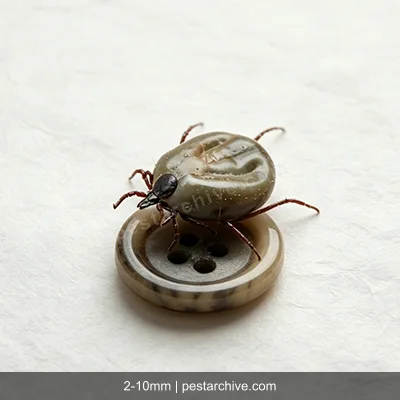
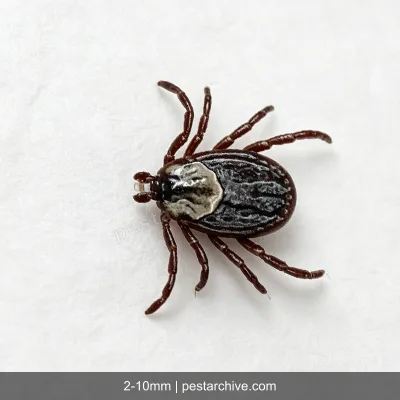
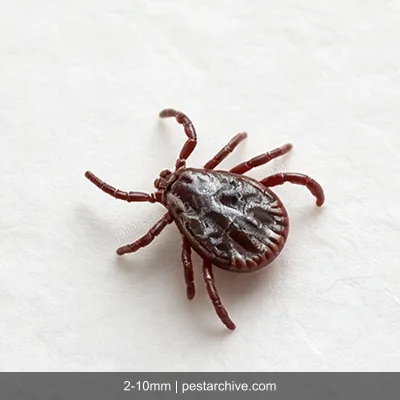
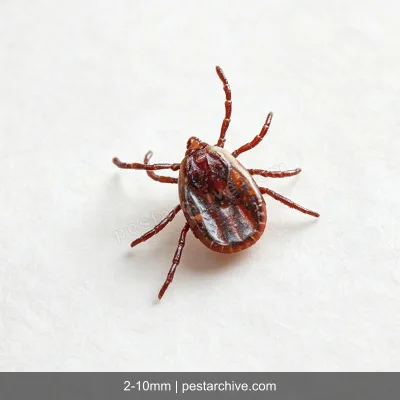
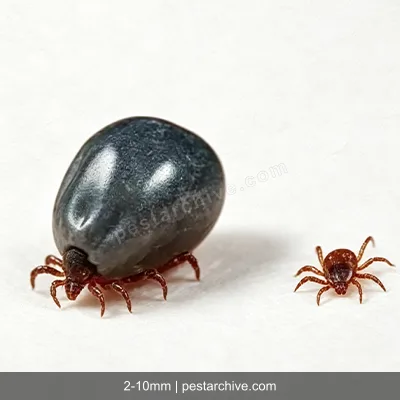
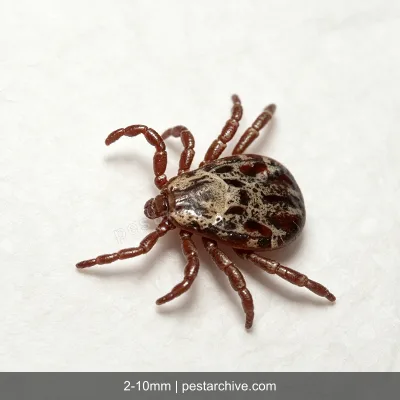
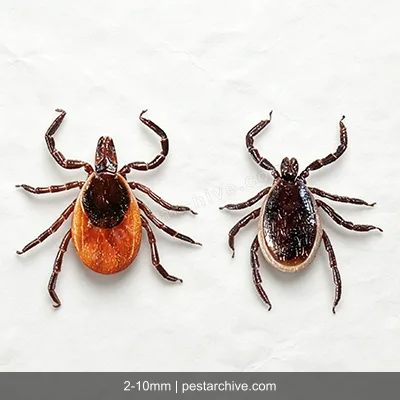
Why Are There Ticks in My House?
Ticks find their way into your home through the following routes. Understanding the source helps you target your prevention:
Carried in by pets (most common)
Dogs and cats love poking through grass and shrubs when they're outside. Ticks wait on the tips of grass blades. When a pet brushes past, the ticks climb aboard. This is especially common with long-haired dogs — ticks hide deep in the fur and are hard to spot. Once the pet comes home, ticks crawl off and wander indoors looking for their next blood meal.
Carried in by people
When you walk through grass, park landscaping, or forest trails, ticks can latch onto your pant legs, shoes, and socks and hitch a ride home. Ticks don't actively chase people the way mosquitoes do. They use an "ambush" strategy — they perch on grass blades with their front legs extended, waiting to grab onto anyone who passes. So even if you don't go into the wilderness, a walk across the lawn at a city park can bring ticks home.
Wild animals as intermediaries
If your property has rats, hedgehogs, squirrels, or feral cats roaming around, ticks on these animals can drop off into the yard and then crawl onto people or indoors. This is especially common in older houses — rats nesting in wall voids and ceilings can introduce ticks that crawl in through these spaces.
How to trace the source
- If your pet goes outside frequently, the pet is the prime suspect.
- If you don't have pets, think about whether you recently walked through grass or a park.
- Check around the house for signs of rodent activity (droppings, burrows).
- If you live on the ground floor, the chance that ticks crawl directly in from outside is higher.