How to Safely Get Rid of a Tick?
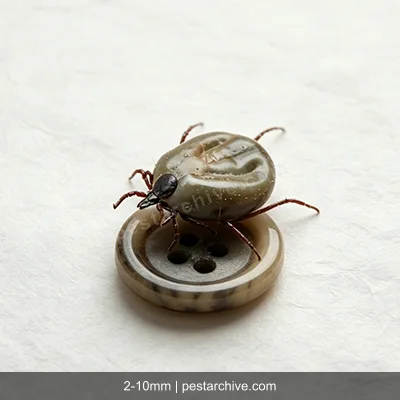
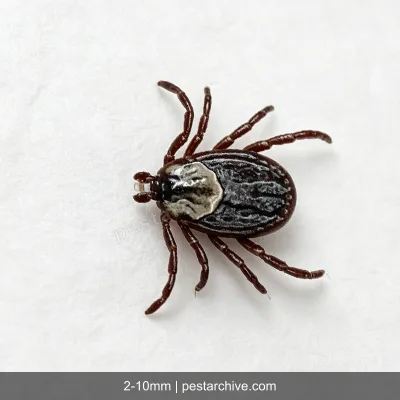
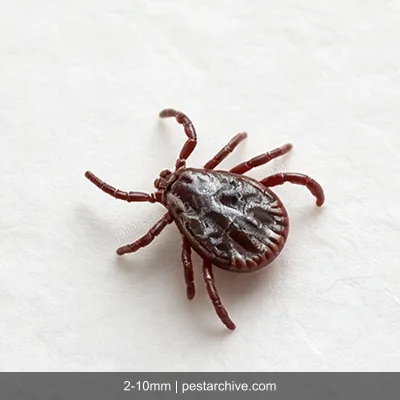
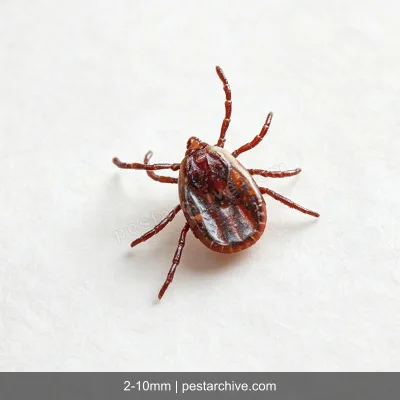
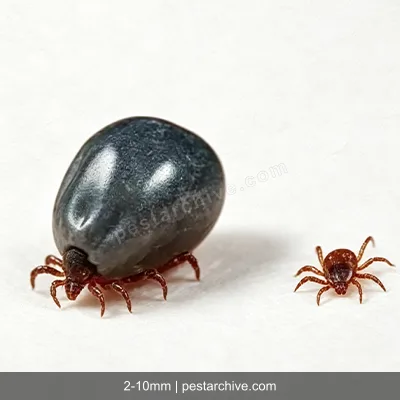
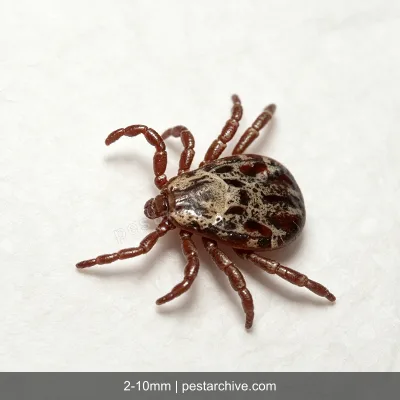
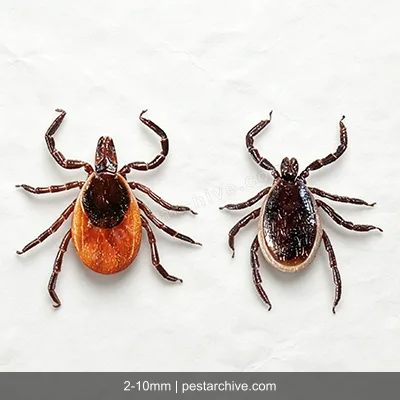
What Are the Dangers of a Tick Bite?
Ticks can transmit multiple diseases. They are the second most important disease vector after mosquitoes. A tick bite can lead to the following serious illnesses — do not take it lightly:
Lyme disease
Caused by the bacterium *Borrelia burgdorferi*, a characteristic "bull's-eye" red rash (erythema migrans) may appear 3-30 days after the bite, accompanied by fever, headache, and fatigue. If left untreated, it can affect the joints, heart, and nervous system.
Tick-borne encephalitis
Caused by a virus, primarily found in forested regions where ticks are common. Onset is sudden with high fever, headache, and nausea. Severe cases can progress to impaired consciousness and paralysis. Vaccination provides effective prevention.
Severe fever with thrombocytopenia syndrome (SFTS)
Caused by a novel bunyavirus that has been reported across multiple regions globally in recent years. Symptoms include fever, reduced platelet and white blood cell counts, and gastrointestinal symptoms. Severe cases can develop multi-organ failure.
Other diseases
Also includes tick-borne relapsing fever, tularemia, babesiosis, and others.
Key points to remember
- Ticks typically need to stay attached and feed for 24-48 hours or longer to effectively transmit most pathogens. That means early detection and prompt removal dramatically reduces your infection risk.
- Not every tick carries pathogens, but if infection does occur, the consequences are serious. Don't take chances.
- If you develop fever, rash, muscle aches, or fatigue after a tick bite, see a doctor promptly and make sure to tell them you were bitten by a tick.
Special reminder
If you develop an unexplained fever after spending time in grassy or wooded areas during tick season (spring and summer), always consider the possibility of a tick-borne disease.