Can Ticks Transmit Diseases?
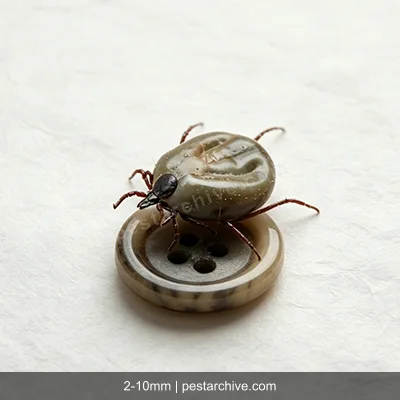
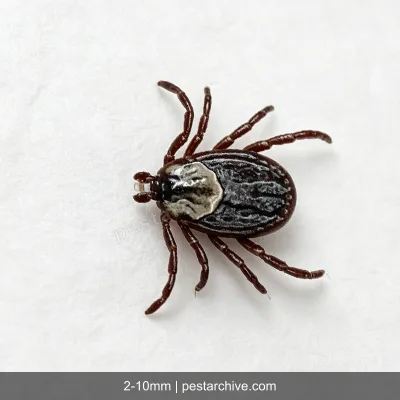
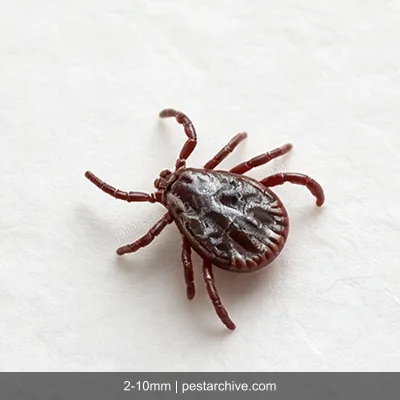
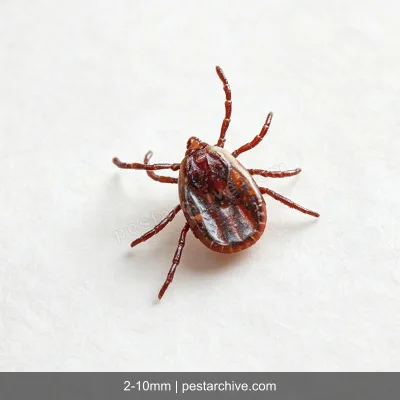
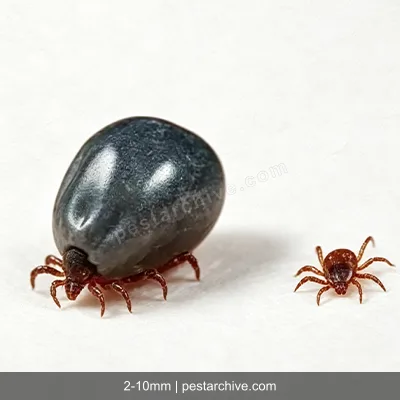
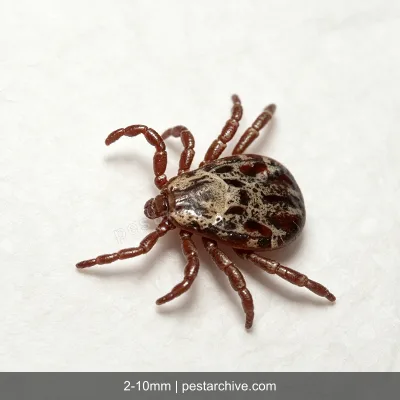
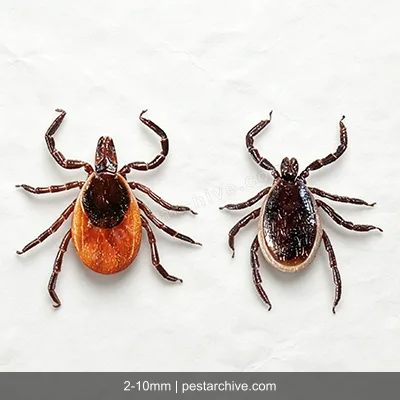
Do Ticks Spread Diseases?
Yes, they do. Ticks are the second most important disease vector after mosquitoes, and their impact should not be underestimated. Through their bites and blood feeding, they inject pathogens into the human body, transmitting multiple serious diseases:
Major diseases transmitted by ticks
- Lyme disease — Caused by *Borrelia burgdorferi*. Early signs include a bull's-eye-shaped red rash at the bite site, along with fever and fatigue. If untreated, it can affect the joints, heart, and nervous system.
- Tick-borne encephalitis — Caused by the tick-borne encephalitis virus. Symptoms include high fever, headache, and impaired consciousness.
- Q fever — Caused by *Coxiella burnetii*. Symptoms include high fever, headache, and muscle aches.
- Babesiosis — A parasite that infects red blood cells, causing hemolytic anemia and fever.
What to do after a tick bite
- Use fine-tipped tweezers to grasp the tick as close to the skin as possible, right at the mouthparts. Pull straight upward with steady pressure. Do not twist.
- Disinfect the bite site with iodine or rubbing alcohol.
- Save the removed tick (place it in a sealed bag) — if symptoms develop, it can be sent for testing.
- Monitor for 1-2 weeks. If you develop fever, rash, or muscle aches, see a doctor promptly and tell them you were bitten by a tick.