What odors do horse flies dislike?
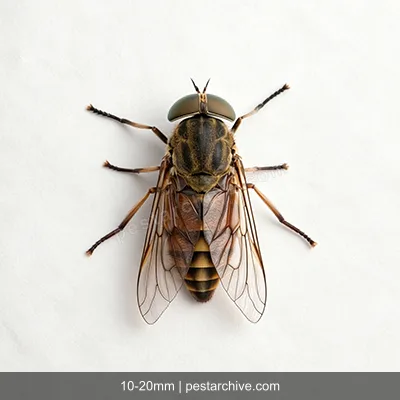
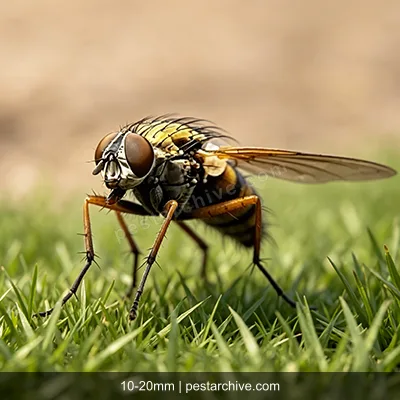
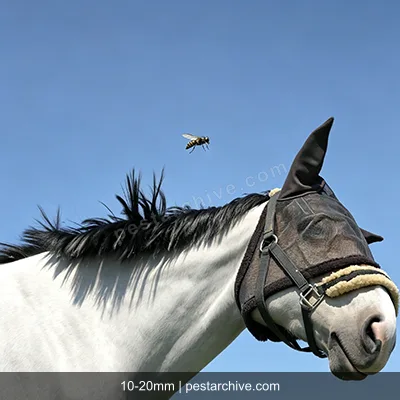
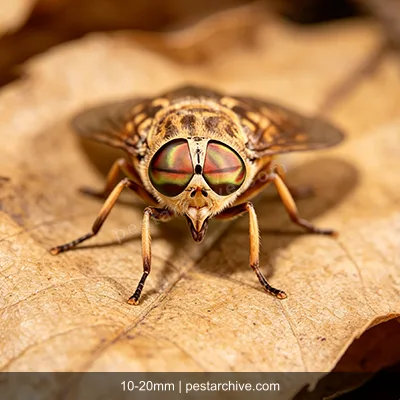
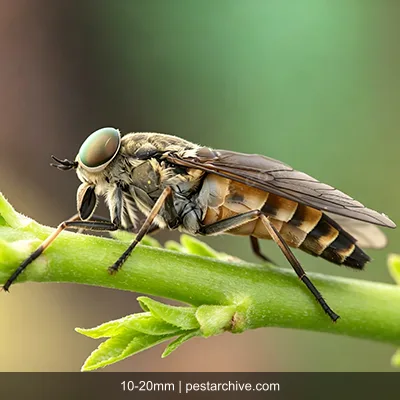
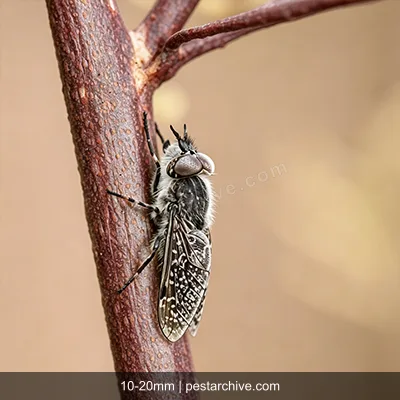
What odors do horse flies dislike?
Horse flies do show avoidance responses to some odors, but the practical effect is far less pronounced than with mosquitoes. Here are common repellent odors and analysis:
Odors with some effect
- Smoke — smoke from burning plant material can repel horse flies; traditionally used in rural areas. But burning is impractical in cities, and smoke dissipates quickly, so it is only a temporary measure.
- Impatiens (garden balsam) — some people apply the juice to their skin, believing it repels horse flies. It has some effect but lasts only briefly and washes off with sweat.
- Mint, citronella essential oils — these are somewhat effective against mosquitoes and have weak effect on horse flies. They require high concentrations and frequent reapplication; they are of little use when flies are dense.
But the truth is — odors are not a good solution
Horse flies are far less sensitive to odors than mosquitoes. They primarily rely on vision (tracking moving targets), CO₂ (sensing breath), and body heat to locate prey. Therefore:
- Odor repellency is unstable and dissipates with wind.
- It is short-lived and cannot provide long-lasting protection.
- Different horse fly species react very differently to odors.
Reliable methods for preventing horse fly bites
Rather than relying on odors, integrate the following approaches:
- Physical barriers (most effective) — wear light-colored long sleeves and pants outdoors; light colors reflect light and are less attractive. Hats and head nets also provide direct protection.
- Environmental management — remove standing water, clear weeds, and trim shrubs to reduce breeding and resting sites.
- Residual spraying — apply permethrin-containing sprays to walls, fences, and other resting surfaces; flies that land there will die.
- Avoid peak activity — horse flies are most active on hot, sunny mornings and evenings; stay indoors or take full protection during these times.
Conclusion: Do not expect odors to provide a long-term solution; physical protection and environmental management are the fundamentals.