Where are horse flies commonly found?
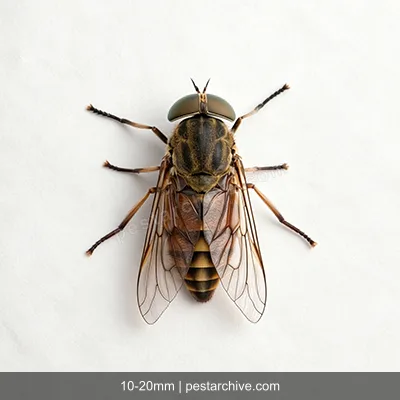
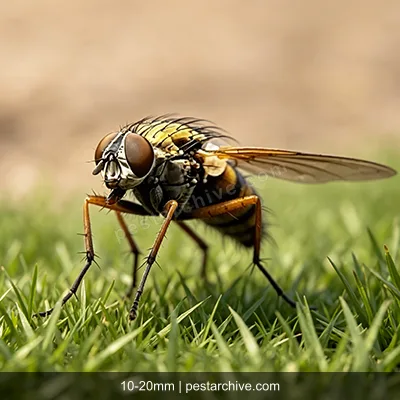
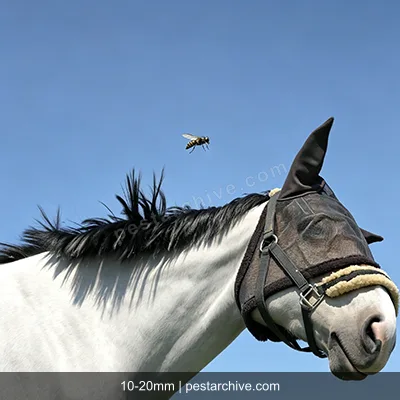
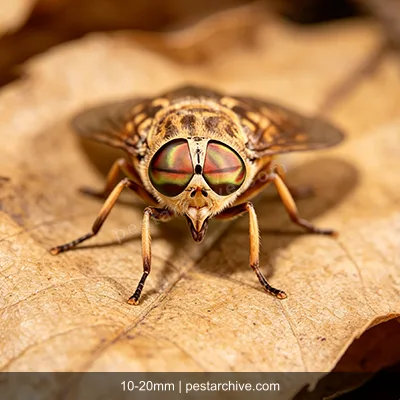
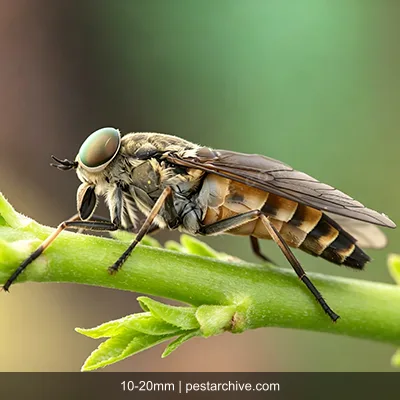
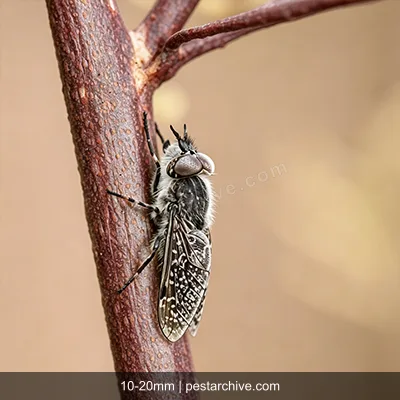
Where are horse flies commonly found?
Horse fly activity areas are closely related to their breeding and feeding habits. They are mainly found in the following places:
High-risk areas
- Pastures and livestock areas — these have the highest densities, as large animals like cattle and horses are the main blood sources for females.
- Watersides and wetlands — near ponds, rice paddies, marshes, and ditches, where larvae develop in moist soil.
- Grasslands and shrublands — adults rest here during the day, waiting for prey, especially at open forest edges.
- Forest edges and green belts — semi-open areas with both shade and sunlight are preferred habitats.
- Suburban residential areas — homes near water, green spaces, or farmland, especially on the first three floors, are more affected.
Activity range
- Horse flies generally stay within 1-2 km of their breeding site.
- They can fly farther downwind.
- They are sensitive to CO₂ and movement; they will quickly pursue passing people or animals.
- They fly fast (up to 40 km/h), making them one of the fastest flying insects.
How to reduce horse flies in your living environment
- Remove standing water and weeds from the yard.
- Trim dense shrubs to keep the ground dry and well-ventilated.
- Keep grass mowed short (below 5 cm).
- If horse fly density is high around your home, spray surfaces where they often rest, such as fences and exterior walls, with household hygiene insecticide containing permethrin.
Horse flies are relatively rare in urban environments and are mainly concentrated near pastures, water bodies, and farmland.