Horse Fly Bites: Why They Hurt and How to Treat Them
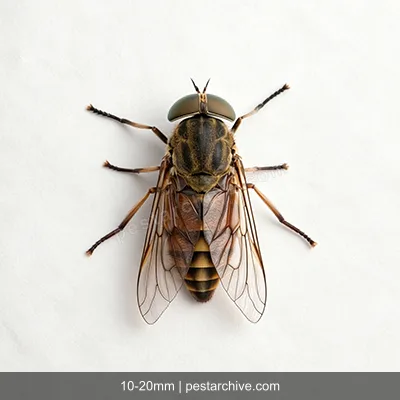
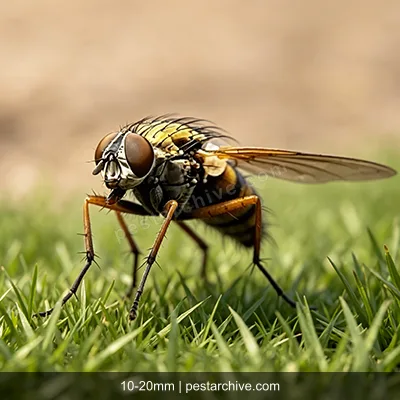
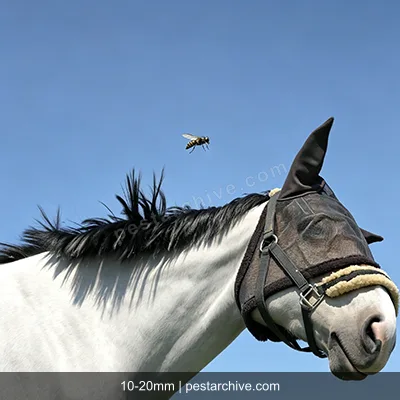
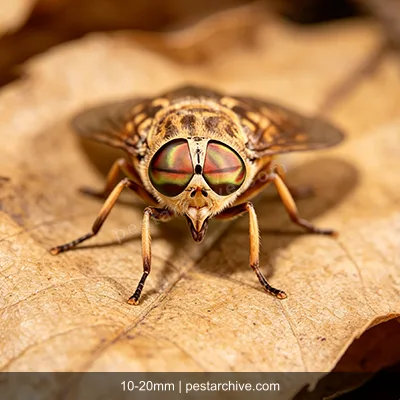
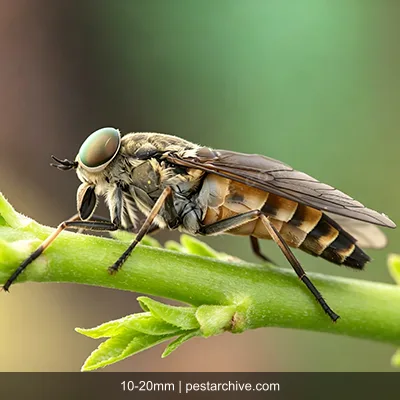
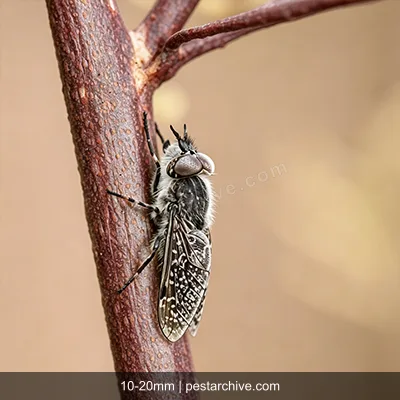
Do Horse Flies Spread Disease?
Horse flies can transmit diseases, but you need to distinguish between risks to livestock and risks to people. For people, the risk of wound infection from the bite far outweighs the risk of disease transmission:
Disease Transmission in Livestock
Horse flies are major pests on farms and ranches. Through their bites, they can spread diseases among cattle, horses, and other livestock:
- Anthrax: A horse fly bites an infected animal, picks up *Bacillus anthracis*, and transmits it when biting a healthy animal.
- Trypanosomiasis (surra): Spread by horse flies among camels, horses, and cattle.
- Tularemia (rabbit fever): Can be transmitted among animals.
Effects on People
In everyday residential settings, the risk of horse flies transmitting disease to people is extremely low. The main concerns for people are:
- The bite wound is sharply painful, followed by redness, swelling, and itching.
- If the wound is scratched open, secondary bacterial infection can develop, causing redness, heat, pain, and even pus.
- In rare cases, people with allergies may develop widespread swelling or a systemic allergic reaction.
How to Treat a Horse Fly Bite
- Wash the wound thoroughly with soap and water to reduce infection risk.
- Disinfect the area around the wound with iodine or rubbing alcohol.
- A cold compress can relieve swelling and pain.
- Avoid scratching. If the itching is severe, apply an anti-itch cream.
- If the wound develops pus, you get a fever, or there is extensive swelling, see a doctor promptly.