Does Dinotefuran Repel Horse Flies?
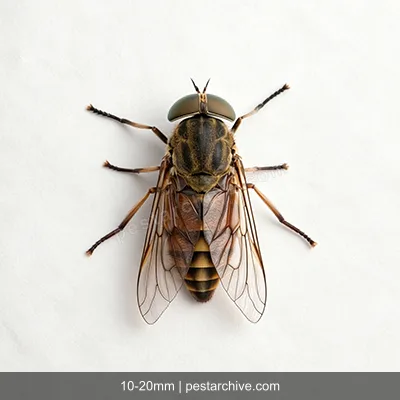
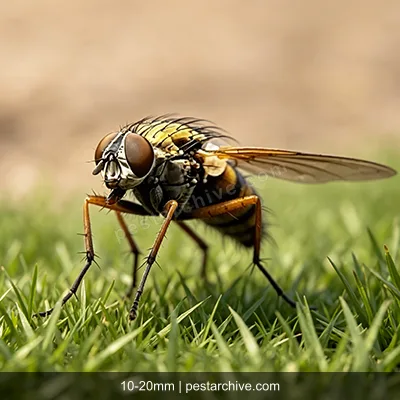
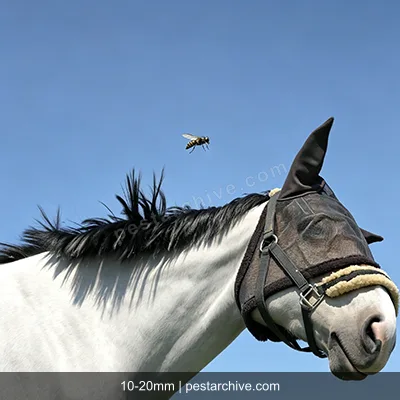
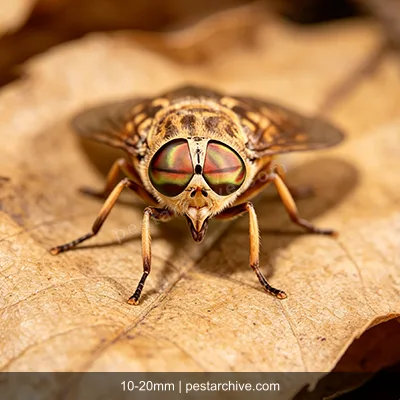
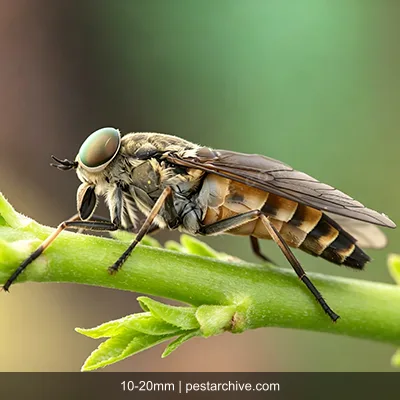
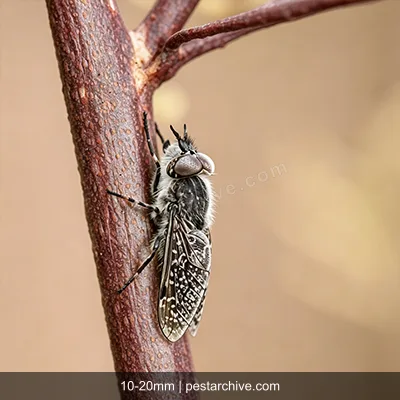
Horse Fly Bite vs. Bee Sting -- What's the Difference?
Both horse fly bites and bee stings hurt, but they are completely different types of injury and require completely different treatment. Here is a detailed comparison:
Different Injury Mechanism
- Horse fly bite: The horse fly's mouthparts are like tiny blades. It slices the skin open to create a wound, then laps up the blood that flows out. This is a "cut and feed" injury.
- Bee sting: A bee has a venomous stinger and venom sac at the tip of its abdomen. When it stings, the stinger pierces the skin and the venom sac contracts to pump venom in. The stinger and venom sac then detach and remain in the skin.
Different Pain Sensation
- Horse fly bite: Sharp, intense pain at the moment of the bite (like being cut with a blade), followed by ongoing stinging and burning that gradually spreads.
- Bee sting: A sudden, sharp, piercing pain followed by a burning sensation. Pain persists if the stinger is not removed and gradually eases once it is out.
Different Appearance
- Horse fly bite: Irregular wound (cut-like shape), surrounded by an area of redness and swelling. Sometimes a small blood scab is visible in the center.
- Bee sting: A small black dot at the center (stinger entry point). The area of redness and swelling is smaller but the pain is more concentrated. The stinger may be visible.
Treatment Is Completely Different
For a horse fly bite:
- Wash the wound with soap and water.
- Apply a cold compress or ice pack to reduce swelling and pain.
- Apply anti-itch cream.
- Don't scratch -- prevent secondary infection.
For a bee sting (critical steps):
- Scrape the stinger out as quickly as possible with a fingernail or a stiff card (don't pinch it with your fingers -- that squeezes more venom in).
- Wash the wound with soap and water.
- Apply a cold compress.
- If you are allergic to bee venom or develop systemic symptoms, seek medical attention immediately.
Special Note
- A horse fly bite does not inject venom. No special antivenom is needed.
- For a bee sting, if you develop extensive swelling, difficulty breathing, dizziness, or nausea (signs of an allergic reaction), go to the emergency room immediately.