How to prevent horse fly bites?
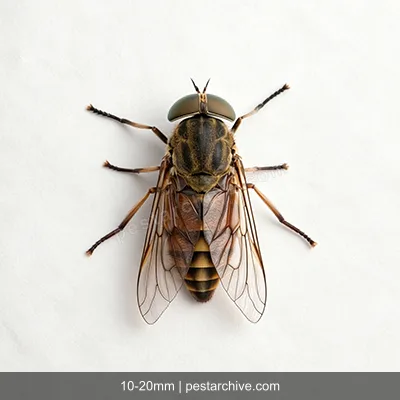
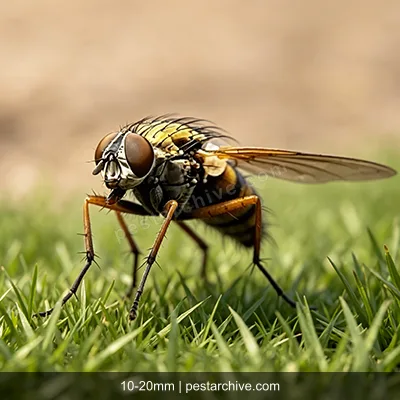
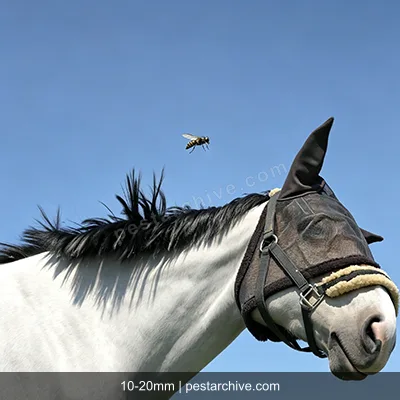
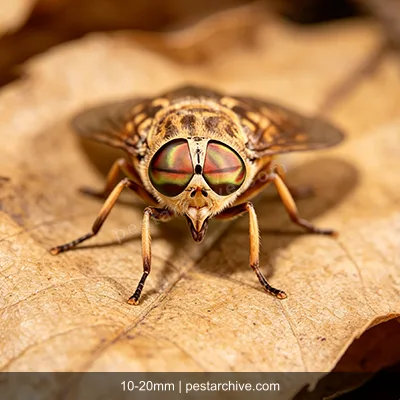
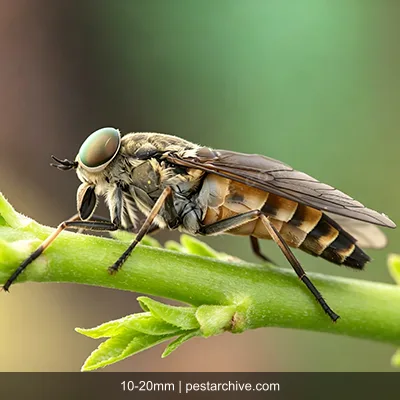
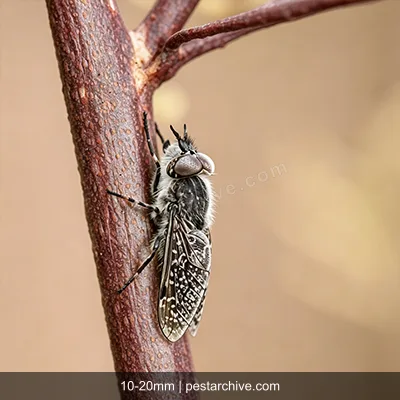
How to prevent horse fly bites?
Horse flies are large, fast, and their bites are painful; prevention is much more important than treatment. Proper protective measures during outdoor activities can greatly reduce the risk of being bitten.
Protective clothing
- Wear light-colored long sleeves and long pants — horse flies are more attracted to dark clothing.
- Tuck pants into socks to prevent flies from crawling up.
- A hat can protect the head and neck.
- Wear loose-fitting clothing; tight clothing can be bitten through.
Behavioral avoidance
- Horse flies are most active on sunny days, especially from 10 AM to 4 PM.
- Avoid areas near water bodies, pastures, and wetlands where densities are highest.
- They like to chase moving targets, so do not run or exercise vigorously in areas with many horse flies.
- Wipe off sweat promptly or rinse off, as sweat odor attracts them.
- Do not remain still for long periods in outdoor areas with high fly activity.
Repellents
- DEET-based repellents have some effect against horse flies.
- Apply to exposed skin and clothing surfaces.
- Effectiveness is lower than against mosquitoes, but still worth using.
- Natural repellents (lemon eucalyptus oil, citronella) have limited effect.
Yard protection
- Remove weeds around the house to reduce resting habitat.
- Fill in puddles and standing water, as larvae develop in moist soil near water.
- Spray areas around outdoor activity zones with household hygiene insecticide containing permethrin to kill resting flies.
- Install fans in outdoor seating areas; horse flies are not strong fliers and cannot approach in strong wind.