How to Clear Weeds to Prevent Thrips?
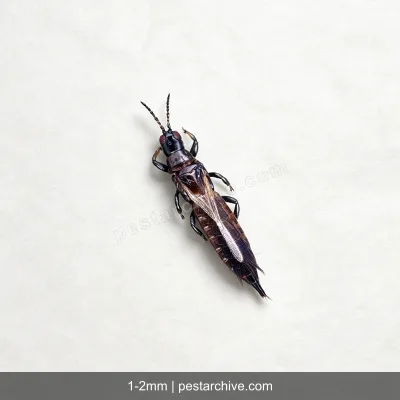
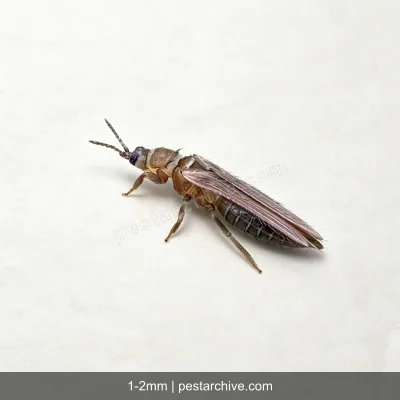
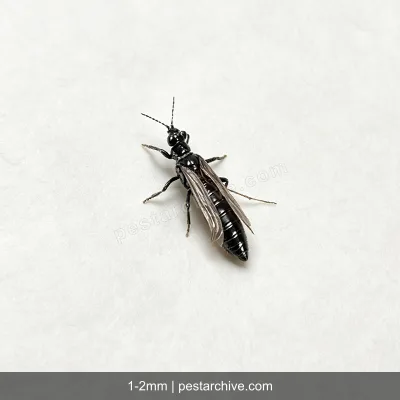
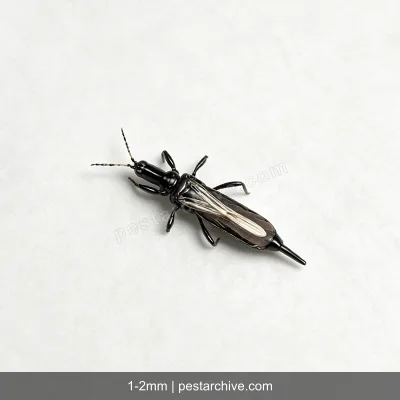
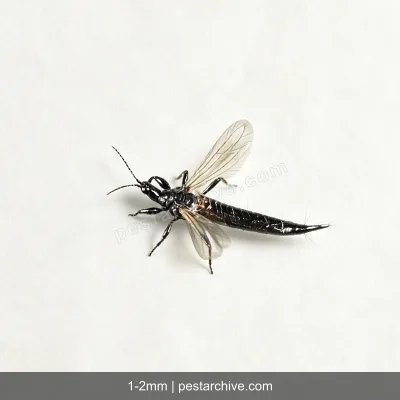
How to Remove Weeds to Prevent Thrips?
Weed removal is a critical but often overlooked step in thrips control. Thrips can live and reproduce on many types of weeds. Weeds serve as their "staging grounds" and "safe havens."
The Role of Weeds
- Staging grounds — Thrips first multiply on weeds. Once their numbers are high, they move onto your ornamental plants
- Safe havens — During spraying, thrips hide in weeds to survive. Once the insecticide wears off, they re-emerge
- Alternate hosts — With many weed species available, thrips can always find a suitable host
- Overwintering sites — In winter, weed roots and dead leaves are where thrips hide to survive the cold
Which Weeds Harbor Thrips?
- Common weeds like purslane, amaranth, and lamb's quarters
- Grass weeds (foxtail, goosegrass, etc.)
- Flowering weeds (dandelions, shepherd's purse, etc.) — flowers attract thrips
- Virtually any weed can potentially serve as a thrips host
How to Remove Them
- Regularly pull weeds from inside and around flower pots
- Pull weeds from balconies and gardens, roots and all
- Don't leave pruned diseased leaves and spent flowers in the pots
- Seal removed weeds and plant debris and dispose of them in an outdoor trash can
- Also trim weeds in the yard on a regular schedule
Build Good Habits
- Pull weeds from flower pots whenever you water
- Don't dump old potting soil just anywhere after repotting
- Keep planting areas clean and tidy
- Fewer weeds mean one fewer major breeding ground for thrips
- If you don't remove weeds, all the spraying in the world is just a band-aid — thrips will keep replenishing from the weeds onto your plants