Best Thrip Control Methods for Indoor Plants
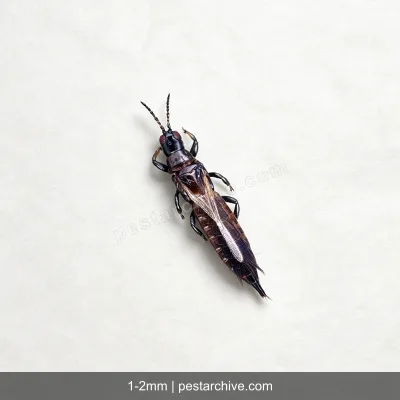
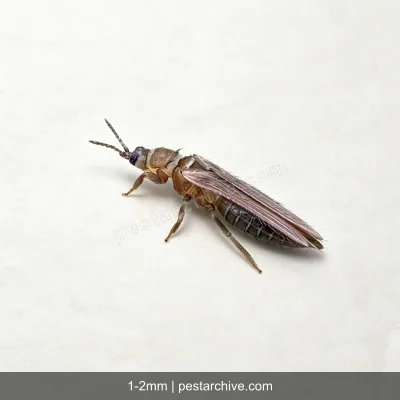
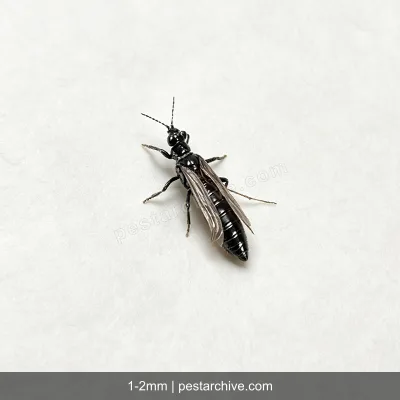
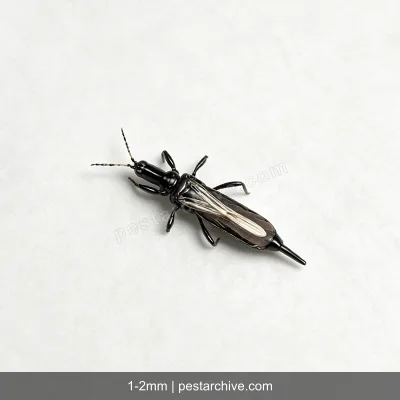
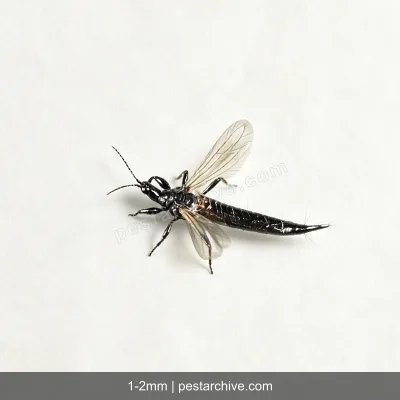
What Damage Do Thrips Cause?
Although thrips are tiny, the damage they cause to plants is significant. Here are the main types:
Leaf Damage
- Thrips use their rasping-sucking mouthparts to scrape the leaf surface and feed on the sap
- Affected leaves develop dense, tiny silvery-white speckles
- In severe cases, leaves turn brown, dry out, and curl
- Photosynthetic capacity declines, stunting plant growth
Flower Damage
- Petals rasped by thrips develop white or brown spots
- Flowers become distorted, discolored, and wilt prematurely
- Buds may fail to open properly
- The quality of ornamental plants (roses, orchids, etc.) is severely compromised
Plant Virus Transmission (Most Serious)
- Thrips are important vectors of plant viruses
- They can transmit over a dozen viruses, including Tomato spotted wilt virus and Tobacco ringspot virus
- Once a virus enters a plant, it cannot be cured with pesticides
- Infected plants must be uprooted and destroyed entirely
- This causes devastating damage to vegetables (tomatoes, peppers, eggplants) and flowers
Fruit Damage
- Fruit surfaces scraped by thrips develop scars and deformities
- Market value declines
- Peppers, eggplants, cucumbers, and other vegetables are particularly vulnerable
Why Control Matters
Controlling thrips isn't just about protecting leaves and flowers — it's about preventing virus transmission. The window for thrips control is narrow. Act immediately when you spot them.