How to control thrips?
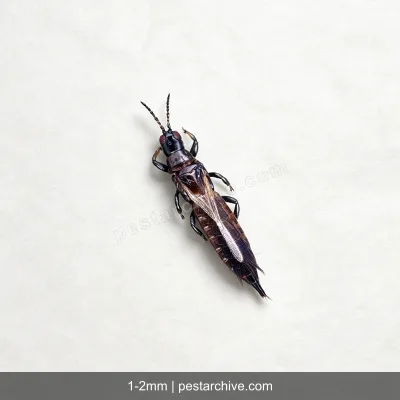
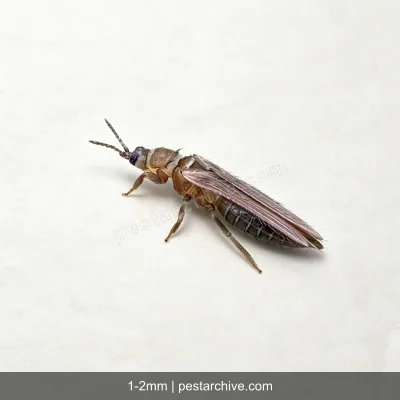
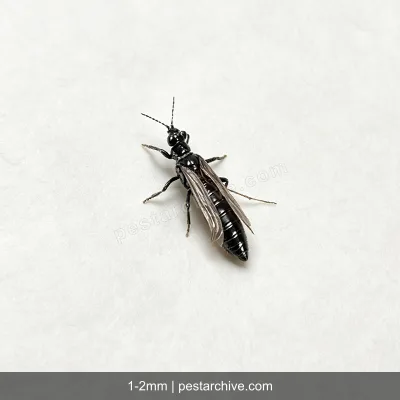
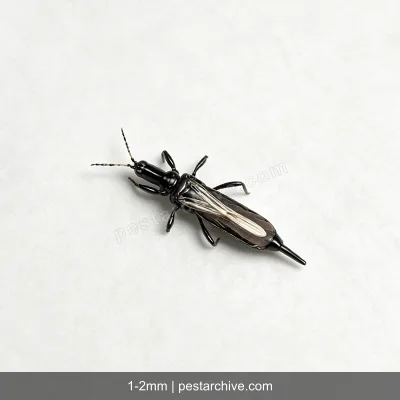
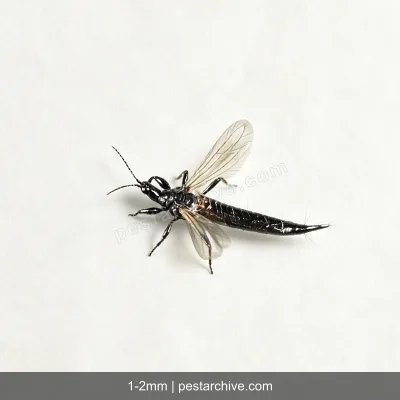
How to control thrips?
Thrips are small, hide deep, reproduce quickly (10-15 generations per year), and are prone to developing resistance. Control requires careful methods.
Chemical control (dinotefuran spray)
- Spray early morning or evening when thrips are most active for best results.
- Spray evenly on tender shoots, flower buds, blooms, and both sides of leaves.
- Spray deep into flower centers — thrips prefer hiding deep inside flowers.
- Spray leaf undersides thoroughly — thrips often hide there.
- Also spray the soil surface, as some thrips pupate in the soil.
- Spray every 7-10 days, 2-3 times consecutively.
Environmental cleaning
- Promptly prune faded flowers and old leaves to reduce thrips hiding places.
- Remove weeds and fallen leaves from pots.
- Seal and discard pruned diseased leaves and flowers; do not leave them in pots.
- Keep balconies and yards tidy.
Physical control
- Hang blue sticky traps — thrips are strongly attracted to blue.
- Blue sticky traps are more effective than yellow ones for thrips.
- Place traps above pots or near plants.
- Replace sticky traps regularly.
Isolation measures
- Quarantine new plants for 1-2 weeks to confirm they are thrips-free before placing them near other plants.
- Immediately isolate any plants found with thrips.
- If one pot has thrips, check and treat neighboring plants as well.