How to use dinotefuran-containing household insecticide spray against thrips?
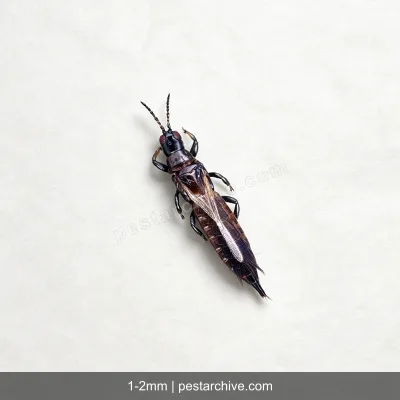
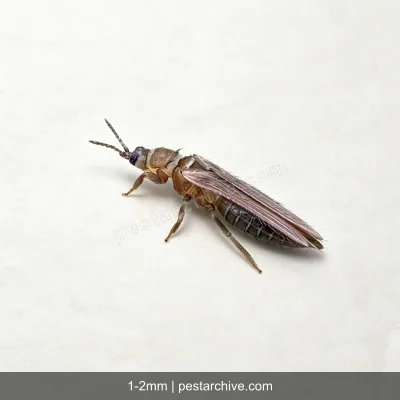
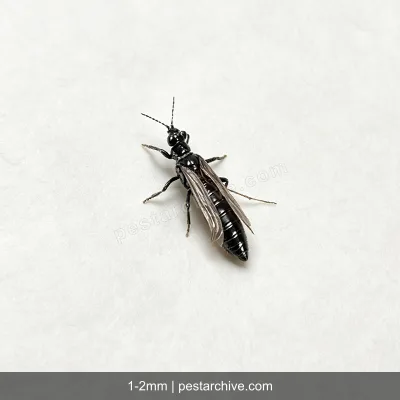
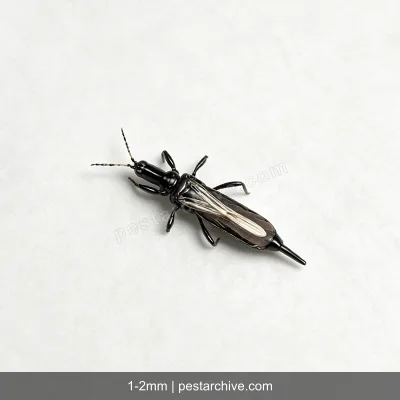
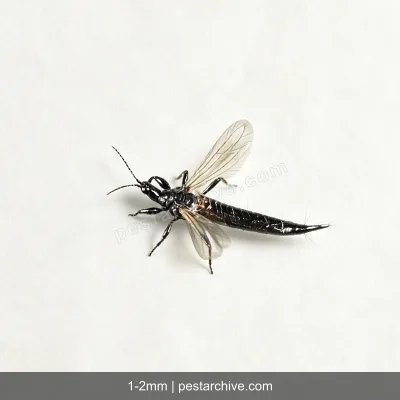
How to use dinotefuran-containing household insecticide spray against thrips?
Thrips hide deep inside flowers and tender leaf folds, making them hard to reach with ordinary spraying. Correct methods are needed:
Spray timing
- Early morning or evening is best — thrips are most active during these periods, emerging from hiding.
- Thrips avoid strong light; they hide during hot daytime hours, making spraying less effective.
- Choose windless days for spraying.
Spray locations (must be thorough)
- Flower centers — gently open flowers and spray deep into the center; this is where thrips prefer to hide.
- Tender shoots and new leaves — these are the primary feeding sites.
- Leaf undersides — always lift leaves and spray the undersides.
- Flower buds and sepals — spray between bracts and sepals.
- Soil surface — some thrips larvae pupate in the soil.
Application frequency
- Spray every 7-10 days.
- Continue for 2-3 applications to cover the entire life cycle.
- One spray is rarely enough due to rapid reproduction.
Complementary measures
- Remove severely damaged flowers and leaves before spraying.
- Combine with blue sticky traps for better results.
- Combine dinotefuran with water management and weed removal for long-term control.