Rat Traps vs. Poison: Which Is Better?
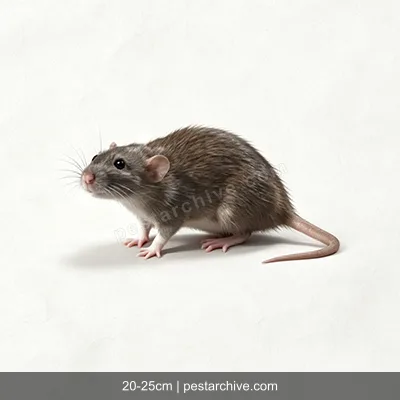
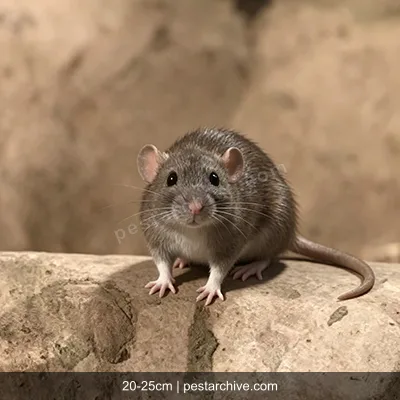
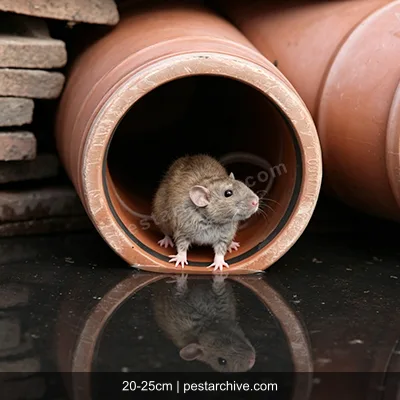
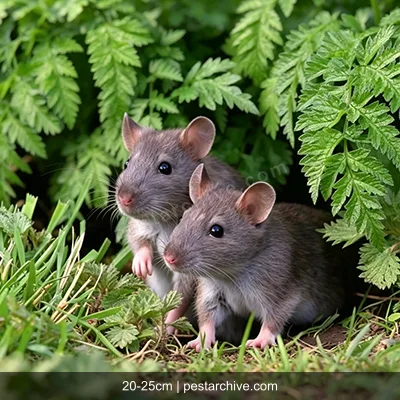
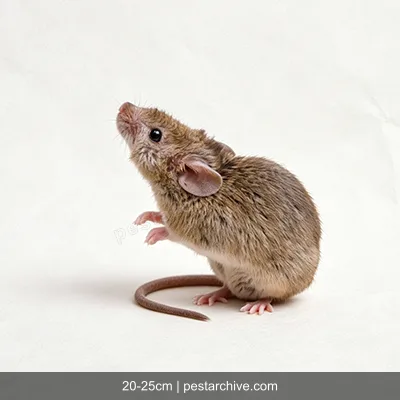

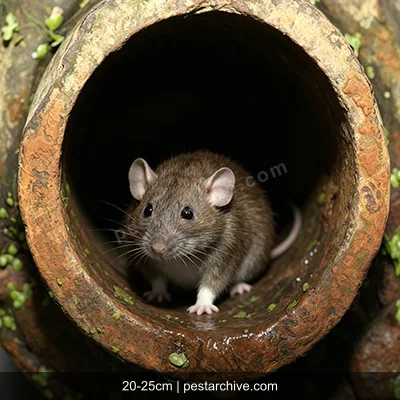
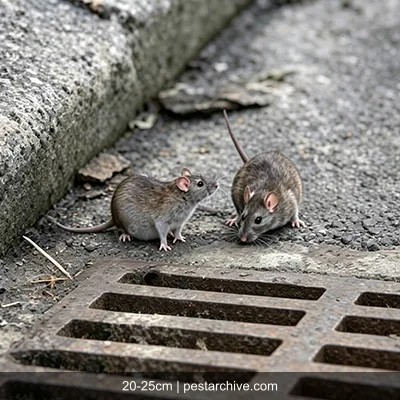
When you discover rats in your home, the first question is usually: should I use traps or poison? The answer depends on where the rats are, how many there are, and whether children or pets live in the household. In most residential situations, traps are superior — and poison carries serious risks that most homeowners underestimate.
### Snap Traps: Pros and Cons
Advantages:
- Immediate kill. The rat dies instantly — no prolonged suffering.
- No odor from hidden carcasses. You find and remove the dead rat the same day.
- No secondary poisoning risk. A pet that finds a dead trapped rat is not harmed (unlike poison, where a pet eating a poisoned rat can be killed by the residual toxin).
- Visible results. Each trapped rat confirms progress — you know exactly how many you have killed.
- Low cost. Snap traps cost $1–3 each and can be reused.
Disadvantages:
- Requires skillful placement. Traps must be set along travel routes with correct orientation and bait.
- Neophobia. Rats avoid unfamiliar objects for days. Multiple traps set simultaneously reduce this avoidance.
- Labor-intensive. You must check, re-bait, and reset traps daily.
- Emotional discomfort. Some people find disposing of dead rats unpleasant.
### Poison (Rodenticides): Pros and Cons
Advantages:
- Can kill multiple rats from a single bait station. One rat eats the bait and dies; other rats may also feed from the same station.
- Less daily effort. Bait stations need checking every 2–3 days rather than daily.
- Effective for large outdoor populations. In agricultural and commercial settings with dozens of rats, poison deployed by professionals can reduce populations faster than trapping.
Disadvantages — and these are serious:
- Hidden death. Poisoned rats typically die 3–5 days after ingestion, often in inaccessible locations — inside walls, under insulation, in crawl spaces, or in ceiling voids. The decomposing carcass produces intense odor for 2–4 weeks and attracts flies, carpet beetles, and other secondary pests that feed on the remains.
- Secondary poisoning. A dog, cat, or wild predator that eats a poisoned rat (or the bait directly) can be fatally poisoned. Second-generation anticoagulants (brodifacoum, bromadiolone, difethialone) are particularly dangerous — a single feeding can kill a pet.
- Non-target exposure. Children can access improperly placed bait stations. EPA data documents hundreds of childhood rodenticide exposures per year in the U.S.
- Environmental harm. Rodenticides enter the food chain through prey species. EPA has restricted outdoor use of second-generation anticoagulants to licensed professionals precisely because of documented harm to birds of prey, foxes, and other wildlife.
- Resistance. Some rat populations have developed genetic resistance to first-generation anticoagulants (warfarin, chlorophacinone), rendering those products ineffective.
- Does not address the root cause. Poison kills existing rats but does not seal entry points or remove food sources — new rats will enter and replace the dead ones.
### The Verdict: Traps for Homes, Poison Only for Professionals Outdoors
| Situation | Recommended Method | Reason |
|-----------|-------------------|--------|
| Rats inside a home | Snap traps | No hidden carcasses, no secondary poisoning, visible progress tracking |
| Rats in an accessible garage/shed | Snap traps | Same reasons; easy to check and remove dead rats |
| Large outdoor population (farm/commercial) | Professional rodenticide program | Scale demands professional deployment with EPA-compliant bait stations |
| Household with children or pets | Snap traps only | Zero secondary poisoning risk |
| Multi-unit apartment building | Coordinated trapping + professional exclusion | Building-wide approach; avoid poison in shared walls |
| Rats dying in walls/ceilings (already poisoned) | Wait for decomposition (2–4 weeks) + odor management | No safe way to remove a carcass inside a wall; seal entry and trap survivors |
### Best Practices for Trapping
- Set 6–10 traps at once to overcome neophobia.
- Place traps along walls with the bait end toward the wall.
- Use peanut butter, bacon, or chocolate as bait — match what rats are eating in your home.
- Pre-bait for 2–3 days: place unset traps with bait so rats learn to feed from them, then set all traps simultaneously on day
- This dramatically increases catch rates.
- Check daily; remove and dispose of dead rats in sealed bags.
### If You Must Use Poison (Outdoor, Professional Context Only)
- Use only EPA-registered rodenticides in tamper-resistant bait stations.
- Never place bait stations where children, pets, or wildlife can access them.
- Use first-generation anticoagulants (warfarin, chlorophacinone) where resistance is not documented — they require multiple feedings and have lower secondary-poisoning risk than second-generation products.
- Check bait stations every 2–3 days and remove carcasses found nearby.
- Follow all label directions exactly — illegal use of rodenticides carries legal penalties.