How to Get Rid of Rats: Norway Rat Control Guide
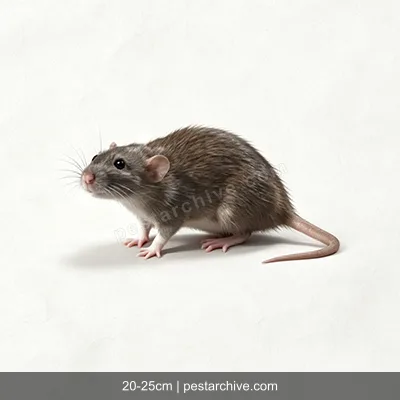

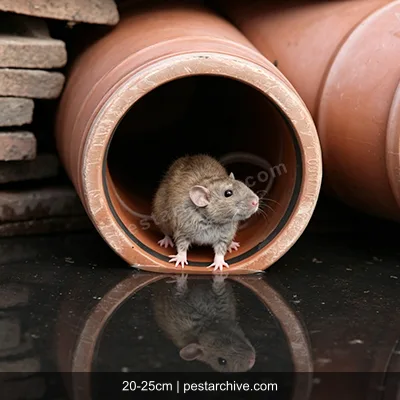
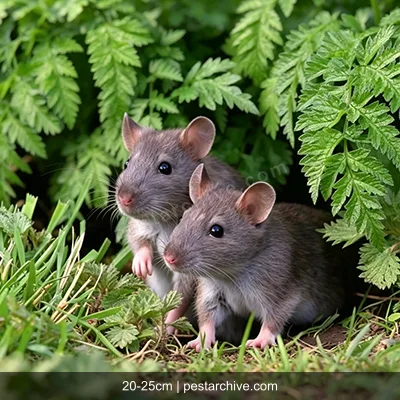
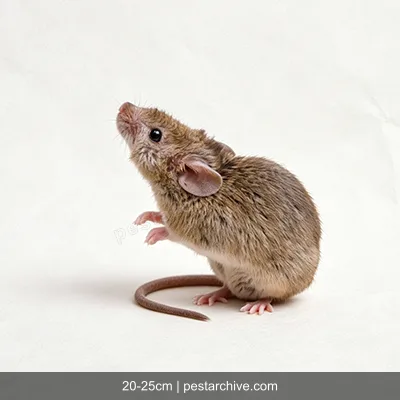

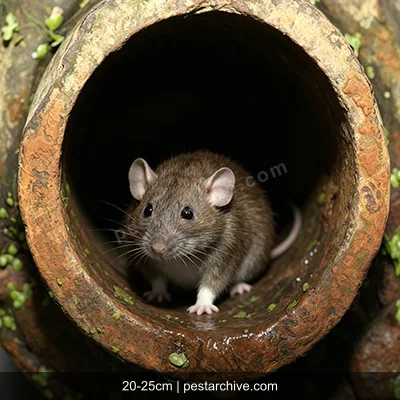
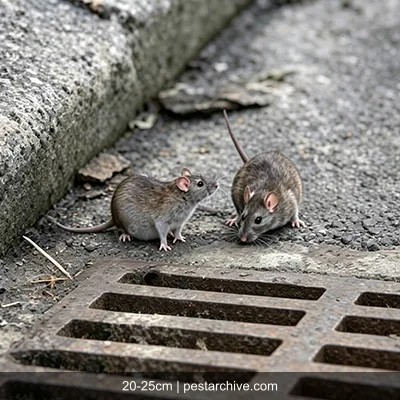
Norway Rats (*Rattus norvegicus*) — also called brown rats, sewer rats, or wharf rats — are the most common rat species infesting homes worldwide. Weighing up to 500 g with a body length of 20–25 cm (plus a scaly tail nearly as long), they are burrowing rodents that favor ground-level entry: crawl spaces, basements, garages, sewer lines, and foundation gaps.
A single Norway Rat colony can produce 40–60 offspring per year. They gnaw through wood, plastic, soft metals, and even concrete. They contaminate food with urine and feces, spread leptospirosis, salmonellosis, and hantavirus, and their constant gnawing causes electrical fires when they chew through wiring.
Getting rid of them requires a three-phase approach in this specific order: exclude → trap → maintain.
### Phase 1: Exclusion — Seal Every Entry Point (Do This FIRST)
Trapping rats while they still have open entryways is pointless — new rats will replace every one you catch. Begin by finding and sealing every gap ½ inch (1.3 cm) or larger:
- Foundation cracks and gaps — fill with concrete, mortar, or copper mesh stuffed tightly into the hole then sealed with caulk. Do not use expanding foam alone — rats gnaw through it.
- Pipe and utility penetrations — where plumbing, gas lines, and cables enter walls, seal gaps with copper mesh and caulking.
- Door sweeps — install metal door sweeps on exterior doors and garage doors; gaps under doors are the #1 entry route.
- Vent covers — cap crawl-space vents, attic vents, and dryer vents with rat-proof metal screening (¼-inch hardware cloth).
- Garage — seal the gap between the garage door and the floor; check side seals.
- Roof and eaves — while Norway Rats prefer ground entry, they will climb pipes and vines to enter through gaps at roof lines if ground options are blocked.
Inspect at night with a flashlight — you may see rats actively using entry points, which makes identification easier.
### Phase 2: Trapping — Kill the Rats Already Inside
Once all entry points are sealed, trap the rats trapped indoors:
Snap traps (the most effective and humane kill method):
- Use wooden or plastic snap traps sized for rats (not mouse traps — they are too small).
- Bait with what rats are currently eating in your home — peanut butter, bacon, chocolate, or dried fruit work well.
- Place traps along walls where rats travel (they navigate by keeping one side against a wall). Set the trap with the bait end closest to the wall.
- Set 6–10 traps at once — rats are cautious of new objects (neophobia) and may avoid a single unfamiliar trap for days. Multiple traps appearing simultaneously reduces avoidance.
- Check traps daily and re-bait as needed. Dispose of dead rats in sealed plastic bags in outdoor trash. Wear gloves — never handle dead rats bare-handed.
Do NOT use glue boards for rats. They are inhumane, ineffective for large rodents, and a trapped rat can drag the board around your house for days.
Do NOT use poison indoors (see our Rat Traps vs. Poison guide for details). Poisoned rats die in walls, ceilings, and crawl spaces, creating odor and secondary pest problems (flies, carpet beetles feeding on the carcass). Poison also risks accidental exposure to children, pets, and wildlife.
### Phase 3: Maintenance — Deny Food and Harborage
Rats need three things: entry, food, and shelter. You have blocked entry. Now remove the other two:
Food denial:
- Store all pantry food in sealed containers — rats gnaw through cardboard and thin plastic bags.
- Keep garbage in metal or heavy-duty plastic cans with tight lids.
- Clean up fallen birdseed, pet food, and compost spills outdoors.
- Pick up fruit and vegetables fallen in the yard.
- Do not leave pet food out overnight.
Harborage denial:
- Clear clutter in basements, crawl spaces, garages, and storage areas — rats nest in undisturbed piles of boxes, bags, and debris.
- Trim vegetation at least 18 inches away from the foundation — overgrown shrubs provide cover for burrowing.
- Stack firewood at least 18 inches off the ground and 12 inches from walls.
- Fill existing burrows with soil and compact firmly; monitor for reopening (sign of continued activity).
### When to Call a Professional
Contact a licensed pest management professional if:
- You find more than 6–8 rats in initial trapping — a larger colony requires professional-scale intervention.
- Rats are in walls, ceilings, or inaccessible crawl spaces where traps cannot be placed.
- You cannot locate or seal all entry points — professionals use tracking powder and camera inspections to find hidden access.
- The infestation is in a multi-unit building — coordinated building-wide treatment is essential.