How to maintain the yard to prevent stink bugs?
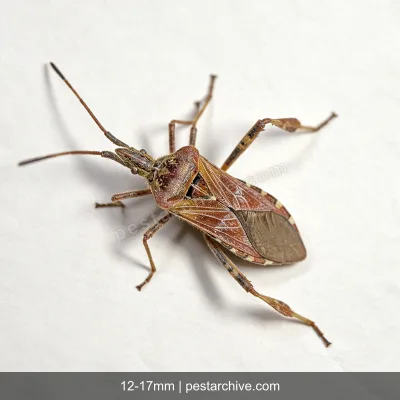
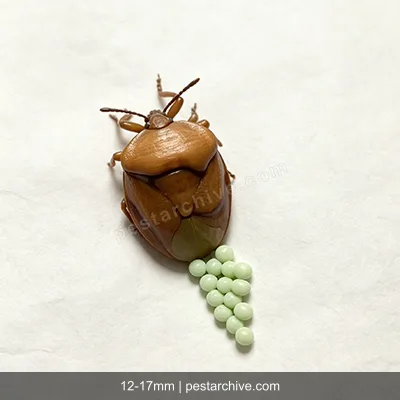
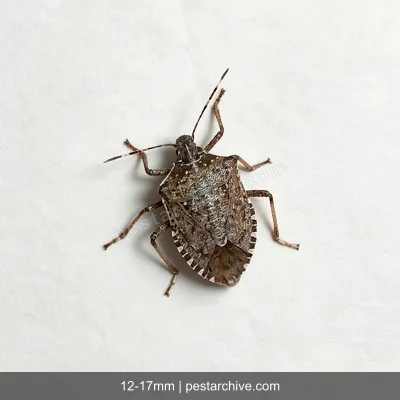
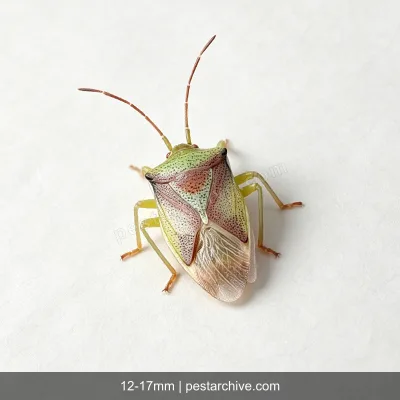
How to maintain the yard to prevent stink bugs?
Weeds, shrubs, and trees in the yard are the primary habitats for stink bugs. Proper yard maintenance reduces their numbers at the source and prevents them from entering the house to overwinter.
Yard maintenance key points
- Remove weeds — weed patches in yard corners are where stink bugs hide during the day; regular weeding reduces habitat.
- Trim shrubs — keep shrubs and climbing plants near walls from becoming too dense, reducing stink bug activity density.
- Clear leaf litter — sweep up dead leaves and twigs, especially along walls and fences, to eliminate overwintering sites.
- Fruit tree management — if stink bugs are found on fruit trees, promptly remove infested fruits and prune infested branches to reduce breeding sources.
Chemical control
- In autumn, spray dinotefuran-containing household insecticide on yard fences, wall bases, and tree trunks.
- Focus on areas below window sills and beside door frames on exterior walls to form a protective band.
- Also spray around tool sheds and storage structures in the yard.
- When temperatures drop in late autumn and stink bugs begin seeking overwintering sites, this is the best time for yard chemical treatment.
Physical barriers
- Wrap sticky insect tape around fruit tree trunks to prevent stink bugs from climbing up; this is most effective in autumn (September-October).
- Surround vegetable beds with fine insect-proof netting.
- Cover compost bins in the yard to avoid attracting stink bugs.
Preventing stink bugs from entering the house
The ultimate goal of yard cleaning and chemical control is to prevent stink bugs from entering the house in late autumn. In addition to yard treatment, inspect exterior wall gaps and window frame seals, and fill any cracks promptly. A clean yard naturally results in fewer stink bugs entering.