What harm do stink bugs cause?
What harm do stink bugs cause?
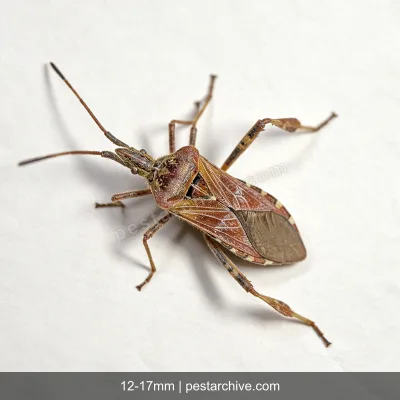
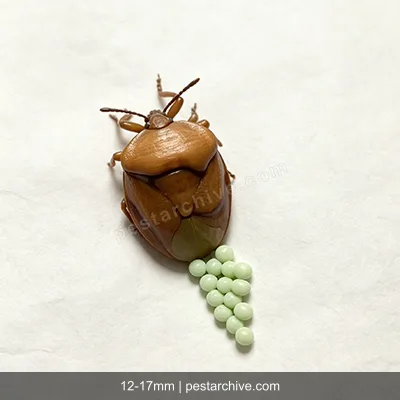
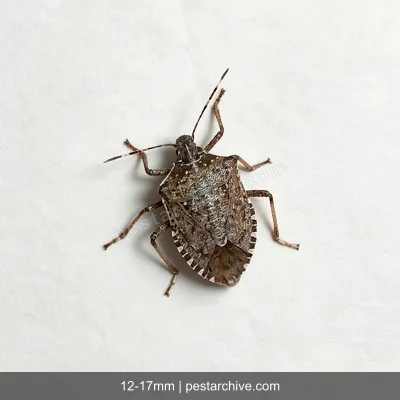
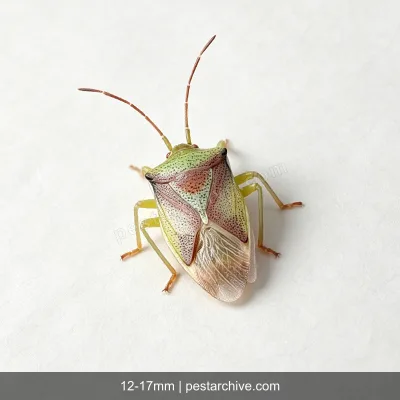
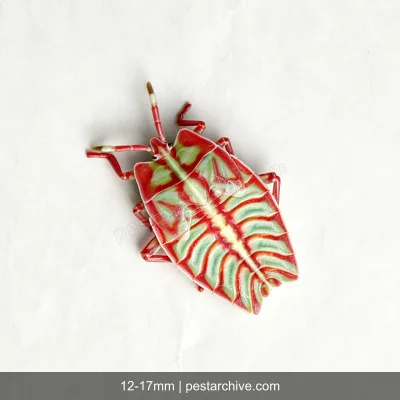
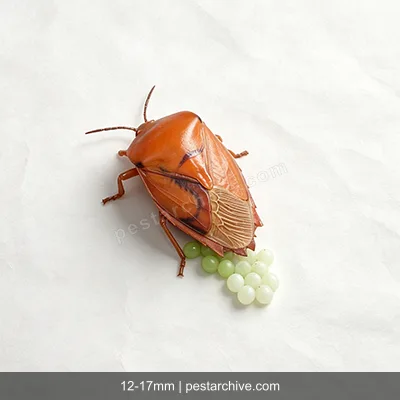
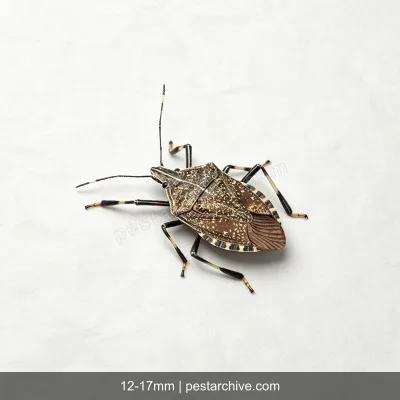
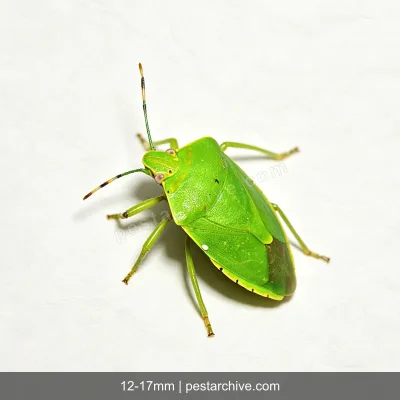
Stink bugs (true bugs, family Pentatomidae), about 1-2 cm long with shield-shaped backs, cause varying degrees of harm to both plants and humans. Understanding these harms helps you take control seriously.
Harm to plants
- Stink bugs use piercing-sucking mouthparts to insert into tender stems, leaves, and fruits to feed on sap.
- Damaged leaves develop yellowish-white spots; severe cases cause curling and withering.
- Fruit becomes deformed, hardened, and pitted after feeding, losing commercial value.
- Fruit trees (e.g., lychee, longan, citrus) suffer most severely, with yield losses of 20-50% in severe cases.
- Ornamental plants grow poorly after stink bug feeding, reducing their aesthetic value.
- Stink bugs produce 1-2 generations per year, with peak damage in spring and summer.
Harm to humans
- Irritating odor — when threatened, stink bugs release a foul-smelling liquid from their abdomen, resembling a mix of rotten cilantro and chemicals. The smell lingers on skin for a long time.
- Skin irritation — the liquid may cause yellow staining, a burning sensation, and in sensitive individuals, redness and blisters.
- Eye irritation — if the liquid gets into the eyes, it causes severe stinging and tearing; rinse immediately with water.
- Clothing contamination — stink bugs crawling or laying eggs on drying clothes leave yellow-brown stains and odors.
Impact on the living environment
- In late autumn, large numbers of stink bugs seek shelter indoors, resting on curtains, walls, and ceilings.
- Dead bodies attract other pests; if not cleaned promptly, small flies may breed.
- They leave crawling trails on walls, affecting appearance.
Focus of stink bug control
Because stink bugs fly, they are harder to control than crawling pests. The most effective method is sealing gaps to prevent entry, combined with dinotefuran-containing household insecticide applied as a protective barrier on door and window frames.