How to deal with inchworms on balcony potted plants?
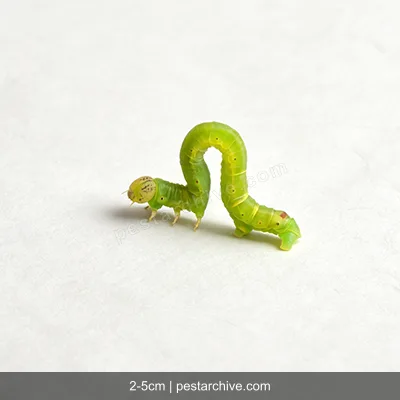
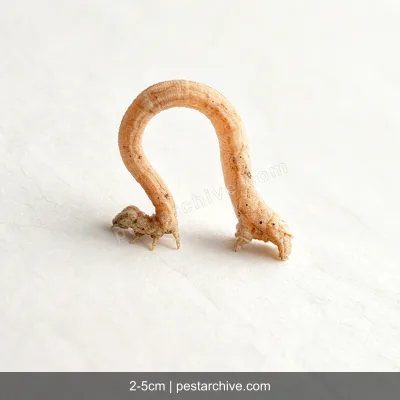
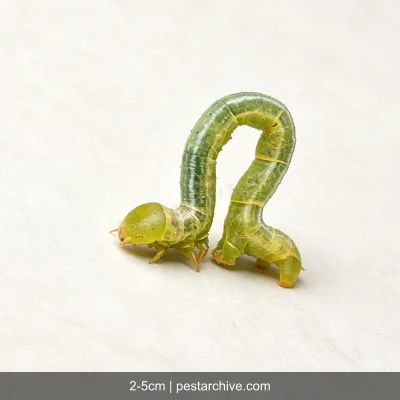
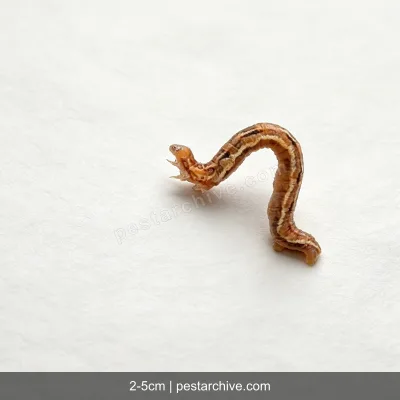
How to deal with inchworms on balcony potted plants?
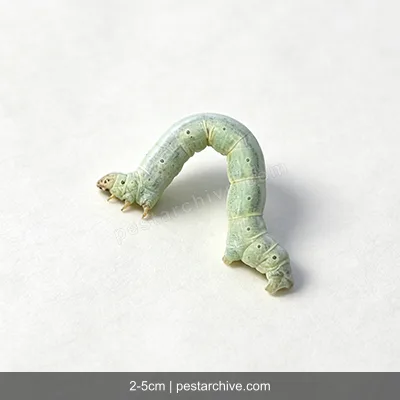
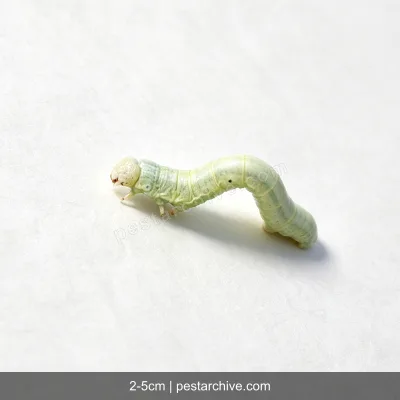
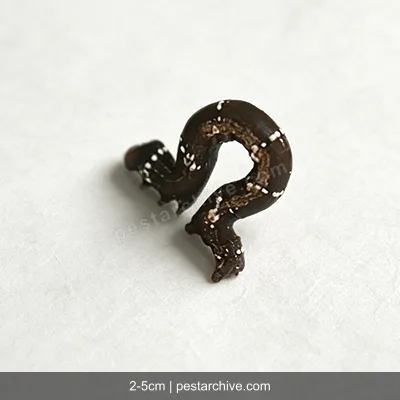
Inchworms on balcony potted plants are much easier to manage than on large outdoor trees because the plants are small and accessible. Inchworms on balconies usually come from two sources: either moths flew in and laid eggs on the plants, or inchworms from trees below were blown onto the balcony by wind.
Step 1: Manual removal
- Carefully inspect every leaf and branch for inchworms resting on the leaves.
- Pick them off by hand (inchworms do not bite; you can handle them safely).
- Check branches and leaf undersides for eggs or newly hatched larvae.
- Remove leaves with egg masses directly.
Step 2: Prune damaged branches
- If a branch has severe leaf damage, cut it off.
- Place pruned branches and insects in a sealed bag and discard.
Step 3: Spray treatment
- Spray dinotefuran-containing household insecticide on both sides of all leaves on the plant.
- Also spray the soil surface to prevent fallen larvae from climbing back up.
- Spray the pot tray and surrounding countertops as well.
- Since the balcony is a small space, be careful not to spray on drying clothes or food.
Step 4: Follow-up observation
- Observe for a few days after spraying to see if any live insects remain.
- If any are missed, manually remove them.
- If insects are still present after 7-10 days, reapply once more.
Preventive measures
- Install screens on balcony windows to prevent adult moths from flying in and laying eggs.
- Inspect new plants before bringing them onto the balcony.
- Regularly check leaf undersides for early detection.