What Harm Do Inchworm Adults and Larvae Cause?
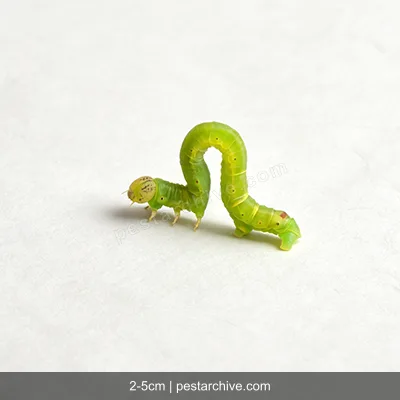
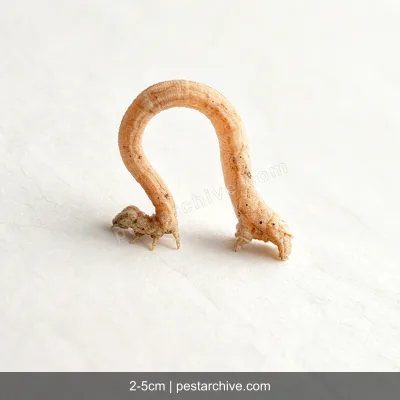
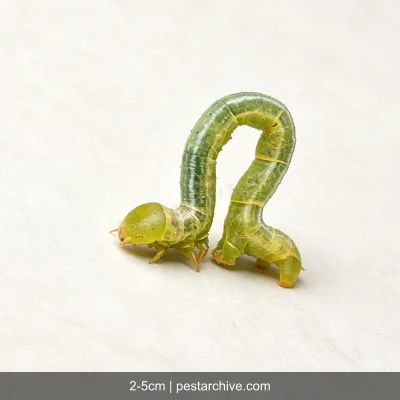
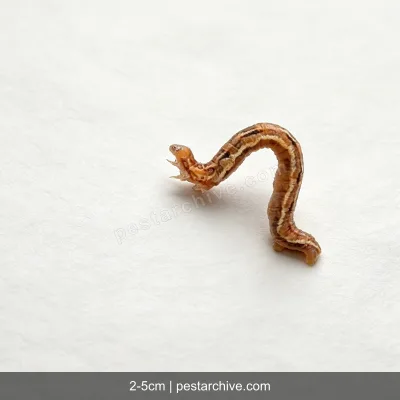
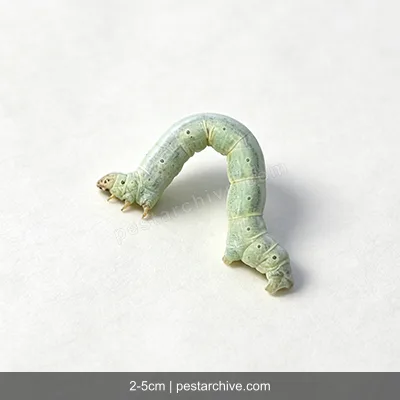
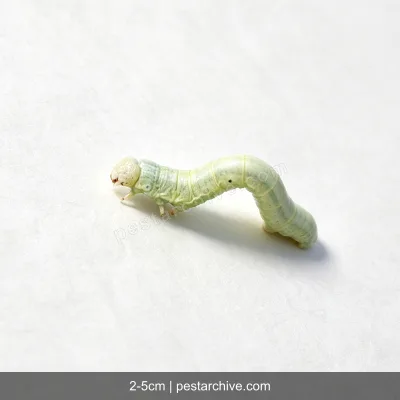
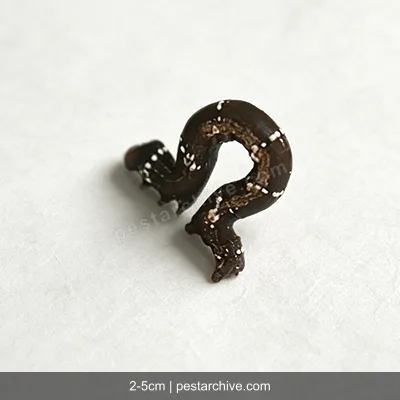
What Damage Do Inchworm Larvae and Adults Cause?
The damage from inchworms is mainly caused by the larvae. Adults cause little to no direct plant damage.
Larval Damage (Primary Concern)
Inchworm larvae are voracious leaf-eating pests. The damage is significant:
- Heavy leaf consumption — Larvae feed constantly throughout the day. One can eat 30-50 leaves in its lifetime
- Stripping the canopy — During outbreaks, they can strip an entire tree bare in 3-5 days
- Stunted growth — Without leaves, trees can't photosynthesize. Growth is stunted
- Reduced fruit yield — When fruit tree leaves are stripped, fruit development is poor. Both yield and quality suffer
- Weakened trees — Trees suffering severe damage for several consecutive years may die
Commonly Affected Trees
- Fruit trees: jujube, persimmon, apple, pear, peach
- Street trees: sycamore, pagoda tree, ash, golden rain tree
- Ornamental trees: cherry blossom, crape myrtle, crabapple
Adult Damage (Indirect)
- Geometrid moths themselves don't directly eat plants (adults don't feed or only sip nectar)
- However, female moths lay large numbers of eggs — up to several hundred per female
- More eggs mean more larvae the following year
- So controlling adult numbers indirectly reduces larval damage
Outbreak Characteristics
Inchworm outbreaks are cyclical. Some years are mild, but sudden large outbreaks can occur after mild winters (high overwintering egg survival) or during dry springs. Once an outbreak starts, it spreads rapidly and requires prompt control.