How to control inchworms?
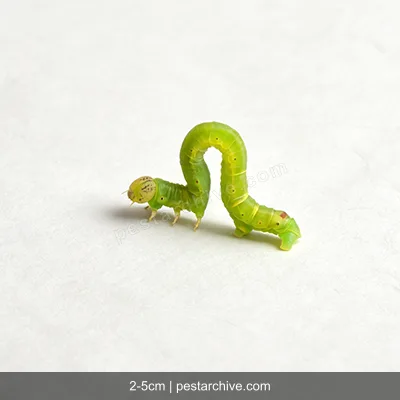
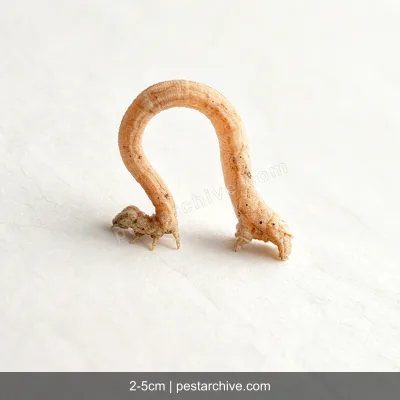
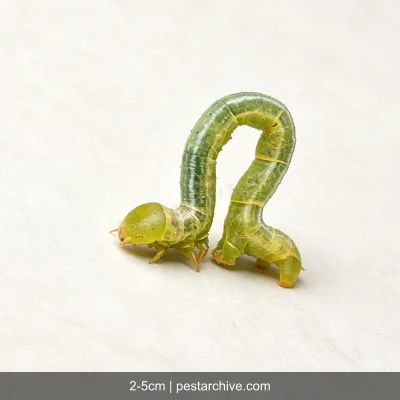
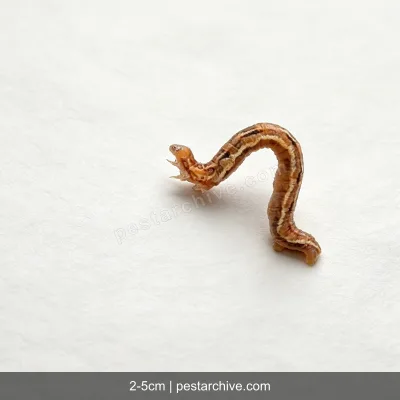
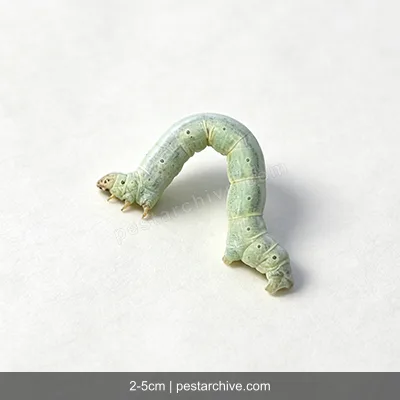
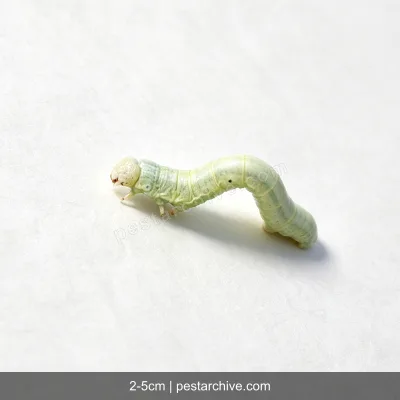
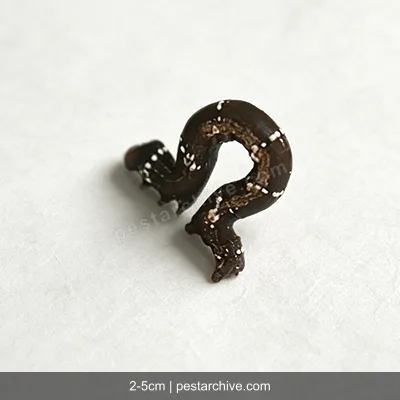
How to control inchworms?
Inchworm control methods include manual removal, chemical control, and physical control. Choose the appropriate method based on tree size and infestation severity.
Manual control (suitable for small trees and light infestations)
- Shake and catch — inchworms drop down on silk threads when disturbed. Spread a cloth under the tree, shake the branches, and collect the fallen worms. Early morning or evening is more effective, as they are less active and less likely to escape.
- Prune infested branches — cut off branches with dense insect clusters and destroy them.
- Scrape egg masses — in autumn and winter, check bark crevices and scrape off overwintering egg masses.
Chemical control (for large areas and severe infestations)
- Early instar stage (before 3rd instar, body length under 1 cm) is the best time to spray — at this stage, larvae have thin cuticles and small appetites, making them most sensitive to insecticides. By the 4th-5th instar (2-3 cm), their resistance increases significantly, and their feeding damage has already occurred.
- Spray dinotefuran-containing household insecticide evenly on both sides of leaves.
- Focus on leaf undersides where larvae often hide.
- Also spray trunks and the ground under trees to kill larvae that fall off and try to climb back up.
- Spray as soon as infestation is detected — don't wait until leaves are completely eaten.
Physical control
- Light trapping — adult moths (geometrids) are phototactic; use blacklight or bug zappers at night to trap them.
- Sticky barrier bands — apply sticky insect glue in a ring around the trunk to prevent larvae from climbing from the ground into the canopy.
Control on landscape trees
For tall trees that are difficult to treat with household equipment, hire a professional tree care company with specialized spraying equipment.