How to Get Rid of Inchworms on Plants?
What Are the Worms Hanging from Trees by Silk Threads?
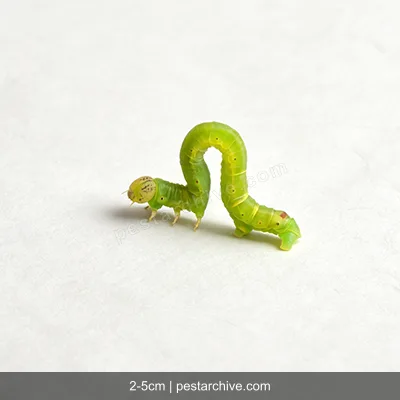
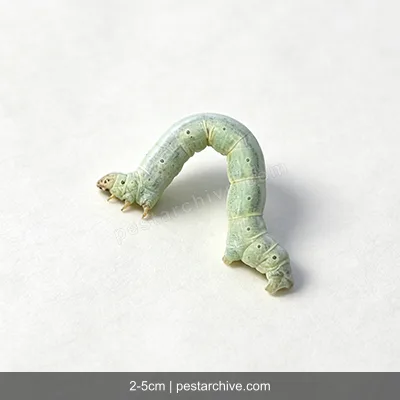
Those are inchworms, the larvae of geometrid moths. Their crawling motion is very distinctive — they arch their bodies up in a loop and then stretch forward, looking like they're measuring the distance, which is why they're called "inchworms" or "loopers." Spring through early summer (April-June) is peak inchworm season, when you're most likely to encounter them under trees.
What Do Inchworms Look Like?
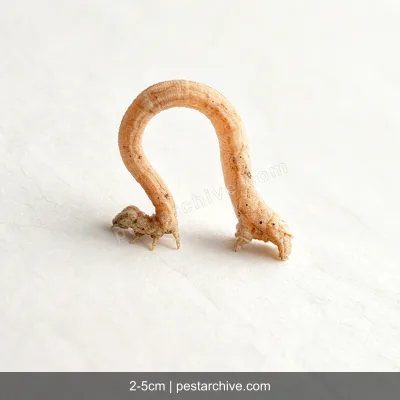
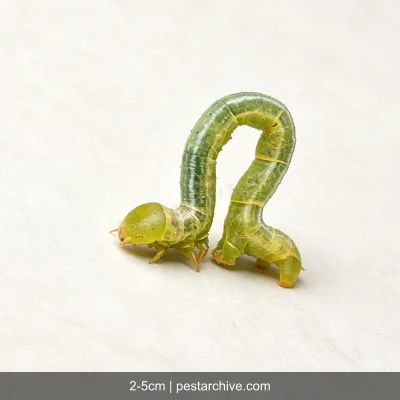
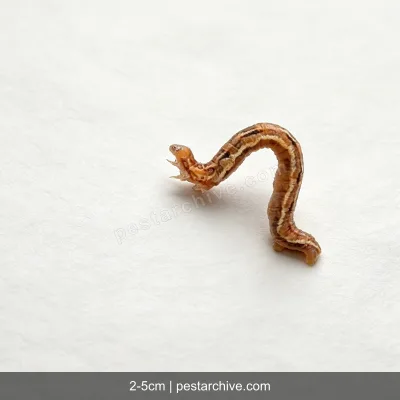
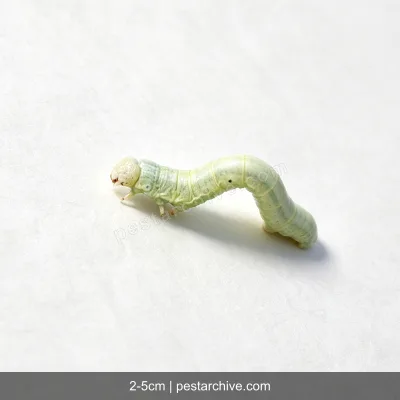
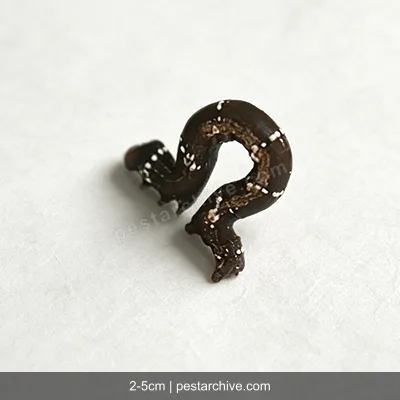
- Body slender (2-5 cm long), resembling a small twig
- Color typically matches twigs or leaves (green, brown, gray)
- Only two pairs of prolegs (one at the rear end and one near the front). No legs in the middle
- When crawling, the body arches up into an "omega" shape, then stretches forward — like it's "measuring"
- When resting, it anchors one end and extends its body at an angle, looking exactly like a small twig (mimicry)
Why Do They Hang from Silk Threads?
- When startled, inchworms drop from the tree on a silk thread and dangle in mid-air
- This is a defense mechanism — when threatened, they "bail out" and escape
- Once the danger passes, they climb back up the silk thread
- Sometimes the wind blows them to a different location
Inchworm Damage
- Inchworms are leaf-eating pests. They eat tree leaves
- They have a big appetite. A single larva can eat several leaves a day. During outbreaks, they can strip an entire tree bare in just 2-3 days
- They prefer tender leaves of fruit trees (jujube, persimmon, apple, etc.) and street trees (sycamore, pagoda tree, etc.)
- When leaves are stripped bare, trees can't photosynthesize, leading to stunted growth, poor fruit development, or even complete crop failure. Two consecutive years of severe defoliation can kill branches