What to do if termite mud tubes are found in the house?
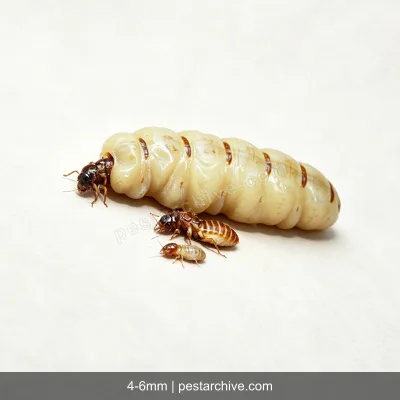
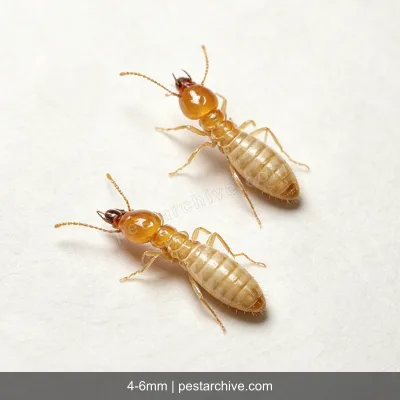
What to do if termite mud tubes are found in the house?
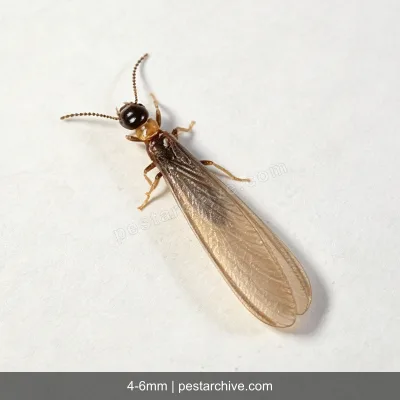
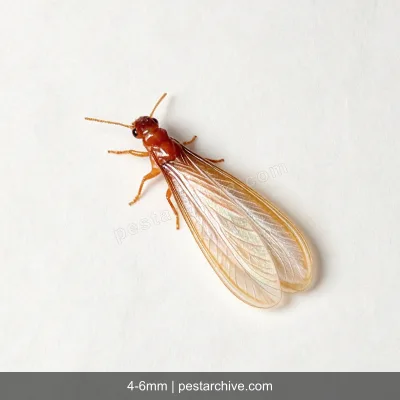
Mud tubes (shelter tubes) are small mud tunnels about 3-5 mm wide built by termites on walls or wood. Termites hide inside them to move around and transport food. Finding mud tubes indicates termite activity, but many people's first reaction is incorrect.
What NOT to do when finding mud tubes
- ✗ Do not scrape them off immediately — this disturbs termites and causes them to build new routes, making treatment harder to locate.
- ✗ Do not spray ordinary insecticides — they will scatter the termites, which may move elsewhere and continue causing damage.
- ✗ Do not wash them away with water — water will not eliminate them and may cause them to spread.
Correct treatment steps
Step 1: Determine if the tube is active
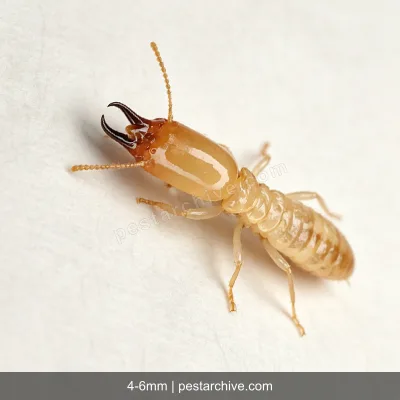
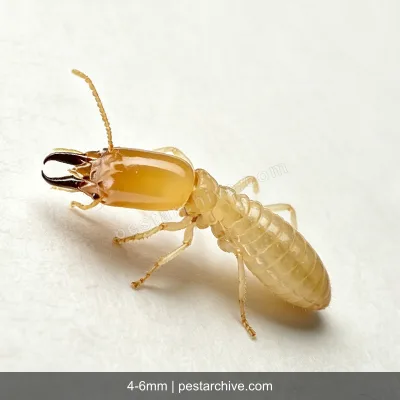
Gently pry open a small section of the mud tube with a screwdriver to see if white or light brown worker termites are active inside. If termites are present, the tube is active.
Step 2: Inject insecticide
Spray dinotefuran-containing household insecticide into the mud tube, or drill small holes in nearby wood and inject the liquid. Termites that contact the insecticide will carry it back to the nest, spreading it through colony contact.
Step 3: Do not seal immediately
After treatment, leave the mud tube undisturbed for now. Termites will continue to use this route, carrying the insecticide back to the nest and exposing more members to it.
Step 4: Observe and reapply
Check after 1-2 weeks. If termites are still active in the tube, the colony is large and requires another treatment. If the tube has dried out with no termite activity, the treatment has been effective.
Finally: clean and seal
After confirming termites are eliminated, scrape off the dried mud tubes and seal wall or wood gaps with sealant.