DIY Termite Treatment or Call a Pro?
What's the Difference Between Flying Ants and Termites?
Flying "ants" and termites are actually different castes of the same insect—those flying ones are the reproductive termites (also called alates or swarmers). A termite colony is huge (a mature nest can hold hundreds of thousands to over a million members), with workers making up the vast majority. Simply put, swarmers are the "adult stage" of termites—their only job is to fly out of the old nest, mate, and start a new colony.
Termite Social Structure
A mature termite colony has different castes:
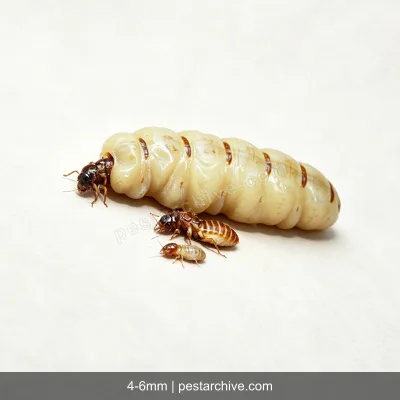
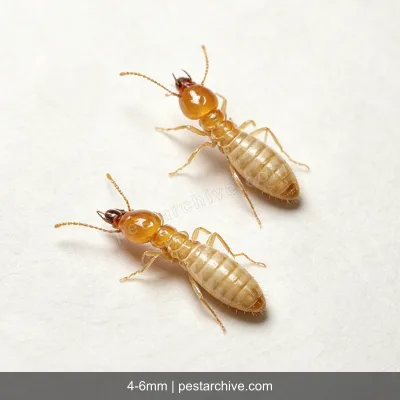
- Workers—The most numerous. They find food, build the nest, and feed the young. They're soft-bodied, pale white, and never expose themselves to open air.
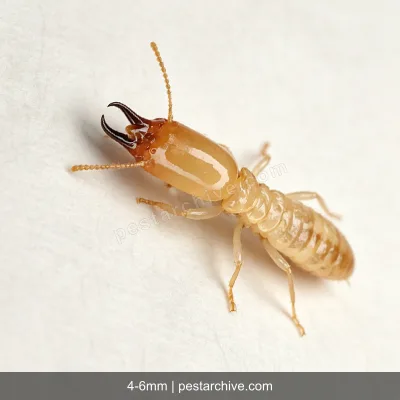
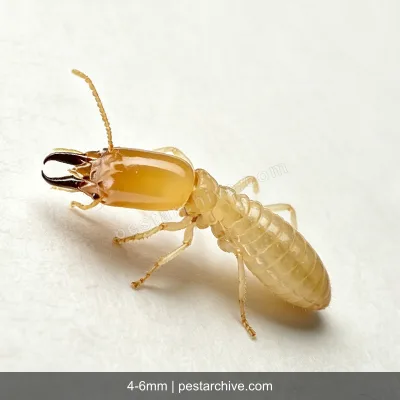
- Soldiers—They defend the colony. Large heads with powerful mandibles. Also soft-bodied and pale.
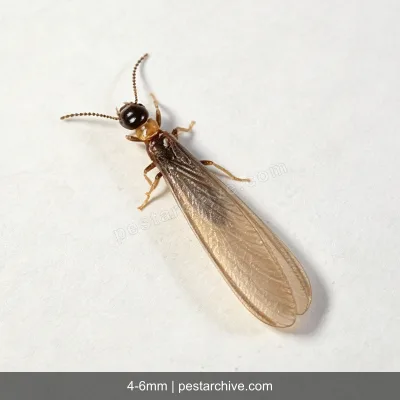
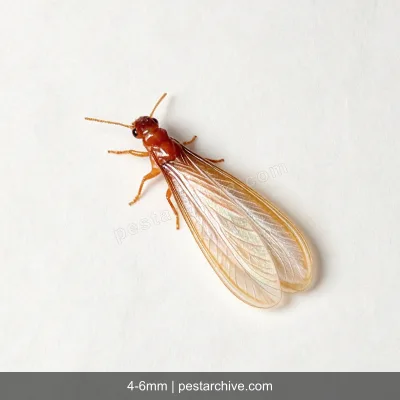
- Reproductives (swarmers / alates)—They have wings and are responsible for flying out of the old colony, mating, and founding new nests. This is the only winged, flying stage that looks ant-like.
The Nuptial Flight (Swarming)
Every year at the turn of spring and summer (usually April–July), when temperatures rise and humidity is high, a mature termite colony releases thousands of winged reproductives. This is commonly called "termite swarming" or the "nuptial flight." They fly out in swarms, find mates, pair up, shed their wings, and burrow into the ground to start a new termite kingdom. The scattered shed wings are an important clue that termites are nearby.
What It Means When You See Swarmers
The answer depends on where they came from:
If the swarmers emerged from inside your home's woodwork—from door frames, baseboards, or floor cracks—it means you already have a mature termite colony. They've been eating inside your house for years (it takes 3–5 years for a colony to start producing swarmers). This is an urgent situation.
If the swarmers flew in from outside—It means termites are in the surrounding area, but not necessarily in your home. Close windows and doors. Check indoors for shed wings—if there aren't any, you're likely fine. Place a bowl of water under a light; swarmers are drawn to light and will drown in the water.
How to Tell Termite Swarmers from Ant Swarmers
- Termite swarmers: front and back wings are equal in size, wings are translucent, body is white or light brown, thick waist (no pinch).
- Ant swarmers: front wings are larger than back wings, body is black or dark brown, clearly pinched waist.