How to Prevent Termites Before They Attack
How Much Damage Can Termites Cause?
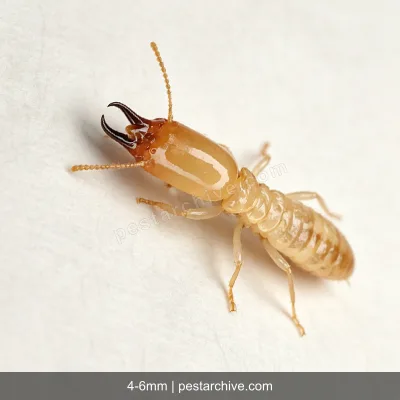
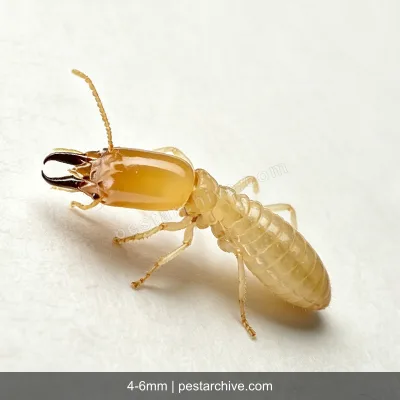
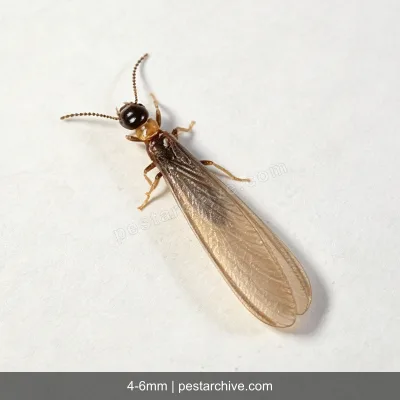
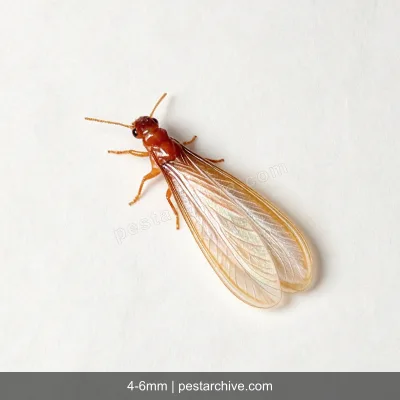
Termite damage to homes is severe. They're called "the toothless tiger" because they silently devour wood structures from the inside out. A mature colony (hundreds of thousands of workers) can consume 5–10 kg of wood per year. In just three to five years, they can completely hollow out a door frame or a stretch of baseboard.
Structural Damage
Termites eat wood from the inside. The surface looks fine, but underneath it's hollow. In severe cases, they reduce wood beams, flooring, door frames, and furniture to nothing but a thin paint shell. If load-bearing beams or posts are hollowed out, the structural integrity of your home is compromised—collapse is a real risk.
Hidden Destruction
What makes termites so dangerous is how well they hide. They start eating from inside the wood. From the outside, you might see only a tiny hole or a thin mud line, while the inside is riddled with tunnels. By the time most people notice, the damage is already significant.
Speed of Damage
A mature colony has hundreds of thousands of workers feeding on wood around the clock. A single termite eats very little, but the colony collectively can consume several kilograms of wood a year. Left untreated, an entire wood-frame house can be destroyed within a few years.
Enormous Economic Losses
Termite damage costs homeowners billions of dollars every year in structural repairs. Many older homes need their wood components completely replaced because of termite damage.
Act Immediately If You Find Termites
Termite damage to wood is continuous. The moment you find them, take action—the longer you wait, the worse the damage. Small, localized infestations can be treated on the spot. Large-scale damage means expensive replacement of wood structures.