What Does Termite Damage Look Like?
How to Tell If You Have Termites
You can't always spot termites by looking—they spend most of their time hidden inside wood. Check for these signs instead:
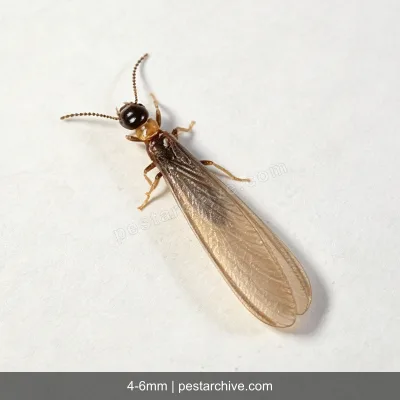
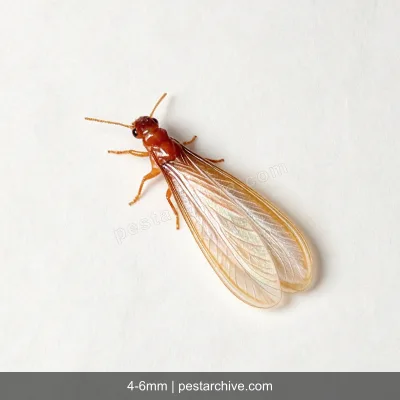
- Swarmers (Alates)
Every spring (April–July), if you see black or brown winged ant-like insects (about 7–10 mm including wings) flying out of door frames, floor cracks, or window sills, and then find shed wings scattered on the ground, those are termite swarmers. The discarded wings look like piles of transparent flakes—this is the most obvious sign of a termite infestation.
- Mud Tubes
Inspect door frames, baseboards, and wood flooring surfaces for narrow mud trails. Termites avoid light, so they build tunnels from soil, saliva, and droppings to travel in darkness. Mud tubes typically run along wall bases and wood joints, about 3–5 mm wide.
- Hollow Sound When Tapped
Tap wood door frames, floors, and baseboards lightly with a screwdriver or hard object. If it sounds hollow—like tapping on a cardboard box—the inside has been eaten out. Solid wood gives a crisp, firm sound.
- Discolored or Sunken Wood
Termite-damaged wood may show discoloration, blistering, or localized sinking on the surface. Press a screwdriver gently into a suspicious spot—if it sinks in easily, the wood is hollow inside.
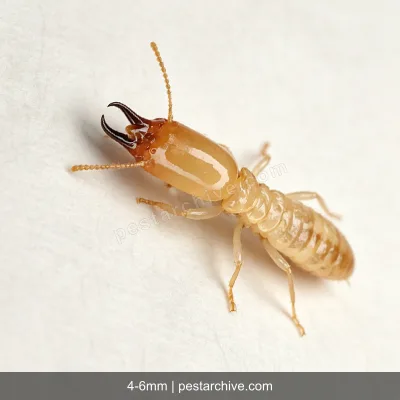
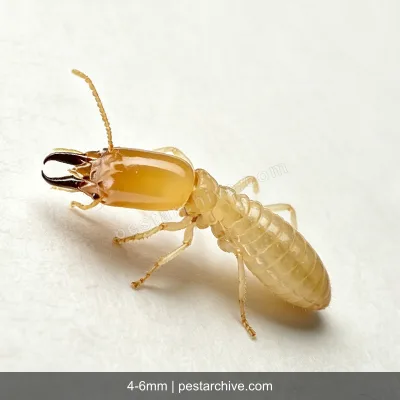
- Worker Termites Visible
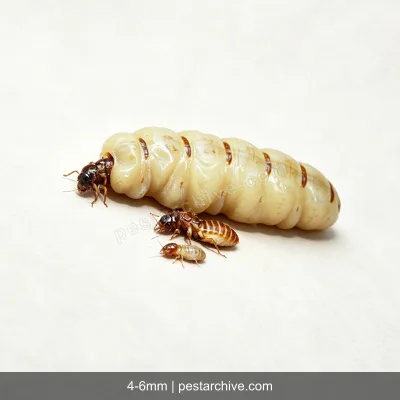
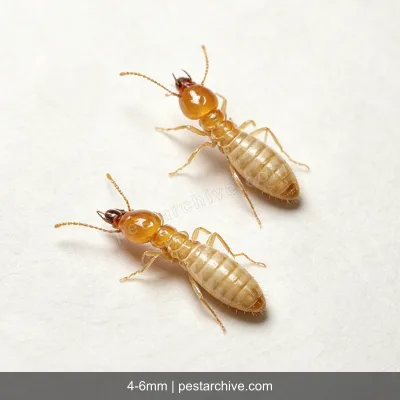
If you peel back the surface layer of damaged wood and see small white or pale brown insects moving around (workers), you almost certainly have an active infestation.
What to Do After Confirming Termites
Don't disturb them. Don't spray random chemicals. Contact a licensed pest control professional as soon as possible.