Can Termites Destroy a House?
How to Inspect Your Home for Termite Activity?
You don't need professional tools to check for termites. With a few key points in mind, you can do a thorough inspection yourself. Do a full check once a year in spring — it only takes 15–20 minutes.
Best Time to Inspect
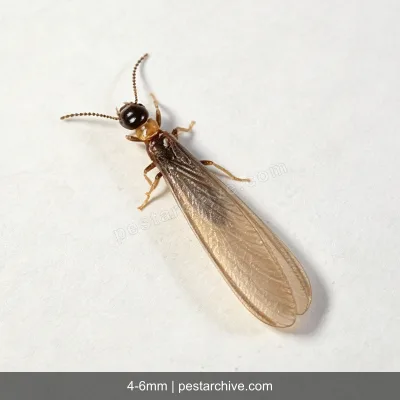
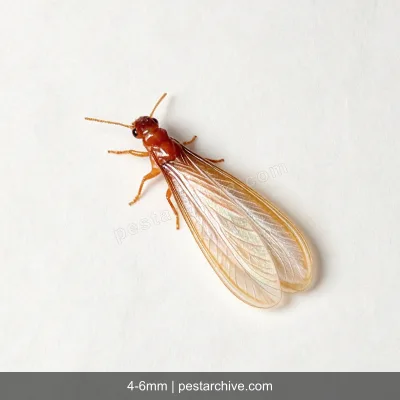
Spring (April–July) is termite swarming season. Warm, humid evenings after rain are the most likely time to spot swarmers, since termites prefer to fly when humidity is high and barometric pressure is low. Warmer weather also makes termites more active and easier to find.
Inspection Steps
- Look for discarded wings on the ground.
Check windowsills, floors, and corners for piles of translucent, paper-thin wings. Termite swarmers shed their wings after mating — this is a major red flag.
- Tap on wood and listen.
Use a screwdriver or something hard to tap on wooden door frames, baseboards, and hardwood floors. A solid, crisp sound means the wood is intact. A hollow sound means the inside may already be eaten out.
- Check for mud tubes.
Look at the bottom of door frames, along baseboard edges, and in floorboard seams for narrow dirt trails. Termites build mud tubes out of soil and saliva to travel while staying hidden from light — these are a classic sign of termite activity.
- Poke with a screwdriver.
Gently press a screwdriver into any suspicious wood. If it sinks in easily, or if breaking the surface reveals tunnels and live termites inside, you have an active infestation.
- Focus on damp areas.
Basements, bathrooms, and the area under kitchen sinks are prime termite territory. Inspect these zones carefully.
Inspection Toolkit
- Flashlight (to light up dark corners)
- Screwdriver (to probe wood)
- Small hammer (to tap and listen)
- Magnifying glass (to examine small holes and mud tubes)