Can dinotefuran-containing household insecticide spray control termites?
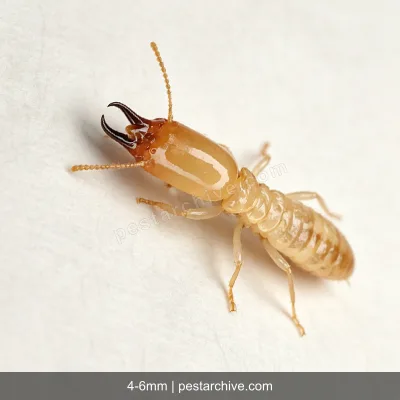
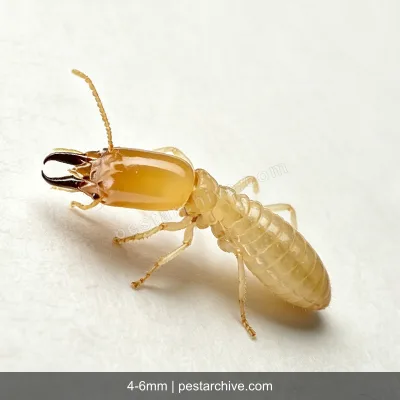
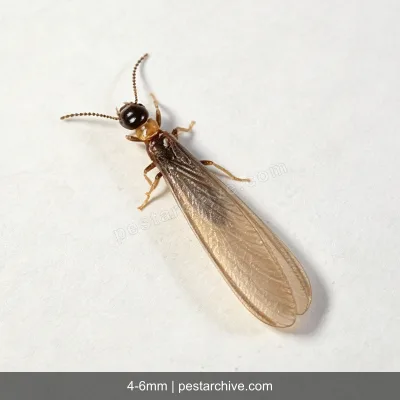
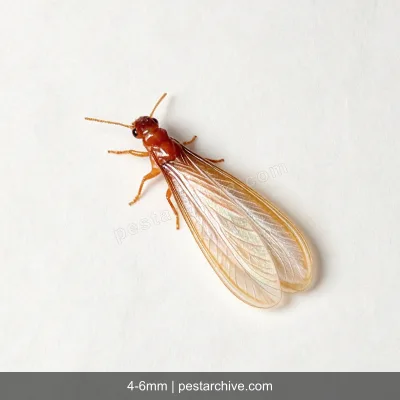
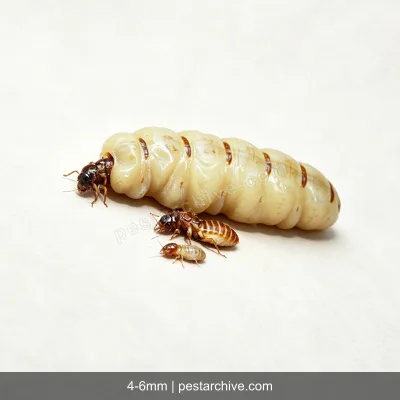
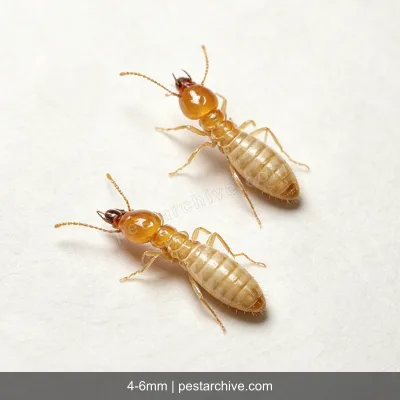
Can dinotefuran-containing household insecticide spray control termites? Sprays containing dinotefuran are highly effective against termites. Dinotefuran is a third-generation neonicotinoid insecticide with a different mode of action from traditional pyrethroids.
Advantages of dinotefuran-containing sprays
- Dual contact and stomach action — termites die from either contact with the insecticide or ingesting treated wood.
- Transfer effect — termites have grooming and trophallaxis (mutual feeding) habits; workers that contact the insecticide carry it back to the colony, spreading it to other members, including the queen and larvae.
- No repellency — unlike pyrethroids, dinotefuran does not repel termites; they do not avoid treated areas, ensuring the insecticide reaches them.
- Long residual effect — in dry indoor environments, the residue remains effective for about 2-4 weeks.
Correct application method
- Inject the insecticide into mud tubes, swarm holes, and drill holes (spaced 20-30 cm apart) in damaged wood. Termites moving through these areas will contact the insecticide and carry it back to the nest.
- Spray around wall bases and door frames to create a 10-15 cm wide residual barrier.
- Soil treatment: dig a shallow trench (5-10 cm deep) along the foundation and apply the insecticide to the soil.
Speed of action
Termites that contact dinotefuran residue typically die within 2-3 days. Through the transfer effect, most colony members can be affected within 1-2 weeks.
Precautions
For established large colonies, multiple treatments are needed. One treatment is unlikely to eliminate the entire colony. Check every 1-2 weeks and reapply if termite activity is seen. If the colony is large or in a hard-to-reach location, call a professional termite company.