How to Prevent Household Pests in Summer
Here's how to tell if a bug is actually a pest:
- Does it bite people?
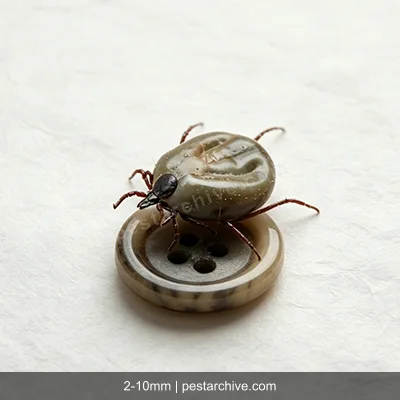
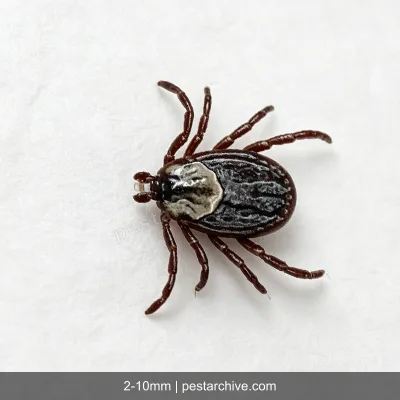
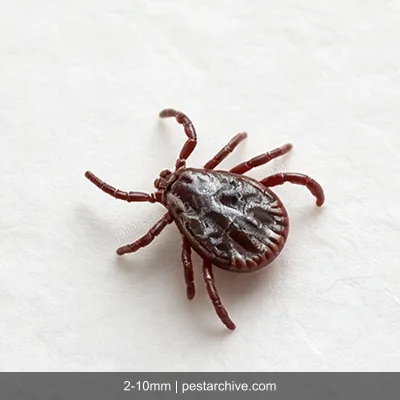
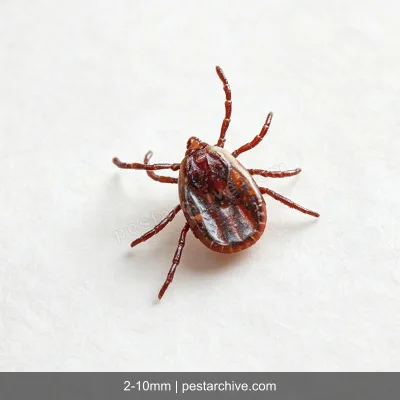
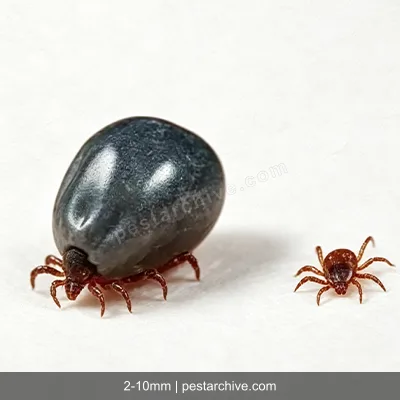
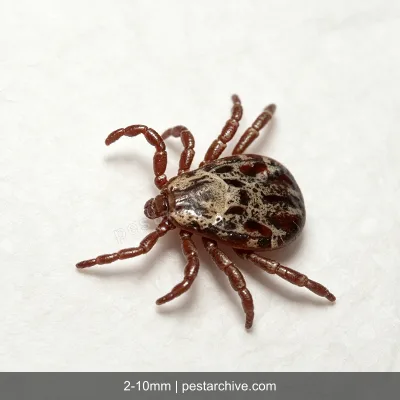
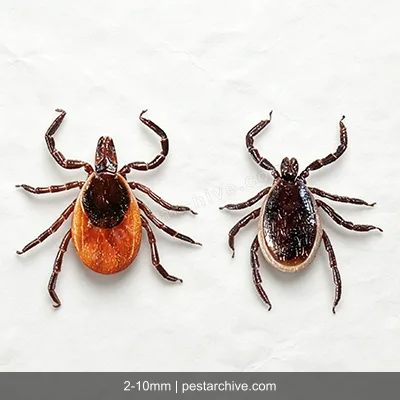
Fleas, bed bugs, mosquitoes, and ticks bite humans for blood, causing itching, welts, and sometimes disease transmission. If a bug bites you and your skin reacts, you're almost certainly dealing with a pest.
- Does it contaminate food?
Cockroaches, ants, flies, and rice weevils crawl or breed in food, leaving behind bacteria and droppings. If you find bugs in your food — or traces of them — they are pests.
- Does it damage your belongings?
Termites chew through wooden furniture and structural timber (termites are among the most destructive structural pests a home can face). Silverfish and clothes moths eat clothing and books. Powderpost beetles bore into wood floors and furniture. Small holes and fine sawdust-like frass are telltale signs.
- Does it spread disease?
Mosquitoes transmit dengue fever, malaria, and Japanese encephalitis. Ticks spread Lyme disease and tick-borne encephalitis. Flies carry dysentery, typhoid, and other gastrointestinal diseases. Cockroaches harbor numerous pathogens and can trigger allergies and asthma.
- Does it multiply to the point of disrupting daily life?
Some bugs don't directly threaten your health, but when they show up in large numbers — like drain flies and springtails swarming a bathroom — they make your living space uncomfortable. That still qualifies them as pests worth managing.