Can dinotefuran-containing household insecticide spray kill bethylid wasps?
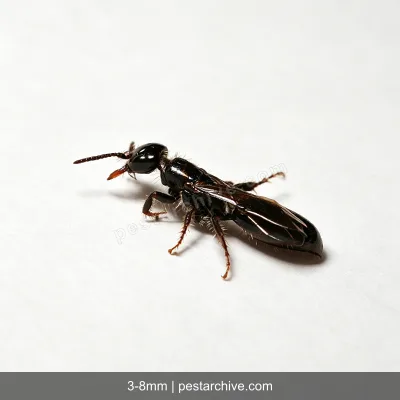
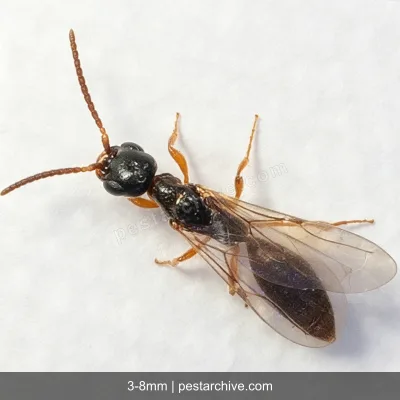
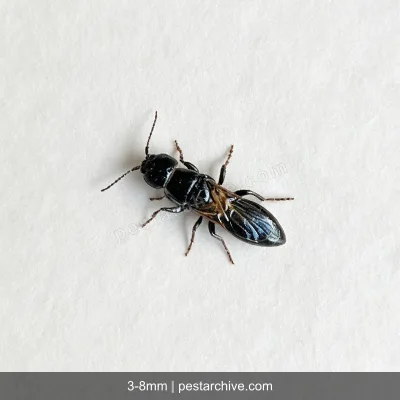
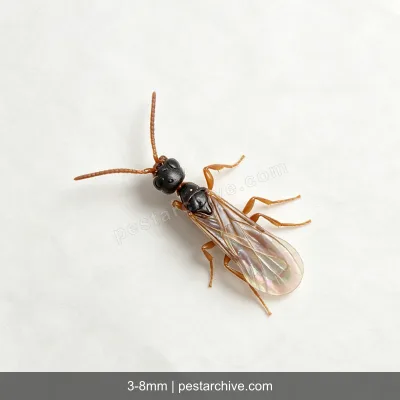
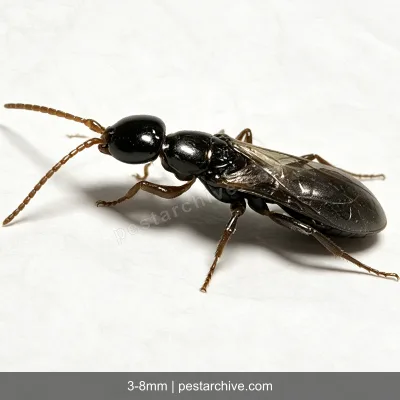
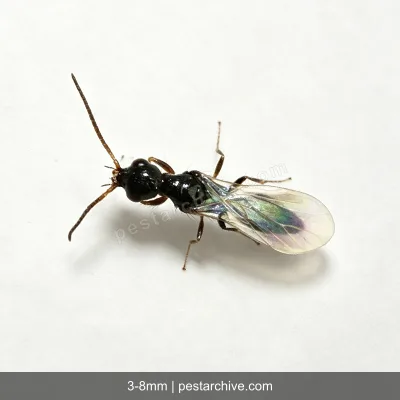
Can dinotefuran-containing household insecticide spray kill bethylid wasps? Dinotefuran spray is effective against bethylid wasps. Wasps are insects and are sensitive to dinotefuran's contact action; they die upon contact with the film.
Mode of action
When bethylid wasps contact the spray film through their legs and abdomen, dinotefuran penetrates through the body wall, acts on the nervous system, blocks nerve signal transmission, and causes paralysis and death. Effects are usually seen within hours of contact.
Application method
- Door and window frame spraying — spray dinotefuran-containing household insecticide around windows and door frames to form a protective barrier; wasps that fly in die on contact.
- Wall spraying — spray walls, baseboards, and corners where wasps frequently appear.
- Wooden item surfaces — apply a light spray to the surface of wooden furniture suspected of having borers; it forms a film once dry.
- Borehole injection — if borers are confirmed in wood, inject dinotefuran into the boreholes with a syringe to kill the borers and eliminate the wasps' host source.
- Direct spraying — spray the wasps directly when seen to kill them quickly.
Residual duration and precautions
- The film remains effective for about 2-4 weeks.
- Keep the treated area dry after spraying; avoid wiping off the film.
- Before treating wooden items, test on an inconspicuous area to ensure no surface damage.
Integrated control
Spraying alone is only a temporary solution. The best approach is: first, inspect and treat infested wooden items (cutting off the host source), then spray around doors and windows to form a barrier. Only by combining insecticide with source management can the problem be completely resolved.