How to find a bethylid wasp nest?
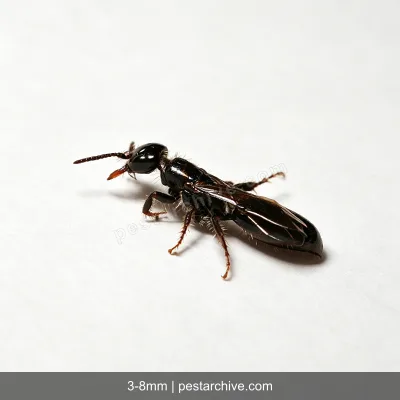
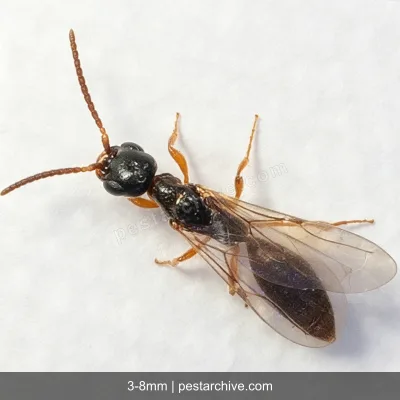
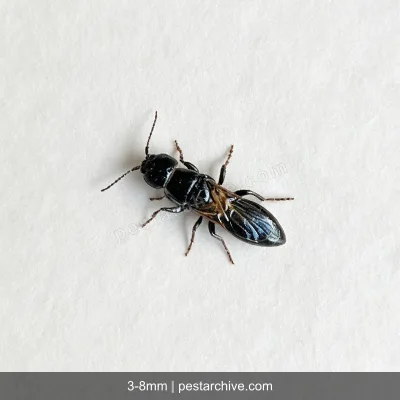
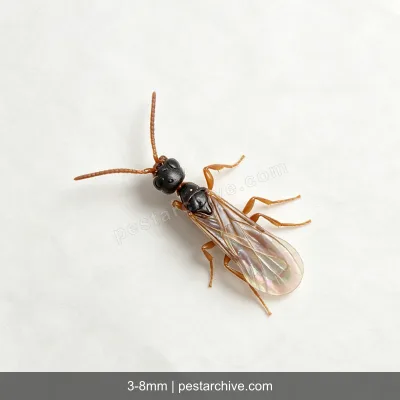
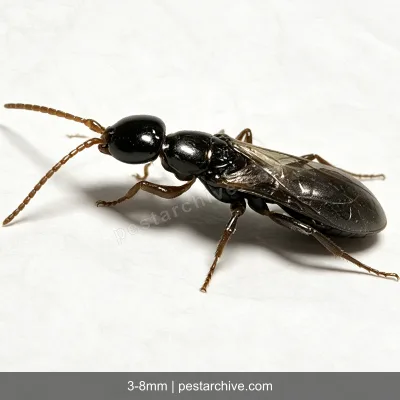
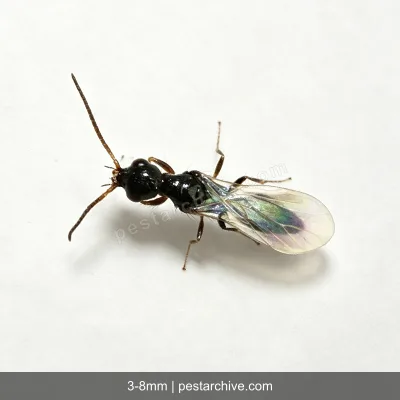
How to find a bethylid wasp nest?
Bethylid wasps do not actually build nests; they are parasitic wasps. Their so-called "nest" is the tunnel of the host borer. Finding the source requires following their activity patterns.
Bethylid wasp activity characteristics
- Bethylid wasps do not build nests indoors; they do not have nest structures like bees or hornets.
- Wherever they appear, there is a parasitized wood-boring insect host nearby.
- Wasps repeatedly travel between the parasitized site and light sources.
How to find them
- Observe flight paths — where the wasps fly from and to; follow the trail to the source.
- Check wooden items — focus on old wooden furniture, beams, door frames, and baseboards; look for pin-sized round holes.
- Look for wood shavings — borers produce fine wood shavings when feeding; fresh shavings at hole openings indicate active borers.
- Listen — in a quiet environment, put your ear close to the wood; sometimes you can hear a faint gnawing sound.
Common hiding places
- Back panels and bottoms of old wooden cabinets.
- Floor gaps near walls.
- Door and window frame joints.
- Stored firewood and lumber.
- Wood strips left over from renovation.
What to do after finding them
- Small wooden items can be discarded or sun-dried.
- Use a syringe to inject dinotefuran-containing household insecticide into boreholes to kill the borers.
- Seal borehole surfaces with putty or glue.
- If the infestation is extensive, hire a professional pest control company.