Roaches Keep Coming from the Drain? How to Fix It for Good When You Can't Find the Source
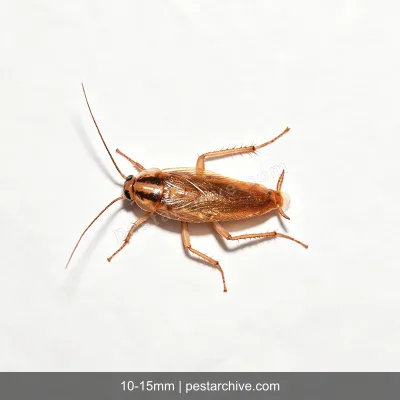
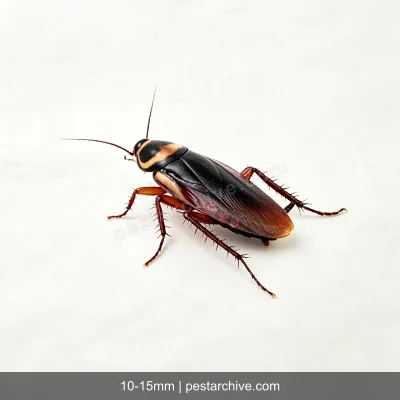
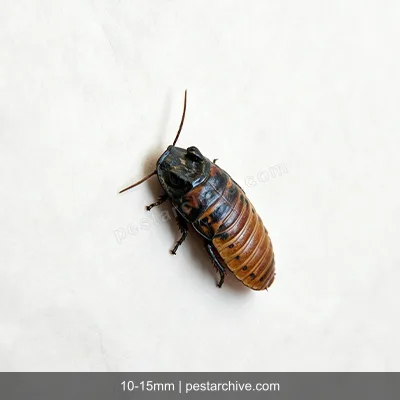
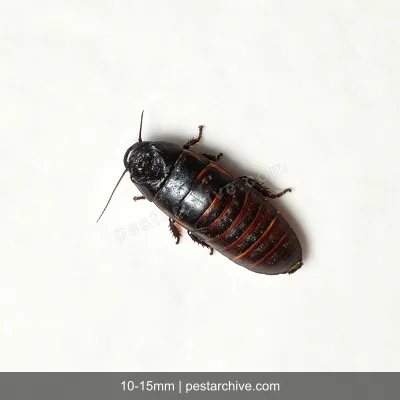
Are Your Roaches Coming from the Drain? 4 Signs to Check
Before you start, confirm whether the drain is the roaches' entry route. The more of these signs you see, the more likely the pipes are the source:
- Roaches always show up under the kitchen sink or near bathroom floor drains – not in upper cabinets or bedrooms
- At night, opening the sink cabinet reveals roaches gathered around the drain pipe, especially where there are water droplets
- Roaches return within two weeks of cleaning, always near pipes
- Neighbors have roach problems too – especially on the same floor or above/below – meaning the pipe system connects the whole building
Assess your situation:
First time seeing them: Probably a single roach that wandered in through the pipes. Sealing pipe gaps should solve it.
They keep coming back: There's a roach highway or even a nest inside or around the pipes. You need a full check of all drain openings and pipe penetrations through walls.
Multiple rooms: Roaches have established routes through the pipe system to several rooms. You'll need to check and seal room by room – it's not just one drain.
Tool List for Tracing Drain Roaches
- Bright flashlight – to see into pipe depths and dark corners
- Phone or small mirror – to check behind pipes and blind spots
- Silicone sealant (neutral cure, mold-resistant) – 1-2 tubes for gap sealing
- Stainless steel scrubbers or fine mesh wire (40-mesh or finer) – to plug larger pipe gaps
- Pest-proof drain inserts (silicone or magnetic) – one for each drain, to replace old ones
- P-trap with pest-proof design – if existing pipes lack a trap, install one
- Utility knife or scraper – to remove old sealant
- Rubber gloves
- Old toothbrush or pipe brush – 1-2 for cleaning inside the pipe mouth
- Hot soapy water – for flushing drains and pipe mouths
Drain Roach Fix – Step by Step: Check and Seal in Order
Step 1: Check All Drain Openings and Pipe Penetrations (about 30 minutes)
Use a flashlight to go through every drain in your home. Check these spots:
- Kitchen sink drain pipe: Check if the hole where the pipe goes through the cabinet is properly sealed, and if there are gaps around the pipe wall
- Bathroom vanity drain pipe: Same check at the cabinet penetration
- Bathroom floor drain: Remove the cover, shine the flashlight inside – look for roaches or droppings (tiny black specks). Smell for sewer odor – that means the P-trap is dry or missing, so roaches can crawl right up
- Shower drain: Same check – is the drain insert intact?
- Washing machine drain connection: Where the machine's drain hose meets the floor drain or wall pipe – often has gaps
- AC condensate drain penetration: Where the AC drain line goes through the exterior wall – often has large gaps around the hole
- Floor drain behind the toilet: If you have one, check if it's sealed
Use a mirror or phone to take photos behind pipes and in blind spots. Mark every gap or unsealed spot you find.
Step 2: Seal Everything, One Spot at a Time (about 40 minutes)
Following your checklist, seal each gap:
Pipe penetrations (through cabinets or walls): Scrape off old sealant with a utility knife and clean the surface. For openings larger than 5mm in diameter, stuff with steel scrubber or 40-mesh wire mesh first, then cover with silicone sealant. For gaps under 5mm, just fill with sealant.
Floor drains: If the drain insert is old or not pest-proof, replace it with a silicone or magnetic self-closing insert. These close automatically when not draining – roaches can't get through. Check that the seal ring between the insert and the drain body is tight – if loose, run a bead of sealant around it.
P-traps: A P-trap uses water to block roaches and sewer gas. If any drain lacks a trap (common in older homes), install one. For drains you don't use often, pour a cup of water down them each week to keep the trap full. A dry trap is a wide-open door for roaches.
Washing machine drain connection: After inserting the drain hose into the standpipe or floor drain, seal the opening around the hose with a rubber seal ring or silicone – leaving only the hose itself, so roaches can't crawl out through the gap.
Step 3: Clean Pipe Walls and Maintain (daily habit)
Sealing cuts off the route, but there may already be roach egg cases or droppings inside the pipes. Every 2-3 days, before bed:
- Pour half a kettle of hot soapy water (around 140°F/60°C – not boiling) down each drain to flush pipe walls
- Use an old toothbrush or pipe brush dipped in hot soapy water to scrub the drain cover and the first 4 inches of the pipe mouth
- Wipe dry the area around the drain
After the last use of the kitchen sink each night, flush the drain pipe with hot water for 30+ seconds to wash away grease and food residue on pipe walls. Roaches survive in pipes mainly because there's grease and debris to eat. Starve them out.
Step 4: Wait 3 Weeks – Only Then Consider Baits
After completing the steps above, wait 3 weeks. Drain roaches take longer to clear than cabinet roaches because the pipe system is more complex.
If you don't see roaches for 3 weeks, sealing worked – the pipe route is cut off.
If you still see roaches after 3 weeks (especially around pipes at night), there may be a nest deeper in the pipes or an opening you missed. At that point:
- Re-check everything, paying special attention to washing machine drains, AC condensate lines, water heater drains – easy-to-miss spots
- Use gel bait at the drain insert and pipe penetration points – but don't put bait inside the pipe itself (water will wash it away). Only apply at external gaps
- If multiple rooms are still affected, roaches may be using the pipe system as a building-wide highway. Contact building management to coordinate whole-building or whole-unit pipe pest-proofing
When to call a pro: If you've checked every visible pipe connection and still can't solve it, you may need a camera inspection to check for cracks or damage inside the pipes (roaches can enter through cracks into walls and emerge elsewhere). This is beyond DIY – call a licensed pest control company or pipe inspection specialist.
How Long Until You See Results? What Counts as Failure?
Days 1-3: You might see fewer roaches the same night you seal. But there could still be roaches inside the pipes – seeing 1-2 is normal, they're already in there looking for a way out.
Week 1: Roach numbers should drop noticeably. If you replaced the drain inserts and sealed gaps properly, new roaches can't get in, and the old ones will gradually die or leave from lack of food and water.
Week 3: The make-or-break point. If you're still seeing roaches consistently at a specific spot (like next to a certain floor drain) after 3 weeks, that spot has a leak in the seal, or roaches found an alternate route. Sprinkle a non-toxic tracking powder or flour near suspected entry points – check the next day for roach tracks to pinpoint the actual entry.
A drain roach specific failure mode: Neighbors upstairs or downstairs have a heavy roach problem, and they're coming through shared waste pipes or vents. In this case, sealing just your own pipes isn't enough – you need to check where shared utility shafts penetrate your walls (may require building management cooperation).
What NOT to Do When Dealing with Drain Roaches
- Don't pour insecticide down the drain: It gets diluted by water to ineffective concentrations, doesn't kill roaches, and pollutes the wastewater system. Some ingredients are highly toxic to aquatic life.
- Don't repeatedly pour boiling water down pipes: Boiling water can damage PVC pipes and sealant, causing leaks and seal failure. And it cools quickly in pipes – its actual effect on roaches is minimal.
- Don't block drains completely to keep roaches out: Sealing a drain with plastic or tape means water can't drain, leading to backups and bigger hygiene problems. The right approach is a self-closing pest-proof insert – it lets water through and closes automatically.
- Don't seal your unit and ignore your neighbors: In apartment buildings, pipe systems are connected. If only you seal, roaches will come from neighboring units. Talk to your neighbors – at least let them know there's an issue.
- Don't let P-traps dry out: A dry trap on an unused drain (like a balcony drain or guest bathroom) is an open door. Pour a cup of water down unused drains every week to maintain the seal.
Long-Term Pipe Roach Maintenance Plan
7-day maintenance: Check all drain inserts to make sure they close properly. Pour a cup of water down unused drains to keep P-traps full. Flush the kitchen sink with hot water for 30 seconds at night.
15-day maintenance: Flush all drains and pipe mouths with hot soapy water. Check sealant at pipe penetrations for cracks or peeling.
30-day maintenance: Use a flashlight to check all drain openings and pipe penetrations. Look for new roach droppings or egg cases. Check drain insert seals for aging and replace if needed.
Drain Roach Check & Seal Checklist
- Did you use a flashlight to check every drain (kitchen, bathroom, balcony)?
- Did you seal every pipe penetration through cabinets or walls?
- Did you replace all floor drain inserts with pest-proof ones? Are P-traps full of water?
- Did you seal the washing machine drain hose connection?
- Did you seal the AC condensate drain penetration?
- Do you add water to unused drains weekly to maintain P-trap seals?
- Do you flush the kitchen sink with hot water for 30 seconds every night?
- Have you gone 3 weeks without seeing roaches near drains?
Drain Roach FAQs
Why are there still roaches after I sealed the floor drain?
Three possible reasons: 1) The drain insert doesn't seal tightly – check if the silicone or magnetic flap is warped or aged. 2) Roaches are coming from another unsealed drain (washing machine, vanity overflow, etc.). 3) Roaches aren't coming from the drain at all – they're from window gaps, wall cracks, or brought in with packages. Re-check every possible entry point.
What if my old building has a serious drain roach problem?
Old buildings often have cast iron pipes – rough interior walls that hold grease and give roaches plenty of traction. Plus more joints, more access points, and more gaps. Solution: Install pest-proof inserts on every individual drain opening, seal all pipe penetrations with silicone, and make sure access panels to shared utility shafts are sealed. If the whole building is affected, team up with neighbors to ask building management for a coordinated pipe cleaning and pest-proofing.
Silicone or magnetic drain inserts – which is better?
They work differently: Silicone inserts use water weight to open the flap, which closes when dry. Magnetic inserts use magnets to close a flap. Silicone is simpler, more durable, and seals tighter. Magnetic drains faster. For roach prevention, silicone inserts seal better – choose those. Either way, check regularly for warping or aging, and replace every 6-12 months.
* * * 3. Ants