Why is finding one cockroach a sign that there are many more hidden?
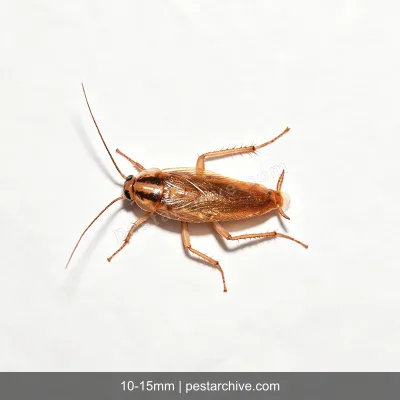
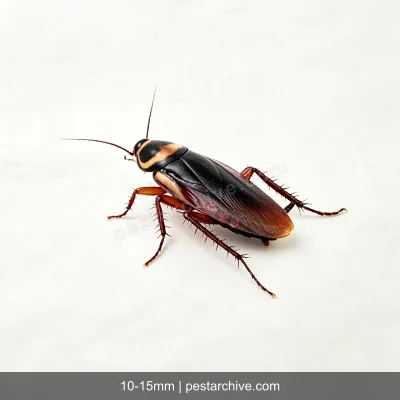
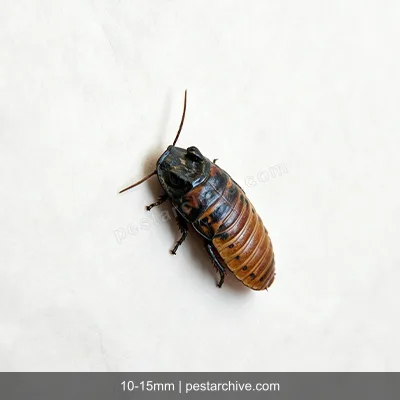
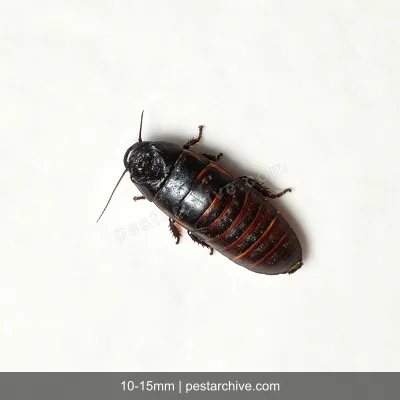
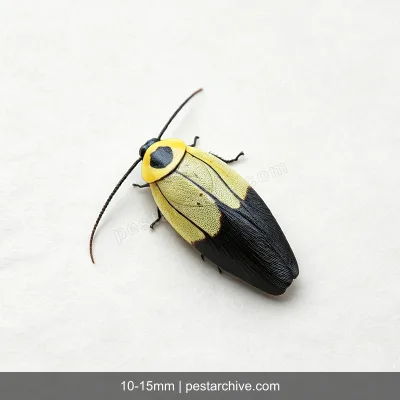
The short answer: Cockroaches are social, nocturnal, and reclusive. When you see one in daylight, it usually means their hiding space is overcrowded or they are desperate for food/water. A single female German cockroach produces an egg case with 20–40 nymphs that hatch in about 28 days. So one visible roach almost certainly indicates a nest nearby, potentially dozens or hundreds.
- How to confirm it’s a cockroach
- German cockroach: 1–1.5 cm, light brown with two dark stripes on the pronotum (behind the head).
- American cockroach: 3–4 cm, reddish-brown, with a yellowish margin on the pronotum; larger and often enters from drains.
- Both have long antennae, six legs, and are flattened, they scuttle quickly when disturbed.
- You may also find egg cases (oothecae), small, brown, purse-shaped capsules, about 5–8 mm long, glued to surfaces.
- Why they hide and when they come out
Cockroaches are negatively phototactic, they avoid light. During the day they hide in wall voids, behind appliances, in cabinet hinges, and inside electronics. They emerge at night to forage. A daytime sighting is abnormal, it often means the population has grown so large that competition forces some to venture out.
- Where to look for the nest
Check these common hiding places:
- Behind the refrigerator (warm motor area).
- Under the kitchen sink (moisture and food crumbs).
- Inside cabinet crevices, especially around hinges and corners.
- Under the stove and behind the oven.
- In bathroom vanity cabinets and around pipe penetrations.
Use a flashlight and look for dark, greasy smears (faecal spots) and egg cases, these confirm an active nest.
- Immediate steps: what to do now
- At night, after turning off the lights, go into the kitchen with a torch, you’ll see them scatter. Follow them to locate the main hiding spot.
- Apply dinotefuran residual spray along baseboards, under furniture, and around the identified nest area. The spray dries to a film that kills on contact and remains effective for 2–4 weeks.
- Clean thoroughly, remove all food residues, wipe counters, and take out trash. Fix any leaks, cockroaches need water daily.
- Set gel baits (boric acid or fipronil-based), they are attracted to the gel, consume it, and carry it back to the nest, killing others through secondary poisoning.
- Why a single sighting means an infestation
- Each egg case yields 20–40 nymphs, in optimal conditions (warm, humid, with food), a single pair can produce thousands in a year.
- Cockroaches leave aggregation pheromones in their droppings, these attract more roaches to the same spot.
- They reproduce continuously, a female German cockroach produces 4–6 egg cases in her lifetime.
- The nest may be hidden in a wall, you see only a tiny fraction of the total population.
- Long-term prevention
- Store all food in sealed containers.
- Take out trash daily, use a bin with a lid.
- Fix leaky pipes and reduce humidity with exhaust fans.
- Seal cracks around pipes, baseboards, and window frames with caulk or expanding foam.
- Inspect grocery bags and second-hand items for hitchhikers.
- When to call a professional
If after two rounds of treatment (each spaced 2 weeks apart) you still see live roaches, or if the infestation is widespread across multiple rooms, it’s time to call a licensed pest control operator. They have access to stronger products and can treat wall voids effectively.
Mini FAQ
Q: Can I get rid of cockroaches with just a spray?
A: No, spray kills visible ones but doesn’t reach the nest. Use baits and environmental control together.
Q: Are cockroaches dangerous?
A: They carry pathogens and can trigger allergies/asthma, especially in children.
Q: How do I know if my treatment is working?
A: You should see fewer roaches over 2 weeks. If numbers don’t drop, reassess your bait placement and sealing.
Your action list
- Locate the nest at night with a torch.
- Apply dinotefuran spray along edges and behind appliances.
- Set gel baits in kitchen cabinets and near nest.
- Clean all food and water sources.
- Seal entry cracks.
- Repeat treatment after 2 weeks.
- If severe, call a pro.