Where Do Cockroaches Like to Hide?
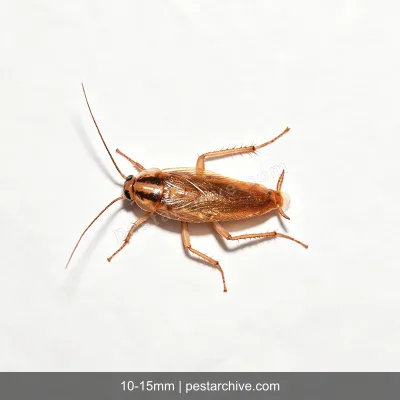
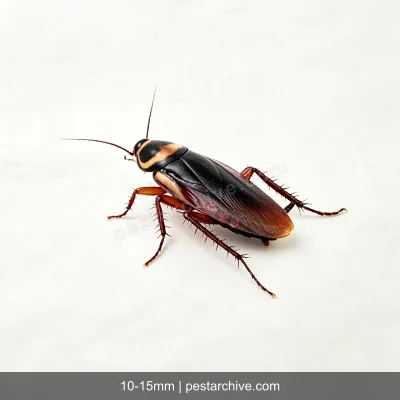
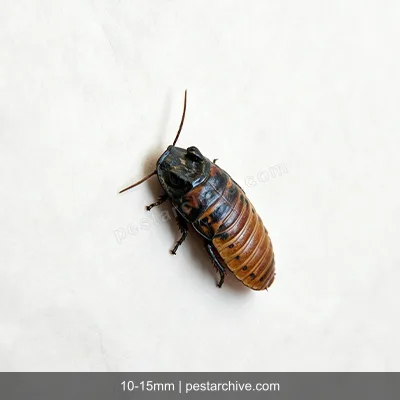
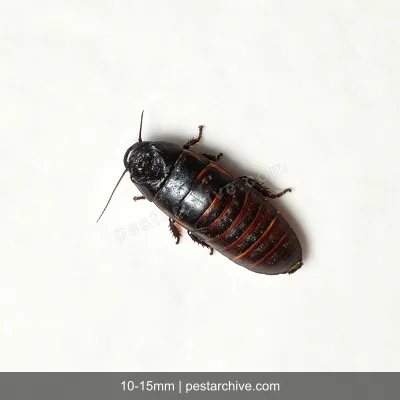
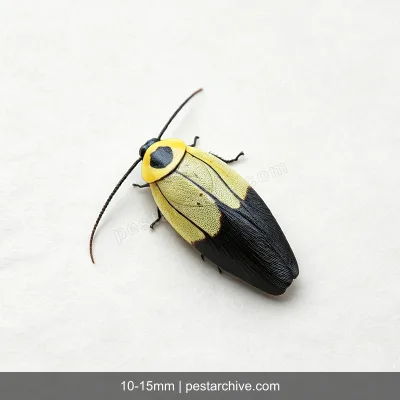
Real scene: You've seen cockroaches scatter every night for several nights when you turn on the kitchen light. But you've searched all the cabinets and drawers and haven't found their nest. Cockroaches don't stay in open areas during the day. They hide deep in gaps you can't see or reach: the warm space behind appliances, the narrow gap between the cabinet floor and the wall, and openings around sink pipes. You need to know exactly where they prefer to hide so you can target your efforts.
Quick answer: Cockroaches choose hiding spots based on four criteria: dark, warm, damp, and close to food and water. Use these criteria to check area by area, from kitchen to bathroom: next to the fridge compressor, under the sink cabinet, gaps between the stove and counter, behind the water heater, and inside the vanity cabinet. Don't forget inside electronics. Microwaves, routers, and set-top boxes generate heat when running, and the constant warmth is very attractive to cockroaches.
How they choose hiding spots
Cockroaches are photophobic (avoid light). They always hide in dark places during the day. Their bodies are extremely flat. A German cockroach can squeeze into a gap only 1.5 mm high. Any narrow gap you can see but can't reach with your hand can be a nest to them. They also like to cluster. Cockroach droppings contain aggregation pheromones that tell other cockroaches there's a safe hiding spot. That's why they always cluster in fixed locations called aggregation sites.
Kitchen: Number one hotspot
- Next to and under the fridge compressor: The compressor generates heat while running, making the area 5 to 10 degrees C warmer than room temperature. The constant warmth and hidden space make this a favorite aggregation site. Pull open the kickplate at the bottom of the fridge. You'll likely find cockroach droppings (dark powder or small granular spots).
- Under the sink cabinet and around pipe penetrations: Damp, with a water source, and possibly food debris. Often, the pipe opening through the wall isn't sealed, so cockroaches crawl in along the pipes from the wall cavity.
- Gaps between the stove and countertop: Cooking grease and food debris accumulate here. Combined with the warmth around the stove, it's an ideal feeding-and-hiding combination.
- Cabinet hinge recesses and the inner corners of cabinet doors: Small spaces, but big enough for several cockroaches to squeeze in during the day.
Bathroom
- Behind the water heater: Similar warm environment to the fridge compressor, plus high humidity. Cockroaches don't have to go far for water.
- Inside the vanity cabinet: Condensation from pipes provides water. If there's a gap in the cabinet floor to the wall, cockroaches may come in from the wall cavity.
- Gaps around the toilet base: Damp and hidden.
- Floor drains: Large cockroaches (American cockroaches) can come up from the sewer system through dried-out drain traps. If a drain hasn't had water run through it in a long time, the water seal dries out, effectively opening a path from the sewer.
Inside electronics (often overlooked)
Cockroaches like to crawl into appliances that generate heat while running: inside the microwave housing, under routers and set-top boxes, behind coffee makers, and behind ovens. These places are warm, dark, and undisturbed. If you notice a switch or button on an appliance becoming unresponsive, it's sometimes because cockroach droppings have built up on the circuit board, causing a bad connection.
Other high-frequency areas
- Gaps between baseboards and the floor.
- Inside electrical and breaker panels.
- Under and in the folds of sofas (if people eat in the living room).
- Stacked cardboard boxes and delivery packages. Cockroaches like the texture and gaps of cardboard, and cardboard absorbs moisture.
Inspection techniques
You don't need to see live bugs to tell if a gap has cockroaches. Shine a flashlight at an angle into the gap and look for dark, irregular small spots. That's cockroach droppings. The spots concentrate where the aggregation site is. You can also place sticky cockroach traps near suspected areas overnight and check the catch count in the morning for a rough estimate of population density.
Common mistakes
- Mistake 1: Only looking for cockroach nests in the kitchen. Fact: Cockroaches can hide in the bathroom, living room, and even bedrooms, in appliances and gaps. Where there's food and water, there can be cockroaches.
- Mistake 2: Not seeing cockroaches during the day means they're not there. Fact: A small population is only active at night and is completely hidden in deep gaps during the day. Turn off the lights for an hour, then go in with a flashlight at night. You'll see the real activity.